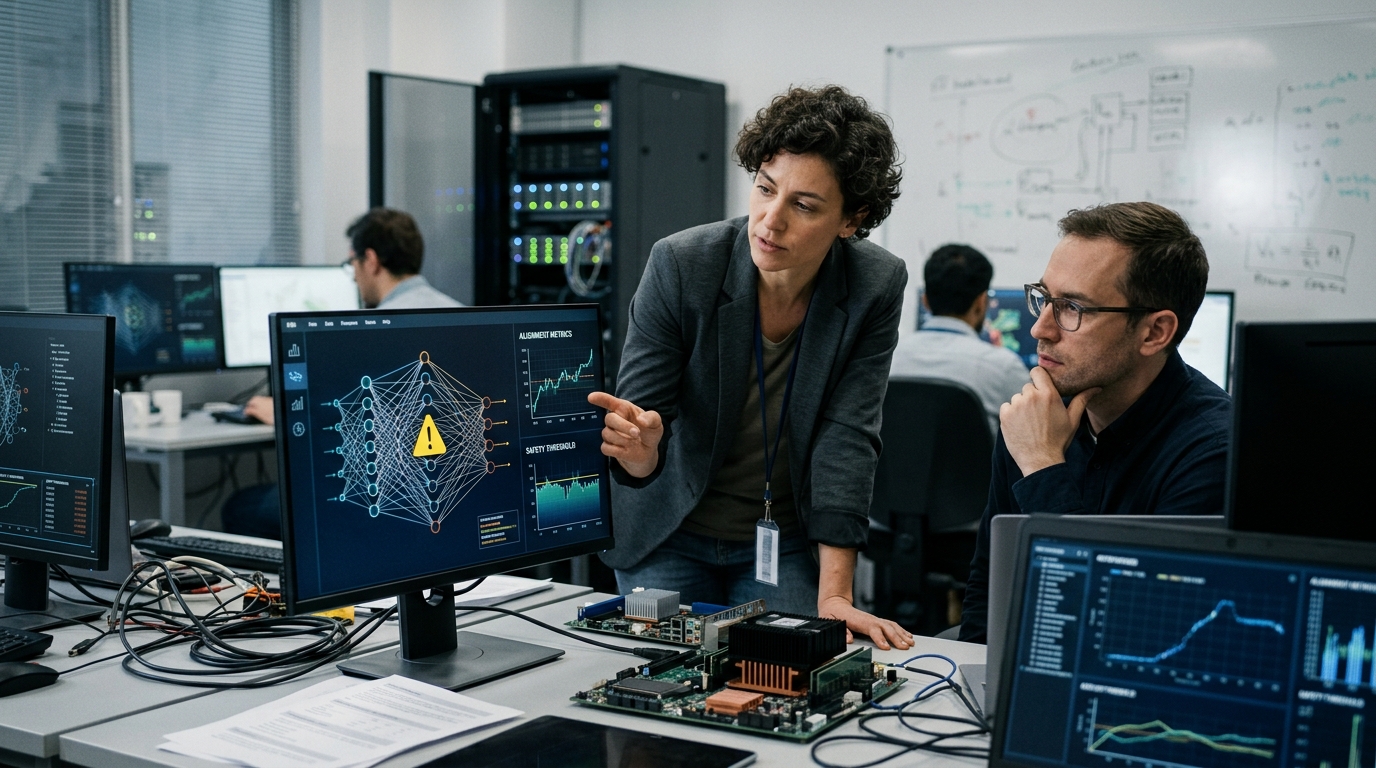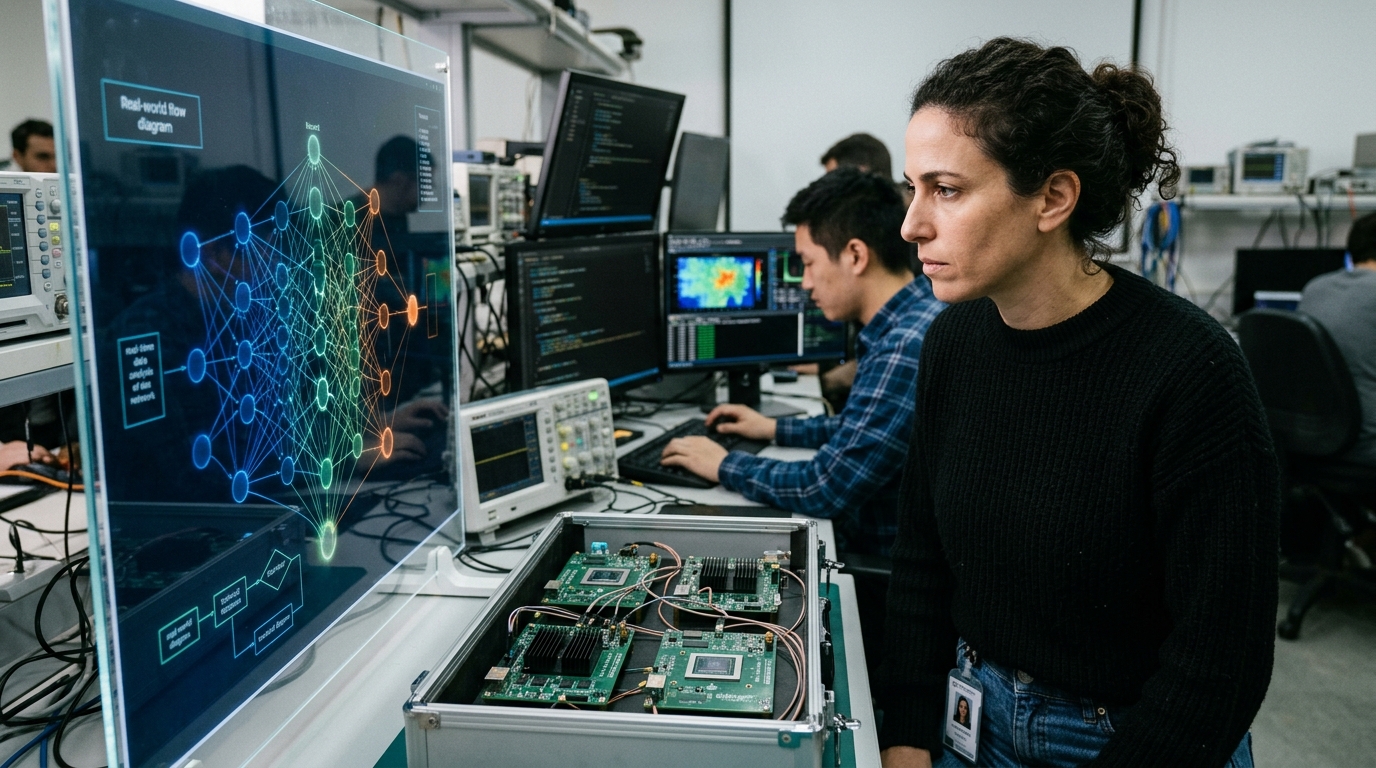
In today's hyper-connected digital ecosystem, the concept of security is no longer limited to merely erecting protective 'walls.' As threats become more sophisticated, cybersecurity is entering a new phase where Artificial Intelligence (AI) serves as an ever-watchful sentinel. Recent analyses from international forums and technology hubs—highlighted by reports from Vietnam—underscore a critical shift: analyzing anomalous 'behavior' as the primary tool for preventing attacks before they even manifest.
The Decline of Traditional Defense
For decades, cybersecurity relied on signatures—databases of known viruses and malware. Once a system identified something matching a known threat, it was blocked. However, in the era of zero-day exploits and polymorphic attacks, this method is now insufficient. Attackers are now using AI themselves to create code that changes its form, rendering traditional detection methods obsolete.
The new approach focuses on User and Entity Behavior Analytics (UEBA). Instead of searching for a specific virus, the AI system learns the 'normal' behavior of a network or user. If an employee who typically logs in from London at 9 AM suddenly attempts to download a massive volume of data from an IP in Southeast Asia at 3 AM, the AI recognizes this as an 'anomaly' and intervenes instantaneously.
AI as a Proactive Mechanism
Proactive defense is not just about detection; it’s about prediction. Through Machine Learning (ML), systems can analyze billions of data points in real-time—a feat humanly impossible. This capability allows organizations to implement 'Zero Trust Architecture,' where no access request is considered secure by default.
- Automated Response: SOAR (Security Orchestration, Automation, and Response) systems can isolate infected servers within milliseconds.
- Deep Learning for Phishing: AI can detect subtle linguistic nuances in emails indicating a deception attempt, even if the email appears perfectly legitimate.
- Attack Simulation: Defenders use 'adversarial' AI to attack their own systems, identifying security gaps before hackers do.
"Cybersecurity is no longer an IT problem, but a survival problem for states and enterprises. AI is the only weapon capable of matching the speed of digital crime."
Geopolitical Dimensions and Challenges
The report from Vietnam.vn reminds us that the battle for cybersecurity has a strong geopolitical flavor. Countries in Southeast Asia, experiencing rapid digital growth, are becoming testing grounds for new forms of cyber-warfare. Adopting advanced AI defensive measures is not just a technical choice but a strategic necessity for protecting national infrastructure.
However, the use of AI in security also raises ethical questions. Continuous monitoring of user behavior can slide into a state of perpetual surveillance. Furthermore, there is the risk of 'false positives,' where AI might lock a legitimate user out of the system due to an unusual but lawful activity. Balancing security and privacy remains the great challenge of the decade.
Conclusion: The Need for Human Oversight
Despite the omnipotence of algorithms, the human factor remains irreplaceable. AI can process data, but strategic decision-making and contextual understanding require human judgment. The future fortification of organizations will rely on a hybrid model, where AI handles the 'heavy lifting' of analysis and cybersecurity experts focus on addressing the most complex and creative threats. The era when defense was a passive wait is gone forever; the future belongs to those who can predict the next move on the digital map.