In the feverish race for Artificial Intelligence (AI) supremacy, public attention is usually captured by sophisticated algorithms and the raw processing power of GPUs. However, a much warmer reality is unfolding behind the scenes of global data centers. AI infrastructure cooling has evolved from a mere maintenance necessity into a strategic imperative that dictates the success or failure of entire digital ecosystems. As highlighted in recent analysis from ASUS, the transition from traditional air cooling to advanced liquid cooling solutions is no longer optional—it is a prerequisite for the survival of the infrastructure supporting the AI era.
The Thermal Wall and Semiconductor Physics
The meteoric rise of AI chips, such as NVIDIA’s H100 and the newer Blackwell series, has triggered an unprecedented surge in Thermal Design Power (TDP). Just a few years ago, a standard server required a few hundred watts; today’s AI processing units can reach or exceed 700W to 1000W per chip. When these components are stacked into high-density racks, the heat generated is sufficient to melt components if not dissipated instantaneously.
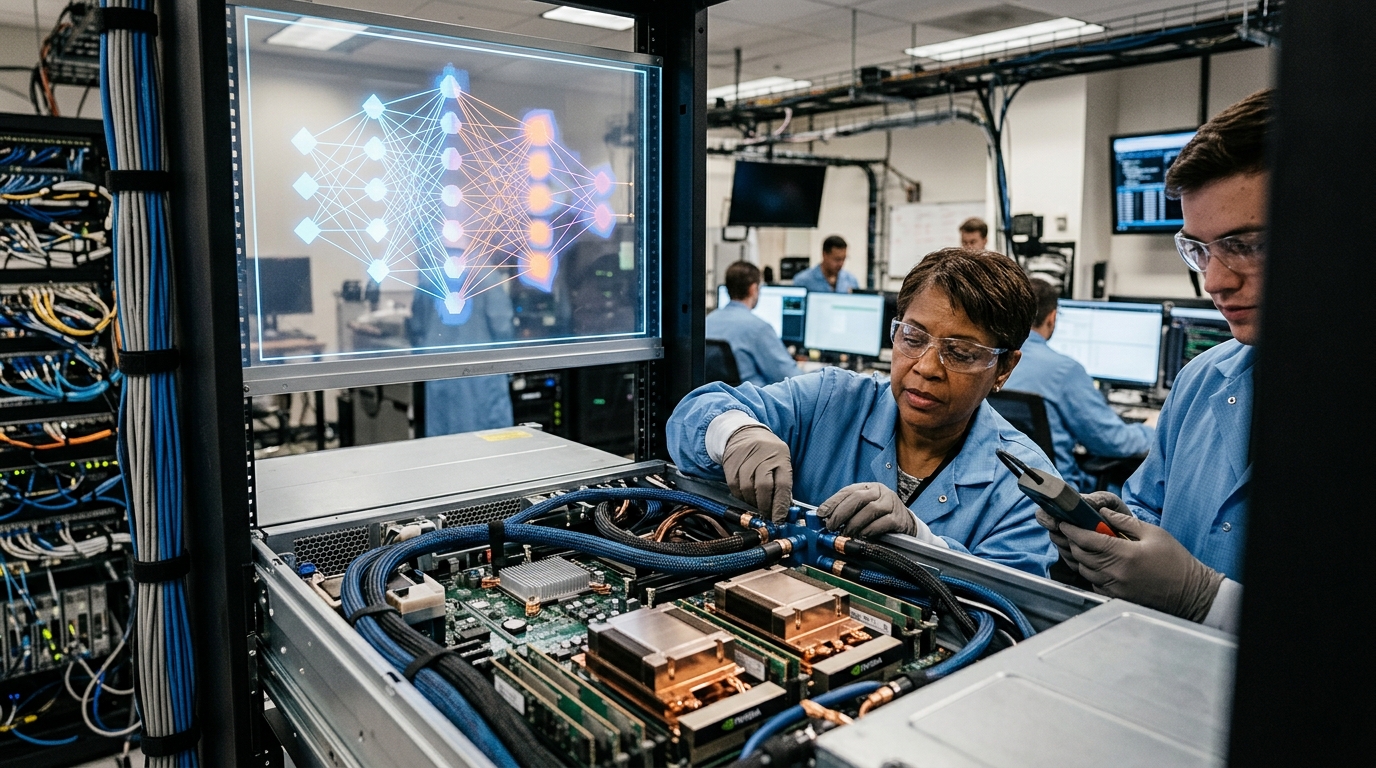
Traditional air cooling, which relies on massive fans and HVAC systems, is hitting its physical limits. Air is a poor thermal conductor compared to liquids. To cool a modern AI cluster using air, the energy required is so immense that the Power Usage Effectiveness (PUE) — the metric measuring how much energy a data center uses beyond pure compute — spikes to unsustainable levels. The strategic move toward liquid cooling (either Direct-to-Chip or Immersion) allows for far more efficient heat removal, slashing operational costs and enabling much higher power density within the same physical footprint.
Economic and Environmental Stakes
Cooling often accounts for up to 40% of a traditional data center’s total energy consumption. In a world where energy prices are volatile and ESG (Environmental, Social, and Governance) regulations are tightening, cooling efficiency translates directly into bottom-line profitability. Companies investing in intelligent cooling infrastructures, such as those pioneered by ASUS, can reduce their carbon footprint while simultaneously extending the lifespan of their multi-million dollar hardware investments.
- Energy Efficiency: Liquid cooling can drive PUE levels down from 1.5 to as low as 1.1, saving millions in electricity costs annually.
- Hardware Reliability: Consistent temperatures prevent thermal throttling, ensuring that GPUs operate at peak performance without interruption.
- Spatial Optimization: Liquid cooling allows for tighter rack spacing, reducing the physical footprint and construction costs of new data centers.
The Geopolitics of Cooling and the Way Forward
The strategic importance of cooling also extends to geography. Many nations are currently competing to host the next generation of AI data centers. However, regions with warmer climates face significant hurdles. The adoption of closed-loop liquid cooling technologies enables these centers to operate efficiently even in high-ambient-temperature environments, without the excessive water consumption typically associated with evaporative cooling towers.
"Cooling is no longer a passive support system; it is the heart that allows the AI brain to function without self-destructing," industry analysts observe.
In conclusion, as AI becomes woven into every fabric of the global economy, our ability to manage heat will determine the pace of innovation. Companies like ASUS are no longer just selling servers; they are providing comprehensive thermal ecosystems. The future of AI is liquid, efficient, and, above all, strategically cool. The invisible battle for thermal management is where the next decade of tech leadership will be won.