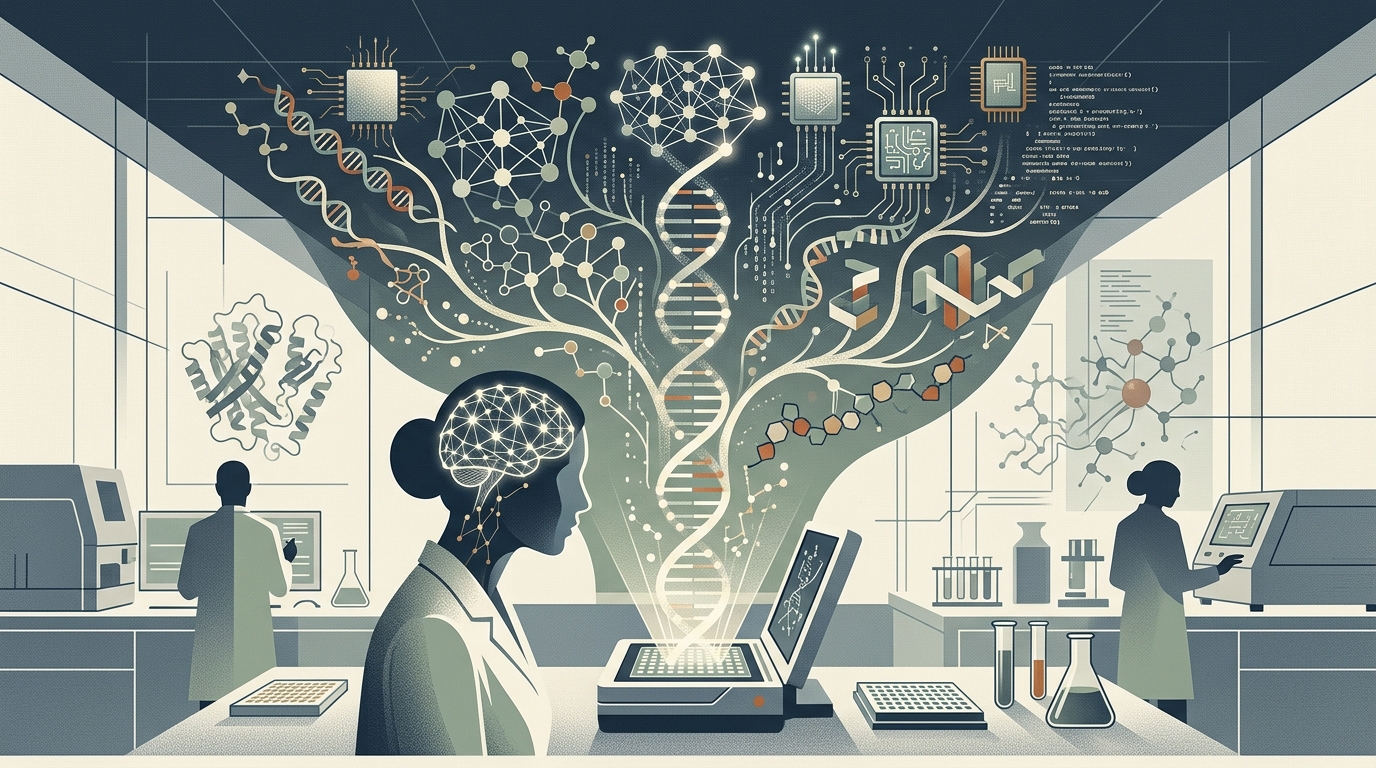
In an era where the global medical community faces the mounting threat of antimicrobial resistance, the recognition of Dr. Cesar de la Fuente’s work by the American Society for Biochemistry and Molecular Biology (ASBMB) marks a pivotal moment. De la Fuente, a professor at the University of Pennsylvania, is more than a biochemist; he is the architect of a new paradigm that marries computational power with molecular biology to combat the "superbugs" threatening to return us to a pre-antibiotic age.
This honor highlights a fundamental shift in the scientific landscape: drug discovery no longer relies solely on serendipity or exhaustive traditional laboratory trials. Instead, it depends on the ability of algorithms to "read" the code of life and predict which molecular structures can neutralize pathogens with surgical precision.
The Digital Renaissance of Antibiotic Research
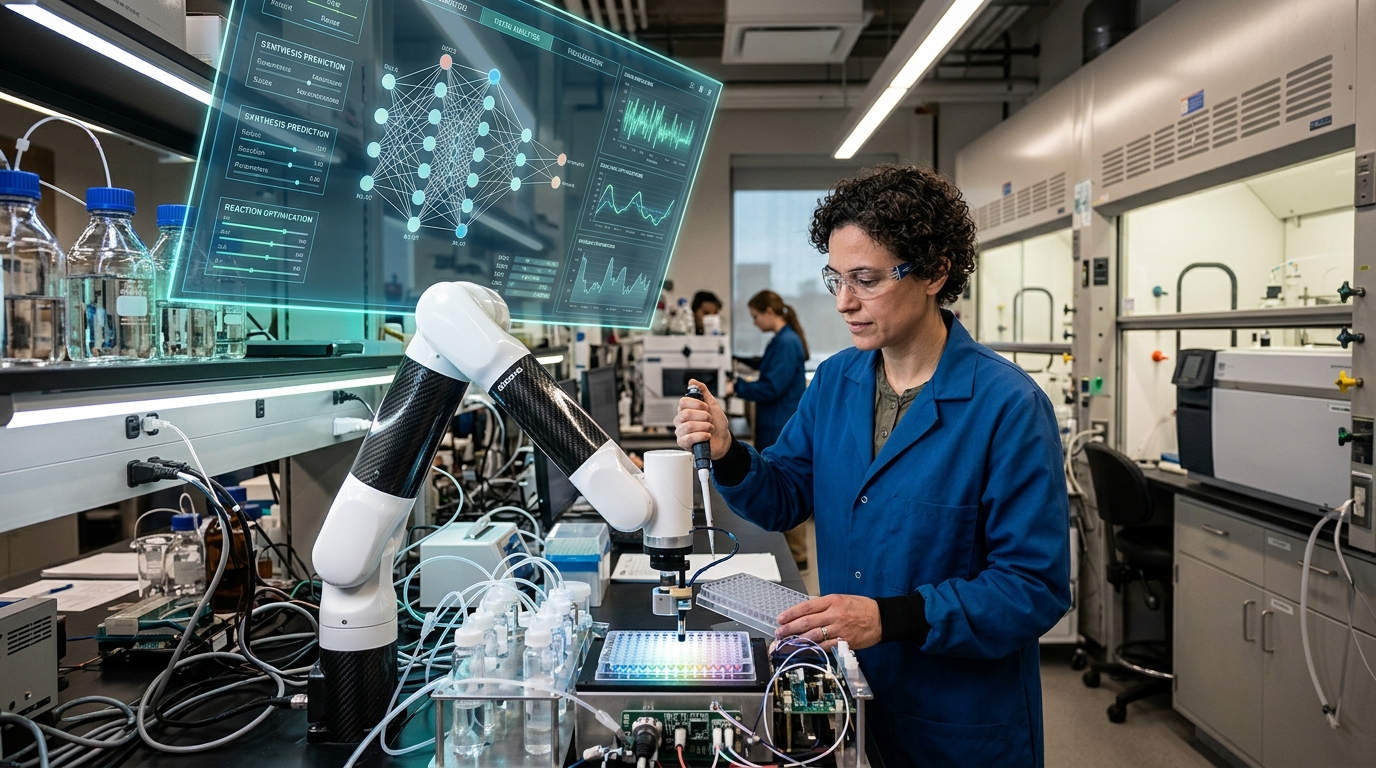
For decades, the antibiotic industry has been stagnant. The costs of research and development were disproportionately high compared to potential returns, leading many pharmaceutical giants to abandon the field entirely. De la Fuente, however, saw Artificial Intelligence as the solution to this economic and scientific deadlock. By utilizing machine learning models, his laboratory has managed to shrink the timeline for discovering new drug candidates from years to mere weeks.
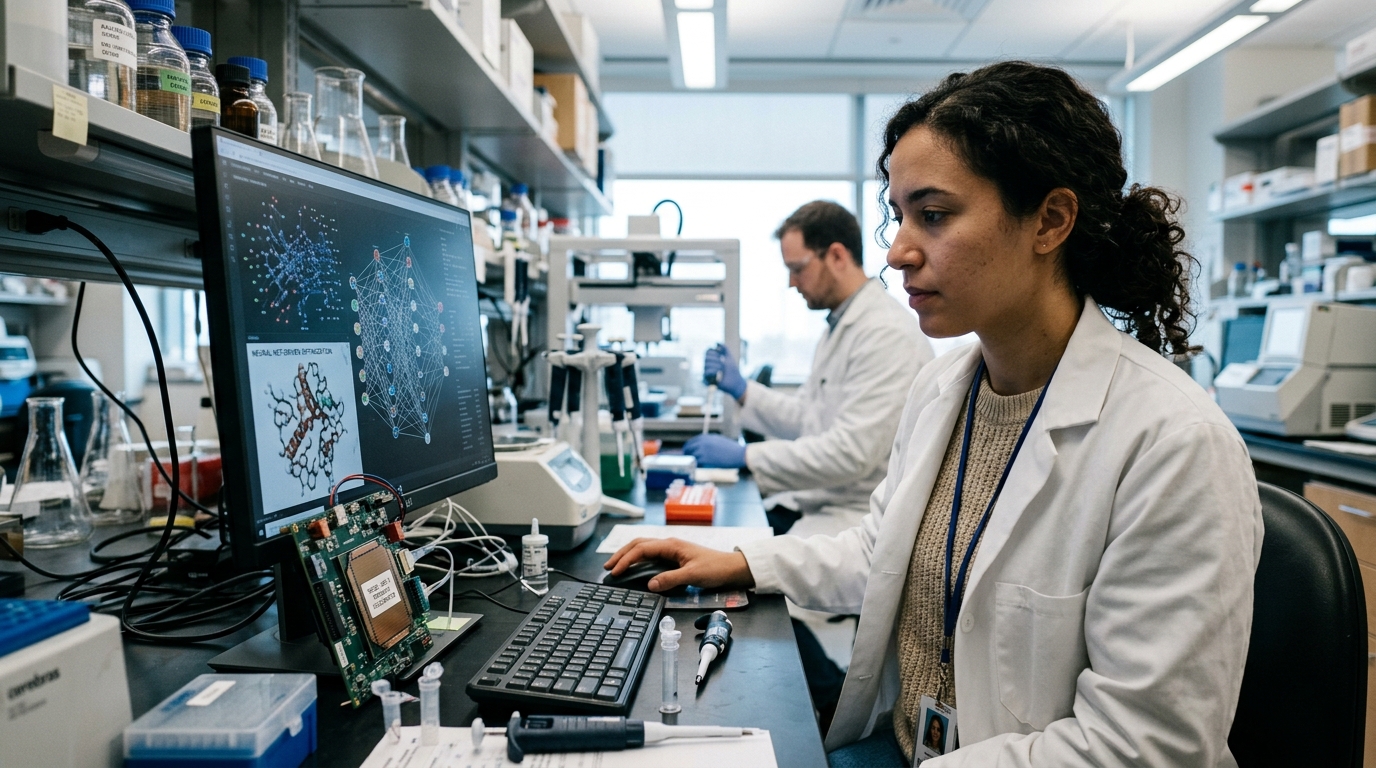
His approach is rooted in training algorithms on massive databases of protein sequences. These models identify patterns invisible to the human eye, designing synthetic peptides with potent antimicrobial properties. The significance of this work cannot be overstated, as it is estimated that by 2050, infections from resistant microbes could cause 10 million deaths annually if new treatments are not secured.
Molecular De-extinction: Mining the Past for Medicine
One of the most captivating aspects of de la Fuente’s research, which caught the ASBMB’s attention, is the concept of "molecular de-extinction." His team used AI to analyze the genomes of extinct species, such as Neanderthals and woolly mammoths, searching for antimicrobial molecules that no longer exist in the modern world.
- Analyzing ancient DNA to identify lost defense mechanisms.
- Synthesizing these molecules in the lab for testing against modern bacteria.
- Proving that evolutionary history can provide solutions for future survival.
This method is not just scientifically poetic; it is practically groundbreaking. By retrieving molecules from the past, scientists can find structures to which modern bacteria have not yet developed resistance, giving humanity a strategic advantage in the perpetual "arms race" against microorganisms.
From Computer Screens to Clinical Practice
Despite the breathtaking progress, the primary challenge remains the transition from digital prediction to clinical reality. The ASBMB award recognizes exactly this effort to bridge two disparate worlds. De la Fuente has successfully demonstrated that AI-designed molecules are effective in animal models, paving the way for human clinical trials.
"Artificial Intelligence allows us to explore the chemical universe at a speed that was unthinkable a decade ago. We are no longer searching blindly; we have a digital map," de la Fuente notes.
This recognition also serves as a clarion call for a new generation of scientists. 21st-century biochemistry demands proficiency in programming and data science as much as in wet-lab chemistry. De la Fuente embodies the "hybrid" scientist necessary to solve humanity's most complex biological puzzles.
In conclusion, the honoring of Cesar de la Fuente by the ASBMB is not merely a personal achievement. It is a validation of Artificial Intelligence as an indispensable tool in the arsenal of modern medicine. As we move through 2026 and beyond, our ability to fuse biological insight with algorithmic innovation will define our resilience against emerging health threats.