The pharmaceutical industry is at a critical juncture where the traditional trial-and-error methodology is yielding to computational precision. Boehringer Ingelheim’s recent announcement regarding the establishment of a new Artificial Intelligence (AI) hub in the heart of London is more than a mere corporate expansion; it is a strategic manifesto for the future of biomedical innovation. London, specifically the renowned "Knowledge Quarter" around King’s Cross, is becoming the epicenter of this revolution, hosting the elite of global technology and science.
London’s Strategic Allure and the Innovation Ecosystem
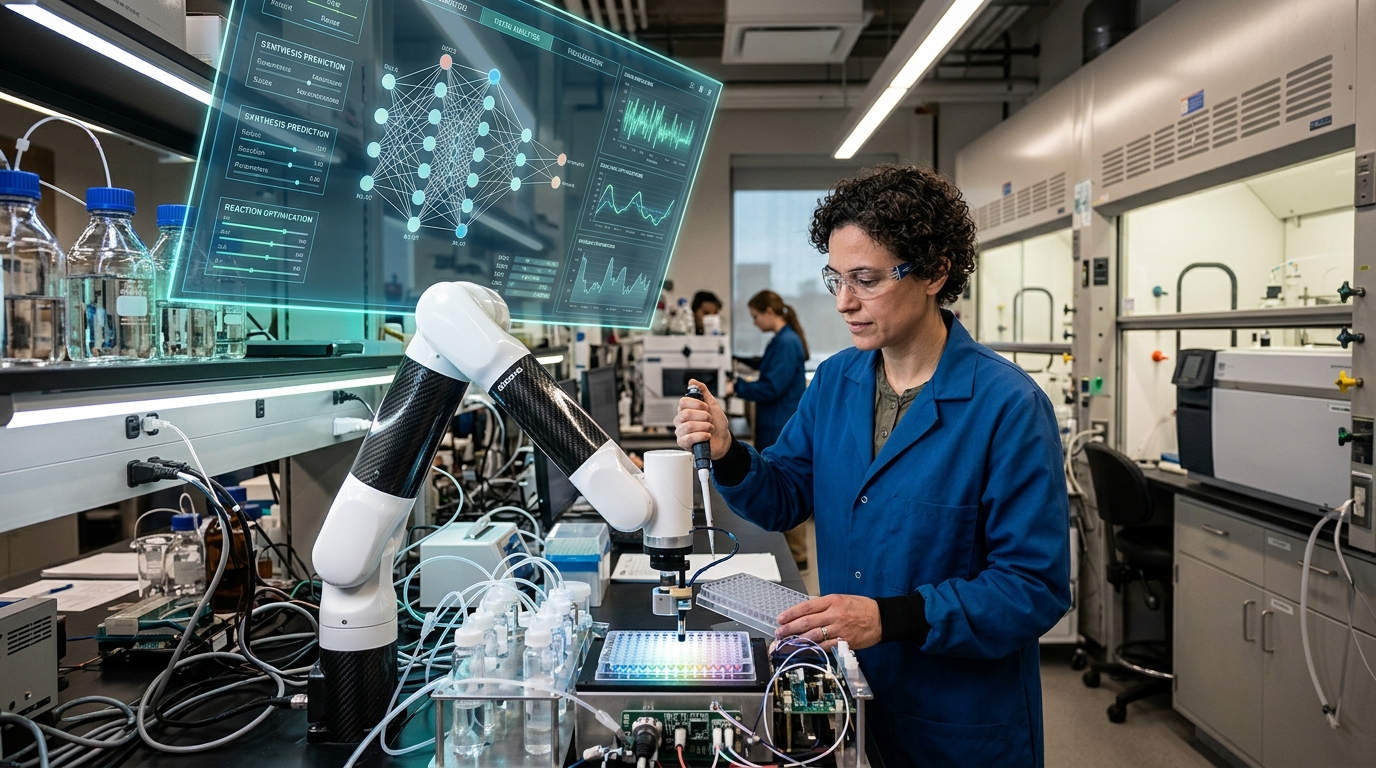
The German pharmaceutical giant’s decision to choose the British capital is far from accidental. Despite the logistical and political headwinds of Brexit, London remains Europe’s undisputed leader in Artificial Intelligence. The proximity to world-class academic institutions like University College London (UCL) and Imperial College, alongside the presence of titans like Google DeepMind, creates a unique ecosystem for the cross-pollination of knowledge and talent. Boehringer Ingelheim’s new hub will focus on leveraging Generative AI and Large Language Models (LLMs) to parse vast oceans of scientific literature and data—a task that previously demanded decades of human labor.
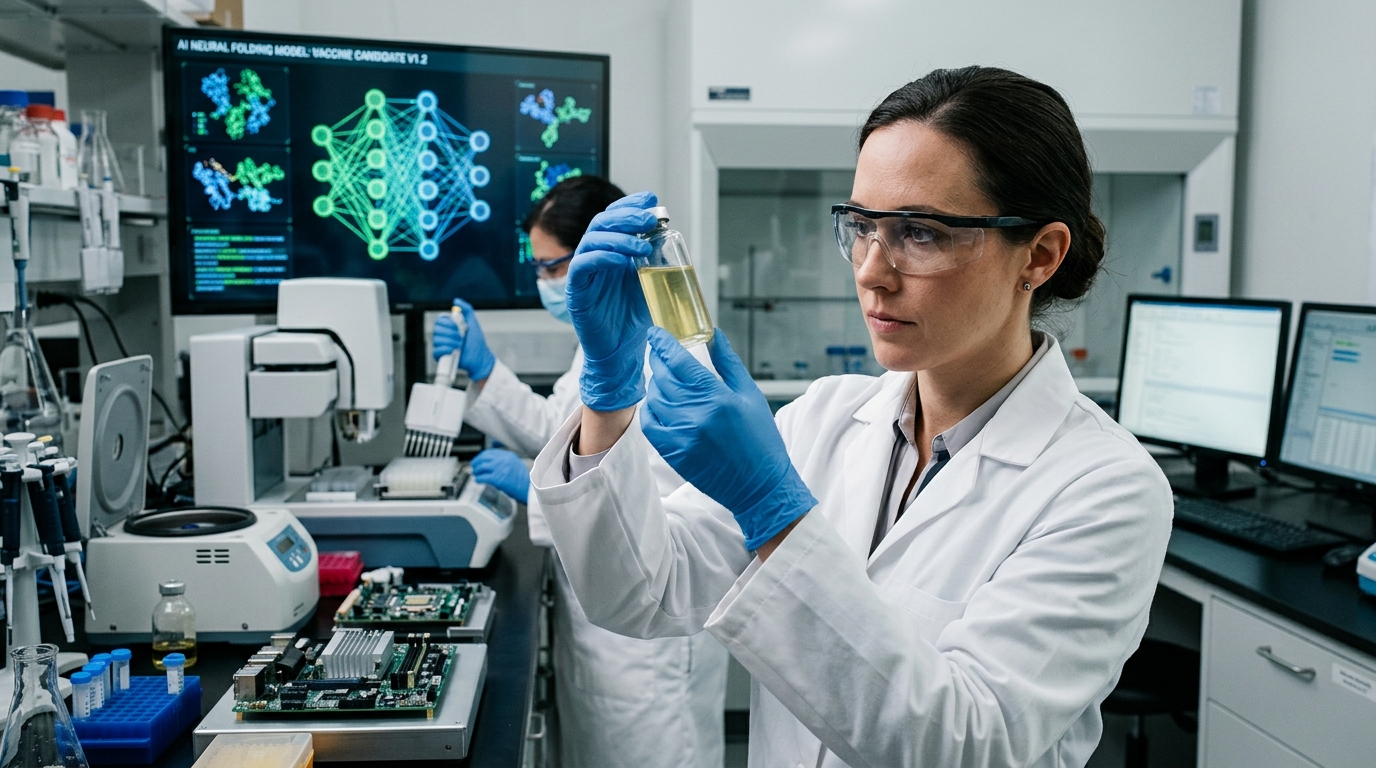
Boehringer aims to bridge the chasm between biological complexity and digital simulation. In this new facility, data scientists and biologists will work side-by-side to develop models capable of predicting a molecule's efficacy and toxicity before it ever reaches the clinical trial stage. This "Digital First" approach promises to drastically reduce the time and cost of developing new therapies, particularly in fields with high unmet needs, such as oncology and cardiometabolic diseases.
Countering "Eroom’s Law": AI as the Pharma Lifeline
For decades, pharmaceutical R&D has been plagued by what economists call "Eroom’s Law" (Moore’s Law spelled backwards). While technology becomes cheaper and faster, drug development becomes increasingly expensive and slow, with the cost per approved drug now exceeding $2.6 billion. Artificial Intelligence provides the tool to break this cycle. Boehringer Ingelheim recognizes that the ability to process unstructured data—from clinical notes to genomic sequences—is the industry’s "new oil."
- Molecular Design: Utilizing Graph Neural Networks (GNNs) to engineer novel chemical structures with specific therapeutic properties.
- Clinical Trial Optimization: Selecting the right patient cohorts through predictive modeling, thereby reducing failure rates.
- Drug Repurposing: Discovering new therapeutic uses for existing drugs through biological network analysis.
The London hub will not operate in a vacuum. It will serve as the nexus of the company’s global digital strategy, augmenting the efforts of BI X (Boehringer’s digital lab) and its existing partnerships with Google Quantum AI. A significant emphasis is placed on "Explainable AI" (XAI), ensuring that decisions made by algorithms are transparent, interpretable, and verifiable by both scientists and regulatory bodies like the MHRA.
Ethics and Data: The Challenge of Trust
As Boehringer Ingelheim solidifies its presence in London, it faces the critical issue of data governance. Utilizing patient data to train AI models requires rigorous privacy protocols and ethical frameworks. The UK, with its centralized NHS health system, offers one of the world's richest datasets, but access comes with profound responsibility. Boehringer must ensure that innovation does not come at the expense of transparency or patient trust.
"AI does not replace the scientist; it empowers them to see patterns that have remained invisible to the human eye for decades," industry experts suggest.
In an aging world where diseases are becoming more complex, Boehringer Ingelheim’s move signals a transition to an era where medicine is both proactive and personalized. The London gamble is significant, but the potential rewards for global health are even greater. The success of this venture will be measured not by lines of code, but by the medicines that eventually reach the pharmacy shelf, saving lives that were once considered beyond help.