As we navigate the first half of 2026, the discourse surrounding Artificial Intelligence (AI) in medicine has matured significantly. We have moved past the initial phase of unbridled optimism and are now grappling with the granular realities of clinical integration. While AI has demonstrated remarkable potential in controlled environments, its transition to the chaotic, high-stakes world of the emergency room and the primary care clinic reveals both its transformative power and its inherent limitations. The central question is no longer whether AI has a place in medicine, but how we can govern its influence to ensure it serves the patient rather than the algorithm.
The Diagnostic Frontier and Drug Discovery
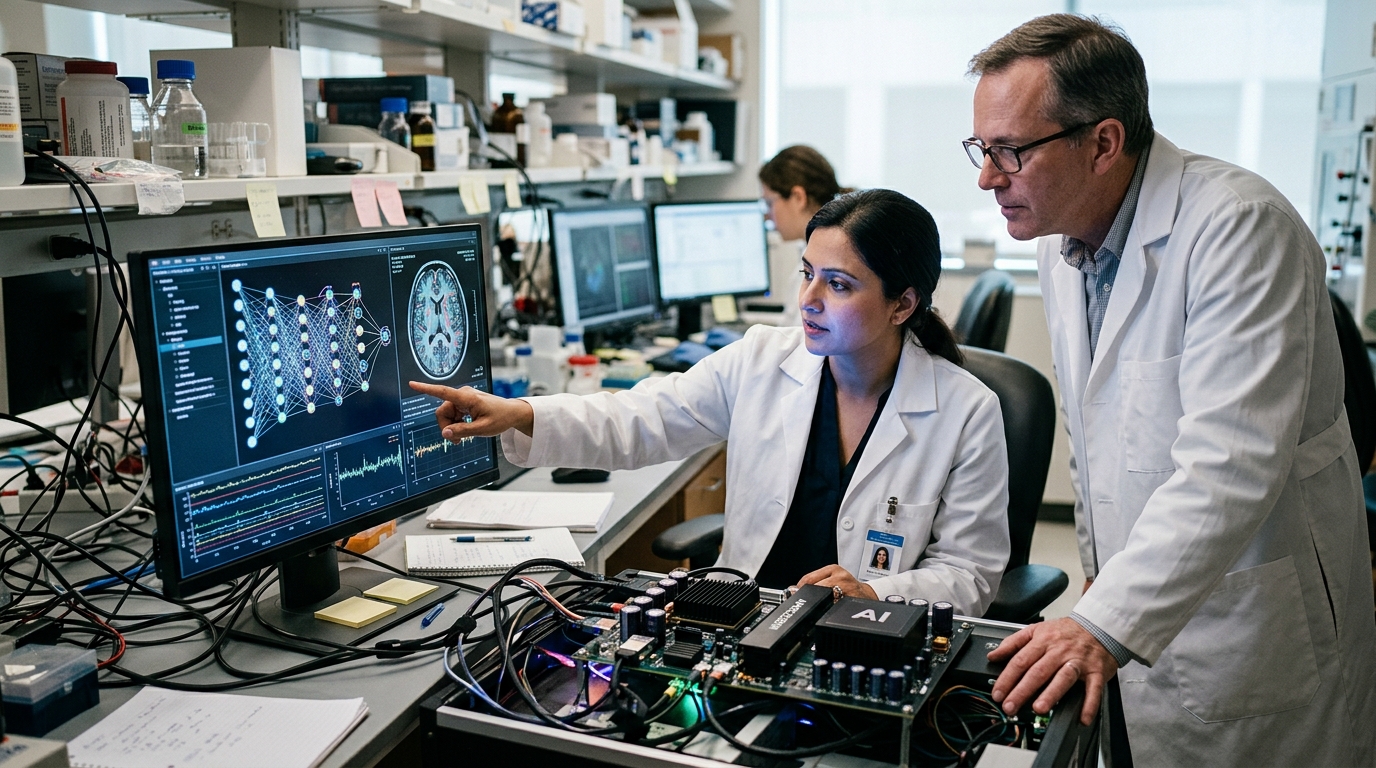
The most tangible successes of AI are currently found in diagnostic imaging. Radiology, pathology, and dermatology have been augmented by computer vision systems that can identify patterns invisible to the human eye. These tools act as a sophisticated triage mechanism, flagging urgent cases and providing a safety net against human fatigue. In 2026, the integration of generative AI into electronic health records (EHRs) has also begun to reduce the administrative burden on clinicians, allowing them to spend more time with patients and less time on documentation.
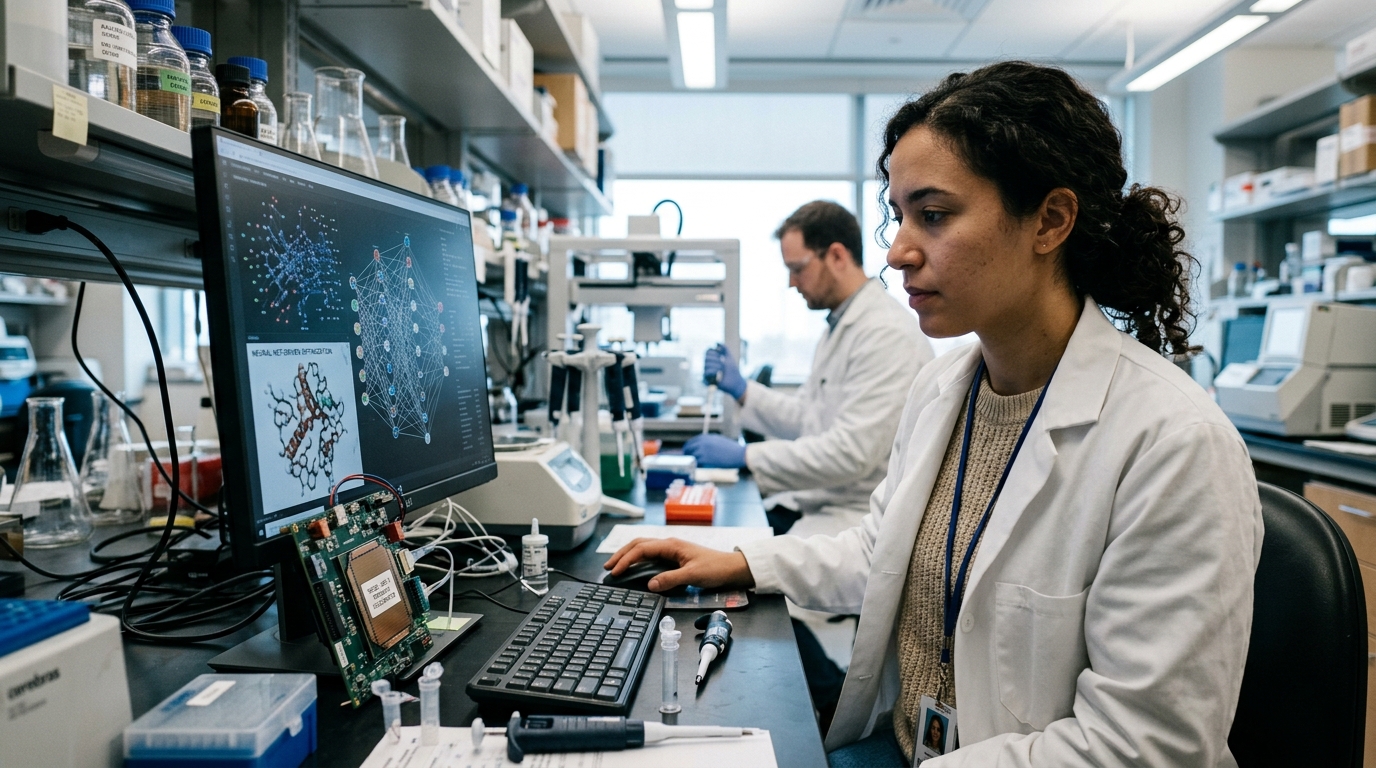
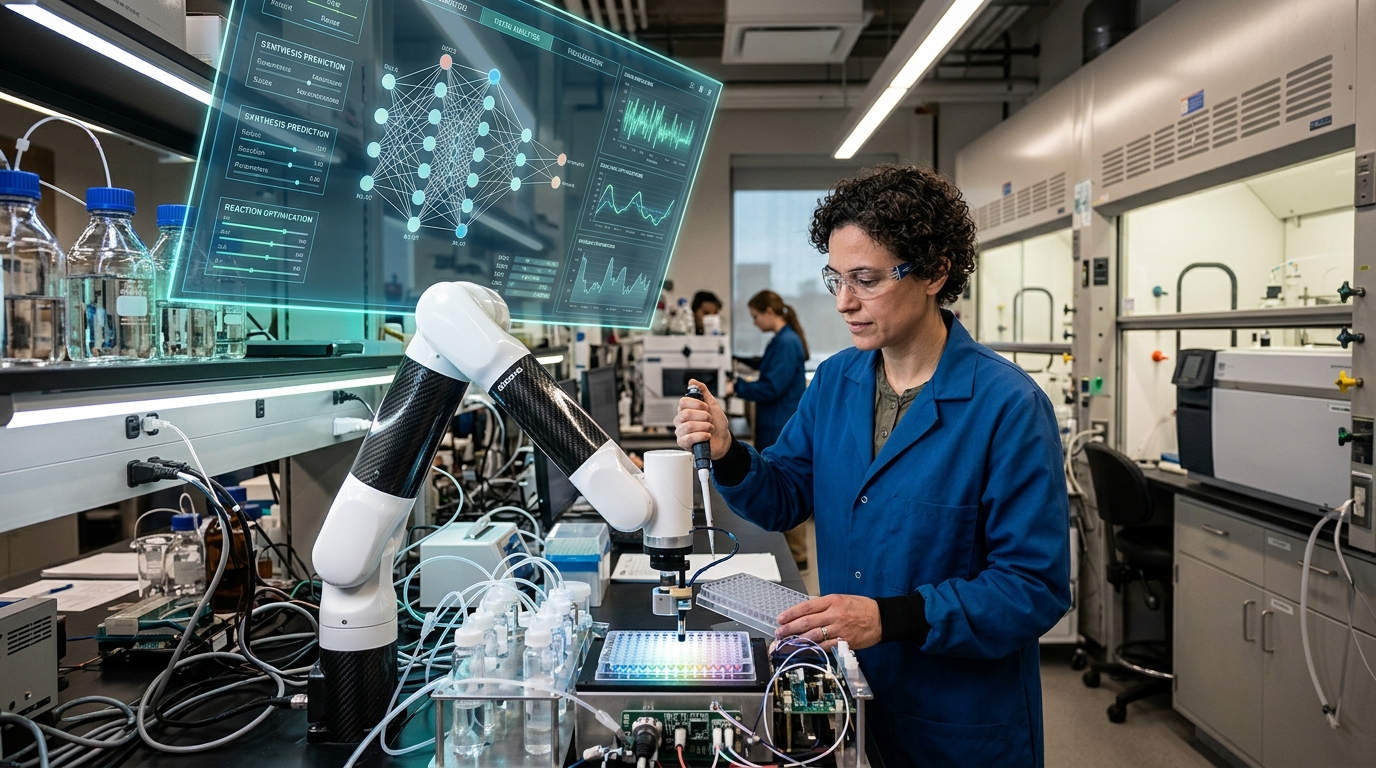
Beyond the clinic, AI is fundamentally reshaping the pharmaceutical industry. The process of drug discovery, which traditionally took a decade and cost billions of dollars, is being accelerated by models like AlphaFold and its successors. By predicting protein structures and simulating molecular interactions, AI is enabling the development of targeted therapies for rare diseases that were previously considered 'undruggable.' This shift from trial-and-error to computational design represents one of the most significant leaps in medical history.
The 'Black Box' Problem and Algorithmic Bias
Despite these advancements, the 'hype' often obscures critical structural flaws. One of the primary concerns is the 'black box' nature of deep learning models. When an AI identifies a malignant tumor, it often cannot explain the specific features that led to that conclusion. For a physician, this lack of interpretability is a major barrier to trust. If a machine makes a recommendation that contradicts clinical intuition, the resulting conflict can lead to paralysis in decision-making.
- Data Bias and Inequality: AI models are only as good as the data they consume. Historically, medical datasets have been skewed towards specific demographics, often neglecting women and minority groups. If left uncorrected, AI risks codifying and automating these existing healthcare disparities.
- Liability and the Regulatory Void: The legal framework for AI in medicine is still evolving. When an autonomous or semi-autonomous system contributes to a medical error, the chain of accountability is blurred. Is it a software failure, a training error, or a clinical oversight?
- The Erosion of Human Touch: There is a growing concern that the 'datafication' of the patient will lead to a more transactional form of medicine. The healing process is not merely biological but psychological; the empathy of a human doctor remains a vital component of recovery that AI cannot replicate.
Reality Check: The Implementation Gap
The 'Detroit Bureau' report highlights a crucial point: the 'valley of death' between a successful pilot study and widespread clinical adoption. Many AI tools that perform brilliantly in a research setting fail when exposed to the variability of different hospital systems. Inconsistent data formats, aging infrastructure, and resistance from medical staff often stall the rollout of even the most promising technologies.
"AI will not replace physicians, but physicians who use AI will replace those who do not," has become a mantra in the industry. However, this transition requires a radical rethinking of medical education.
As we look toward the end of the decade, the focus must shift from 'innovation for innovation's sake' to 'innovation for impact.' This means prioritizing transparency, ensuring that AI tools are validated across diverse populations, and maintaining the human physician as the ultimate arbiter of care. The goal is a symbiotic relationship where the machine handles the data-heavy tasks, freeing the human to perform the uniquely human task of healing.