At the dawn of the third decade of the 21st century, the discussion surrounding Artificial Intelligence (AI) in medicine has shifted from science fiction to daily clinical practice. From diagnosing rare diseases through X-rays to predicting cardiac events, algorithms demonstrate speed and accuracy that often surpass human capabilities. However, a fundamental question remains at the heart of the medical community: Can code ever replace what we call "clinical intuition"?
Clinical intuition is not a magical trait, nor is it arbitrary guesswork. It is the result of years of experience, where the physician's brain subconsciously processes thousands of micro-signals—the tone of a patient's voice, the pallor of their skin, the way they move, or even the "vibe" of a hospital room. This holistic perception is something that current technology, no matter how advanced, fails to fully replicate.
The Nature of Clinical Judgment vs. Algorithmic Logic
Artificial Intelligence operates on data. It is fed structured information—lab tests, imaging results, medical histories. But medicine is often "messy." Patients do not always present with symptoms that fit the textbooks. Clinical intuition allows the doctor to recognize the "paradox," those cases where tests appear normal, but the patient simply "doesn't look right."
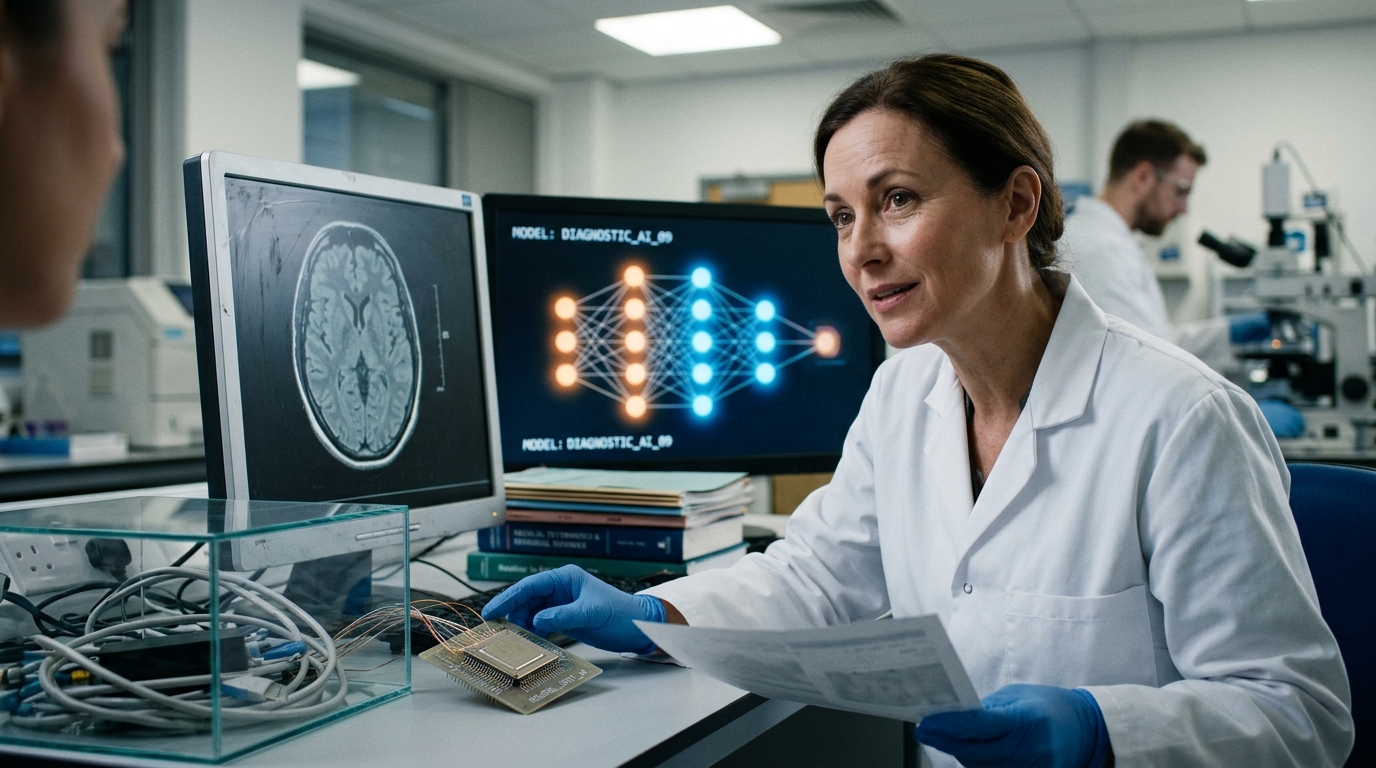
As highlighted in recent analyses on KevinMD, AI lacks context. An algorithm can detect a tumor on an MRI with 99% accuracy, but it cannot understand if the patient sitting in front of them is psychologically prepared to hear the diagnosis, or if their social circumstances will allow them to follow a specific treatment plan. Medicine is not just about solving a biological puzzle; it is about caring for a human being.
The Black Box Problem and Ethical Accountability
One of the biggest hurdles to the full automation of medicine is the so-called "black box" problem. Many deep learning algorithms arrive at conclusions without being able to explain their reasoning process. In medicine, justification is as important as the result itself. A doctor must know "why" a surgical intervention is being recommended.
- Accountability: Who is responsible if an algorithm makes a mistake? Legal and ethical liability remains with the human practitioner.
- Data Bias: Algorithms are trained on historical data that often contain human biases, leading to misdiagnoses for specific population groups.
- Ethical Empathy: The ability to hold a patient's hand during a difficult moment cannot be encoded.
The Human Connection as a Therapeutic Tool
Medicine is a deeply social and human activity. The relationship of trust between doctor and patient has therapeutic value in itself—what is often called the placebo effect or the "therapeutic alliance." AI can provide information, but the doctor provides meaning. A physician's intuition often guides the conversation into paths the patient might have been afraid to explore, revealing critical information that no digital questionnaire could ever elicit.
In conclusion, Artificial Intelligence should be viewed as a powerful "stethoscope of the future" rather than a replacement for the clinician. Maximum effectiveness will come through symbiosis: AI will handle the processing of vast amounts of data, freeing up time for the doctor to focus on what they do best—being human, using their judgment, and healing with intuition.