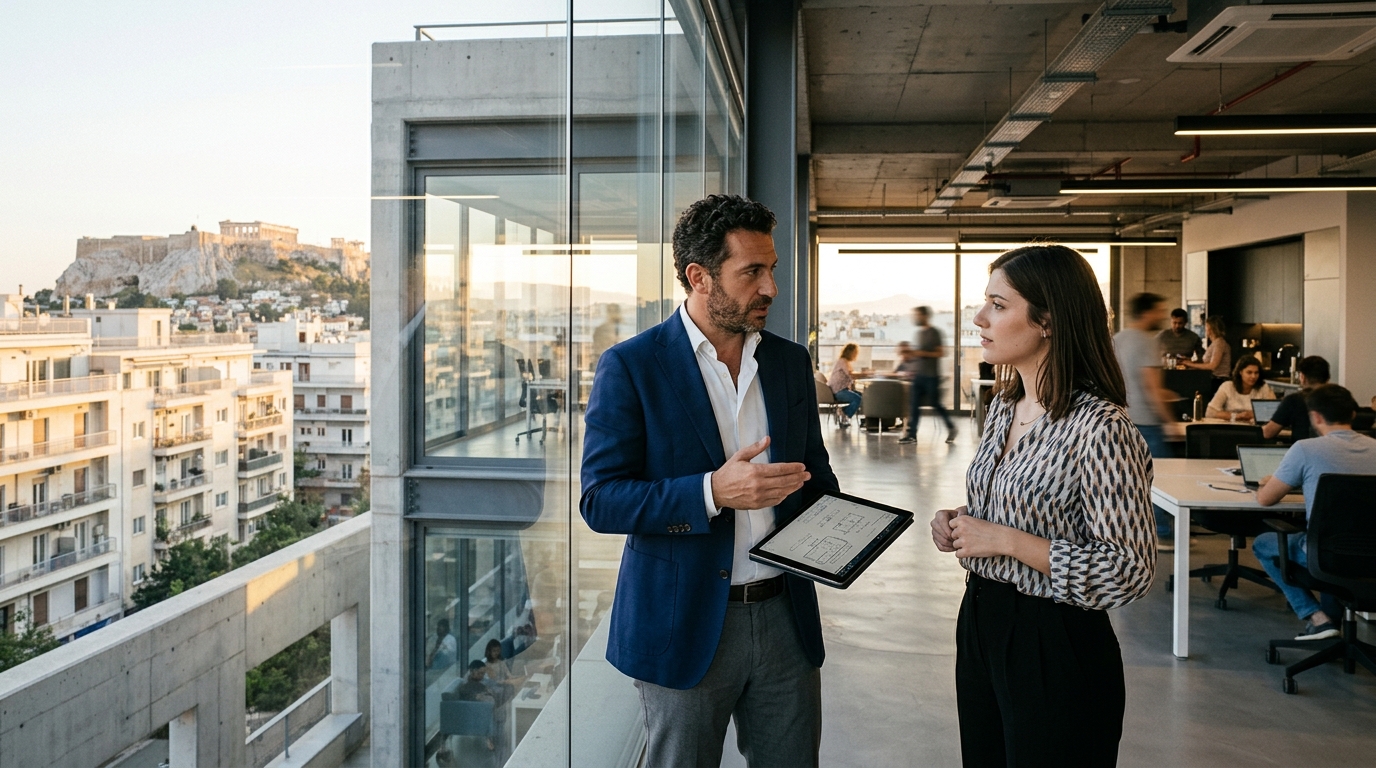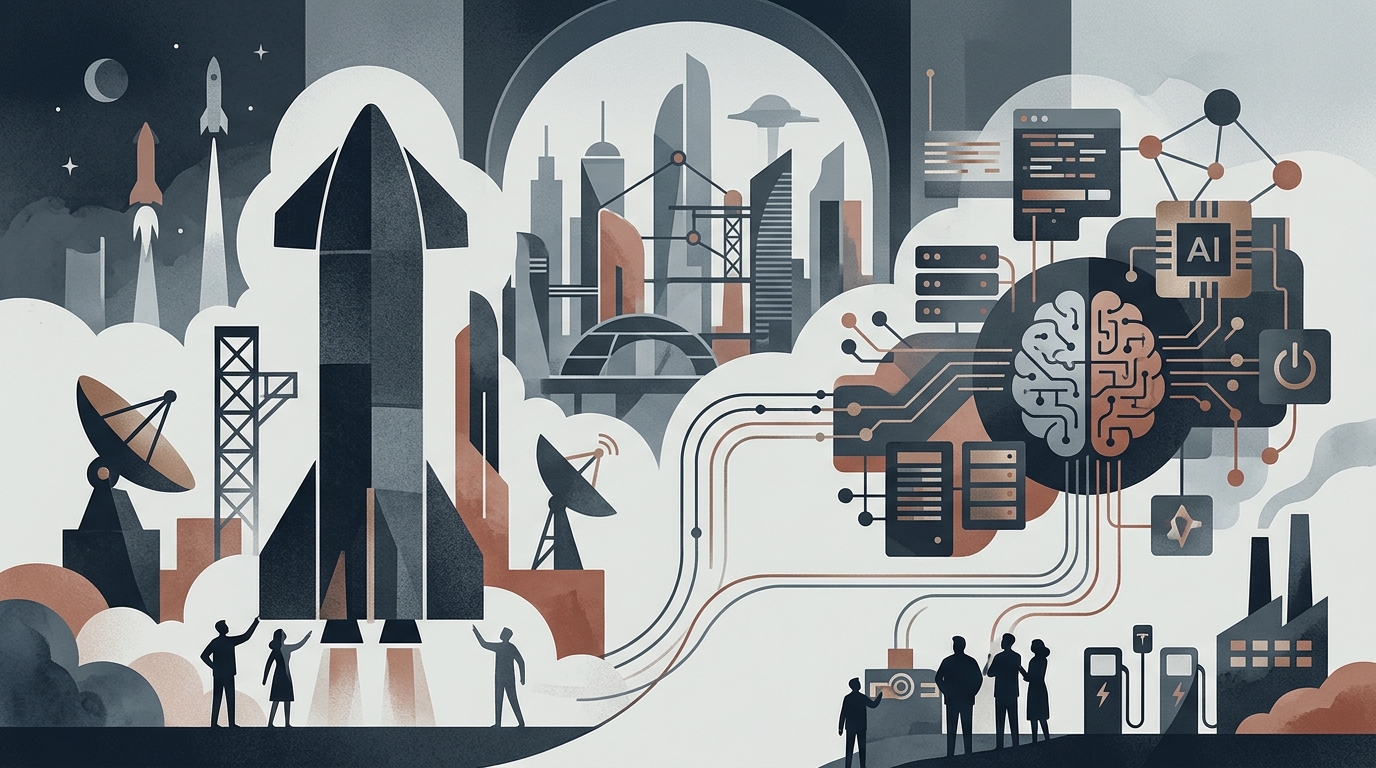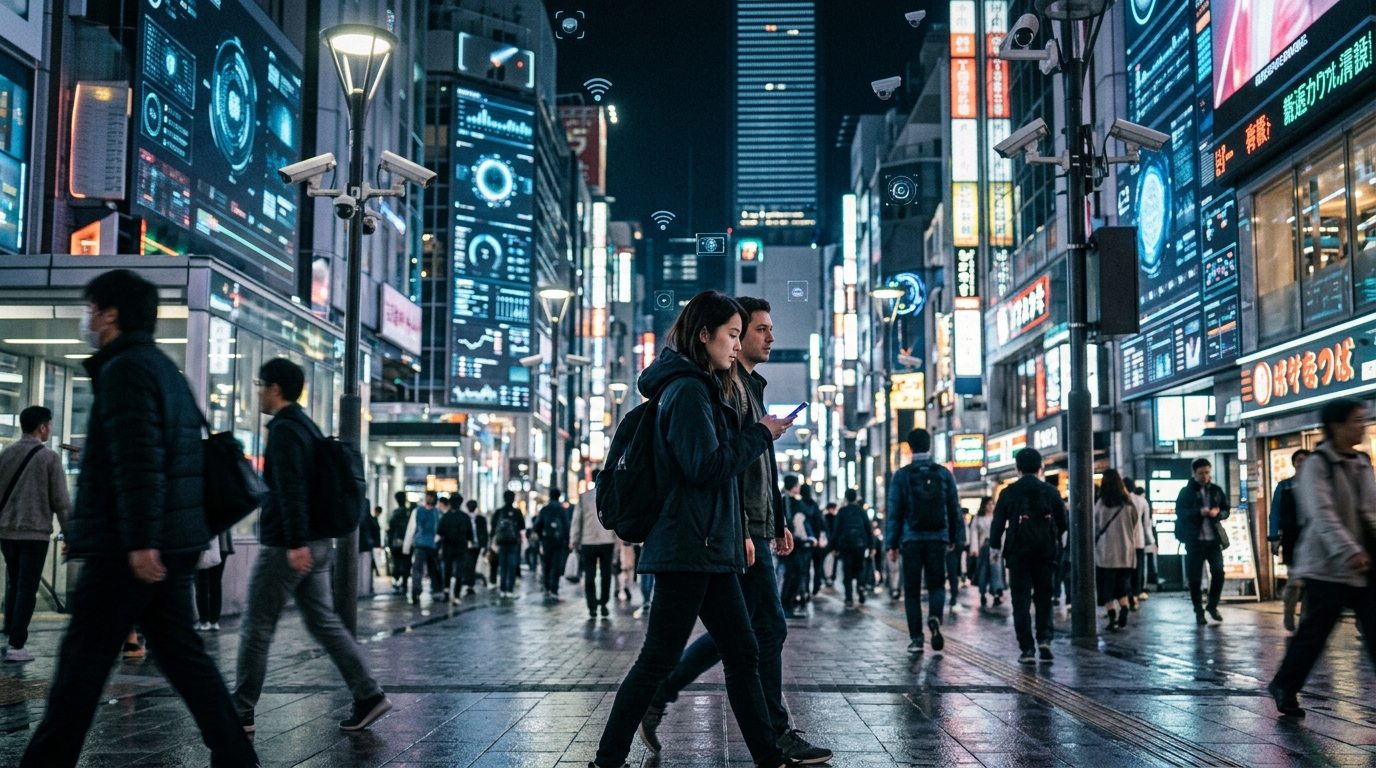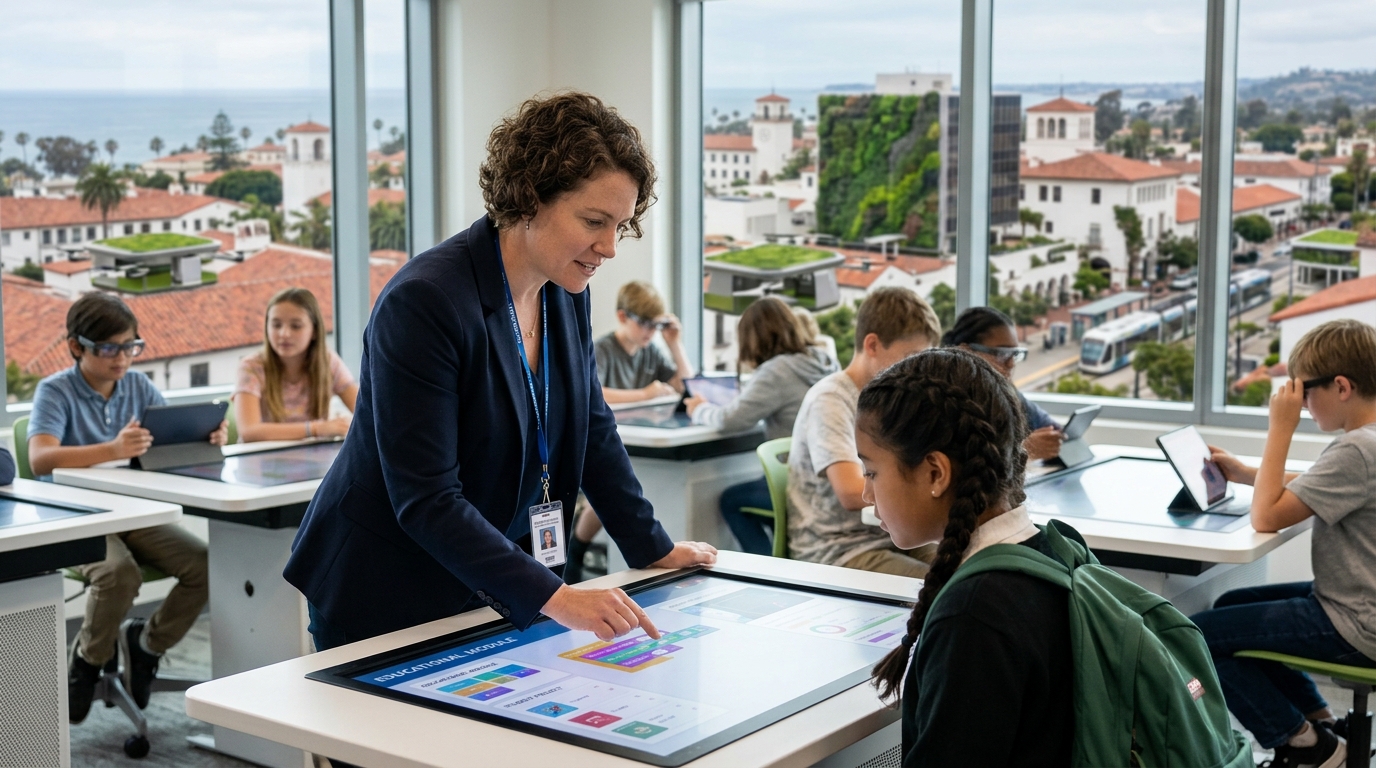
In sunny Santa Barbara, California, a quiet revolution is unfolding within the walls of public and private schools alike. Where two years ago there was widespread panic regarding ChatGPT and its potential to facilitate mass plagiarism, today we find a landscape of mature adoption. Educators in the region are no longer viewing Artificial Intelligence (AI) as a threat to academic integrity, but as a sophisticated pedagogical partner capable of unlocking unprecedented potential for both students and teachers. This shift is not merely technological; it is a profound cultural evolution touching the very core of what it means to learn in the 26th year of the millennium.
The Great Pivot: From Banning to Pedagogical Partnership
When generative AI first burst into the public consciousness in late 2022, the knee-jerk reaction of many school districts was an outright ban. The fear that students would atrophy their cognitive abilities by outsourcing essays to algorithms was palpable. However, in Santa Barbara, the narrative began to shift early on. Educators realized that banning AI was a Sisyphean task. Instead, they opted for a strategy of "AI Literacy," teaching students how to use these tools ethically and effectively.
Reports from the Santa Barbara Independent highlight how teachers are now leveraging platforms like MagicSchool AI and Khan Academy’s Khanmigo to streamline their workflows. Tasks that once consumed entire weekends—such as differentiating a single lesson plan for five different reading levels or generating customized rubrics—can now be accomplished in minutes. This administrative relief is perhaps the most significant benefit, as it allows teachers to move away from the "clerical" side of education and return to the "human" side: mentorship and emotional support.
Personalized Learning: Solving the Scaling Problem
The historical Achilles' heel of mass education has always been the "one-size-fits-all" model. In a classroom of 30 students, a teacher is often forced to teach to the middle, leaving both high-achievers and struggling students underserved. AI in Santa Barbara is acting as a force multiplier for differentiation. By utilizing AI-driven tutoring systems, students receive immediate, personalized feedback on their work, rather than waiting days for a graded paper.
"AI doesn't replace the teacher; it gives them superpowers," says one local educator. "I can now monitor in real-time exactly where a student is stumbling and intervene with a human touch, while the rest of the class continues their personalized learning paths."
Furthermore, AI is being used to foster creativity in ways previously unimagined. Students are using image generators to visualize historical scenes, or AI-assisted coding tools to build functional apps for science projects. This lowers the barrier to entry for complex projects, allowing the focus to shift from technical proficiency to conceptual innovation and problem-solving.
Navigating the Ethical Labyrinth
Despite the optimism, the road ahead is fraught with challenges. Santa Barbara school leaders emphasize that AI integration must be handled with a rigorous focus on data privacy and ethical boundaries. There is a constant concern regarding "algorithmic bias," where AI models may inadvertently reflect societal prejudices or provide factually incorrect information (hallucinations). Teaching students to be "critical prompters"—individuals who can verify and cross-reference AI output—has become a cornerstone of the new curriculum.
- Data Sovereignty: Ensuring that student data is never used to train commercial models without explicit consent.
- The Digital Divide: Bridging the gap between students who have access to high-end AI tools at home and those who do not.
- Critical Literacy: Moving beyond rote memorization to focus on the evaluation of AI-generated content.
The most pressing concern remains the potential for an "AI Divide." If advanced educational technology becomes the exclusive domain of affluent districts like Santa Barbara, existing social inequalities will only be magnified. The local effort is therefore focused on creating scalable models that use open-source tools, ensuring that the benefits of the AI revolution are democratized across all socio-economic strata.
Conclusion: The Human-AI Synthesis
The Santa Barbara experience serves as a microcosm for the future of global education. As we move deeper into 2026, it is clear that AI is not a passing fad but a foundational shift in the human experience. The educators who are embracing these changes are not abdicating their roles to machines; rather, they are reclaiming their time to serve as the mentors, guides, and inspirations that the next generation desperately needs. The classroom of the future is not a place where humans are replaced, but where they are more empowered than ever before.