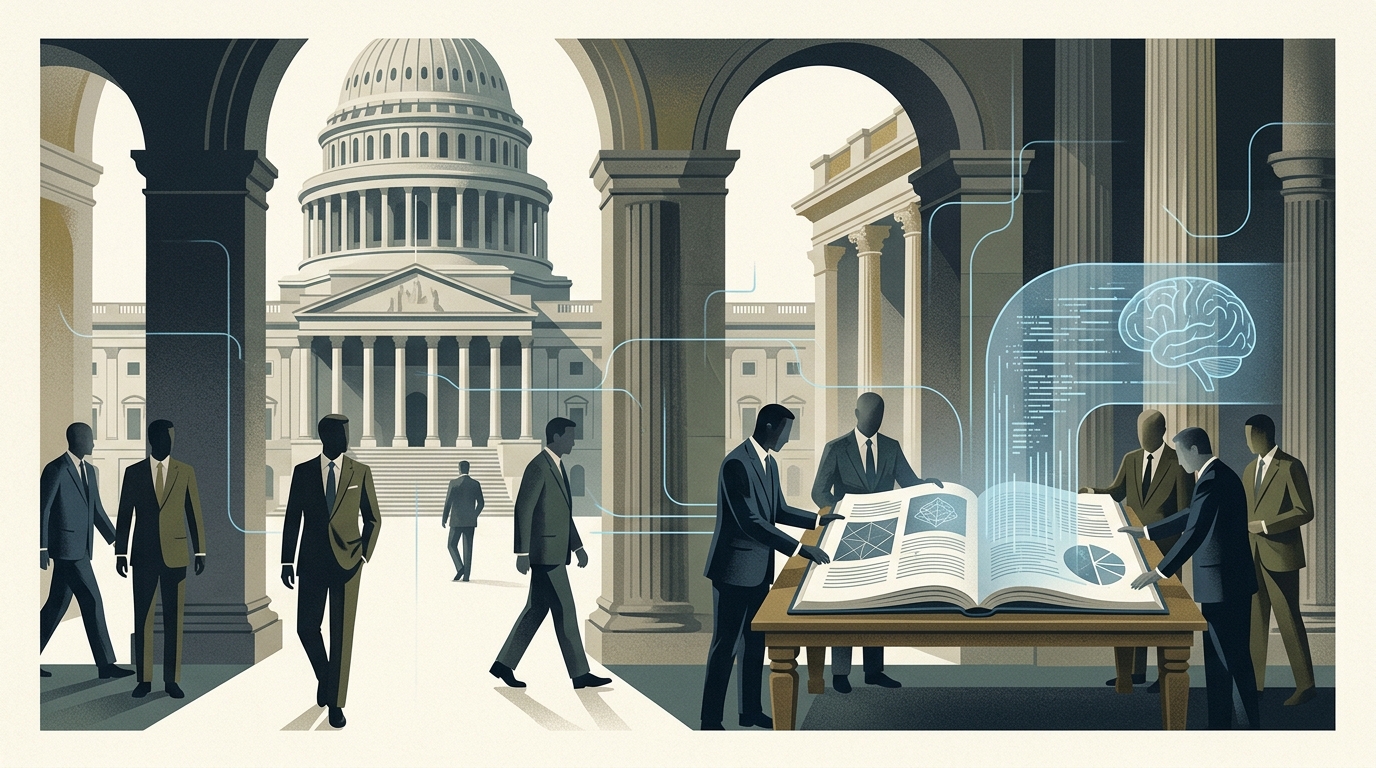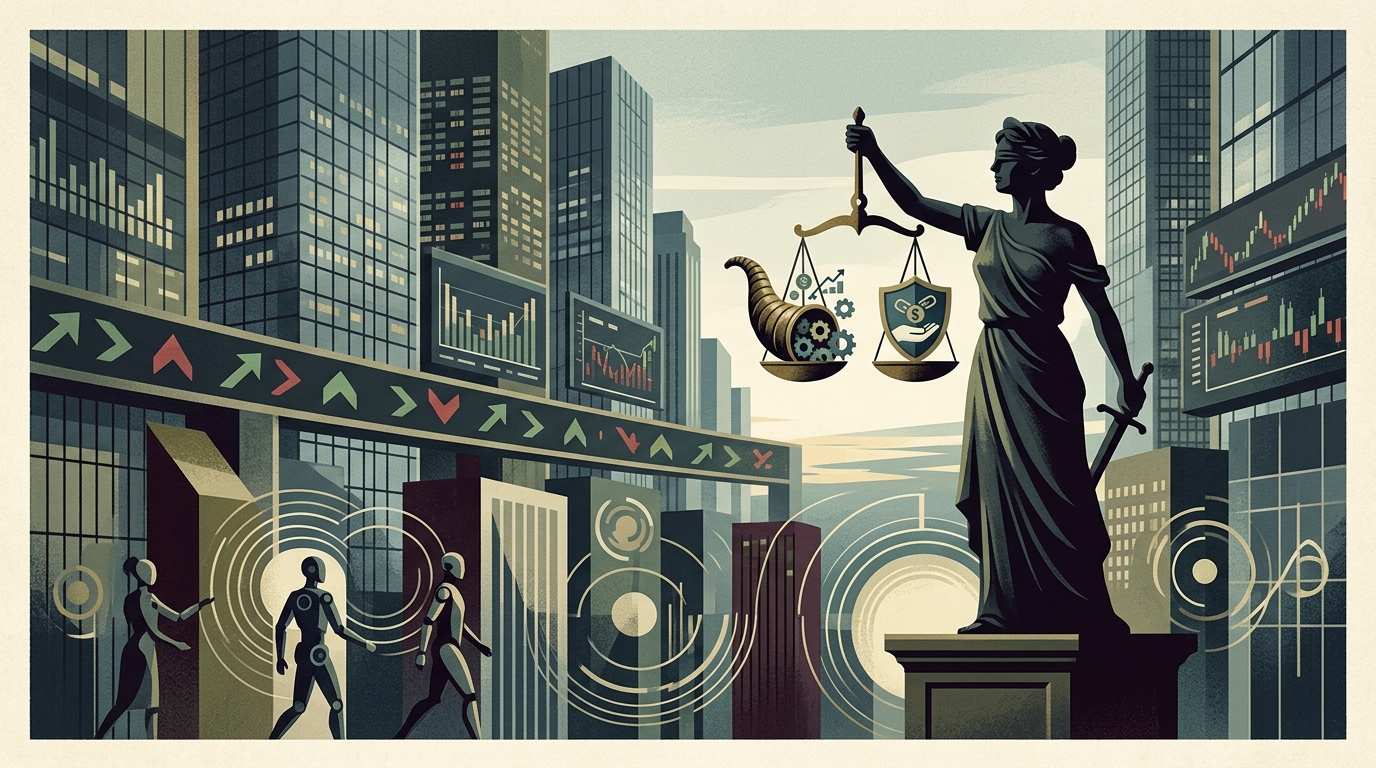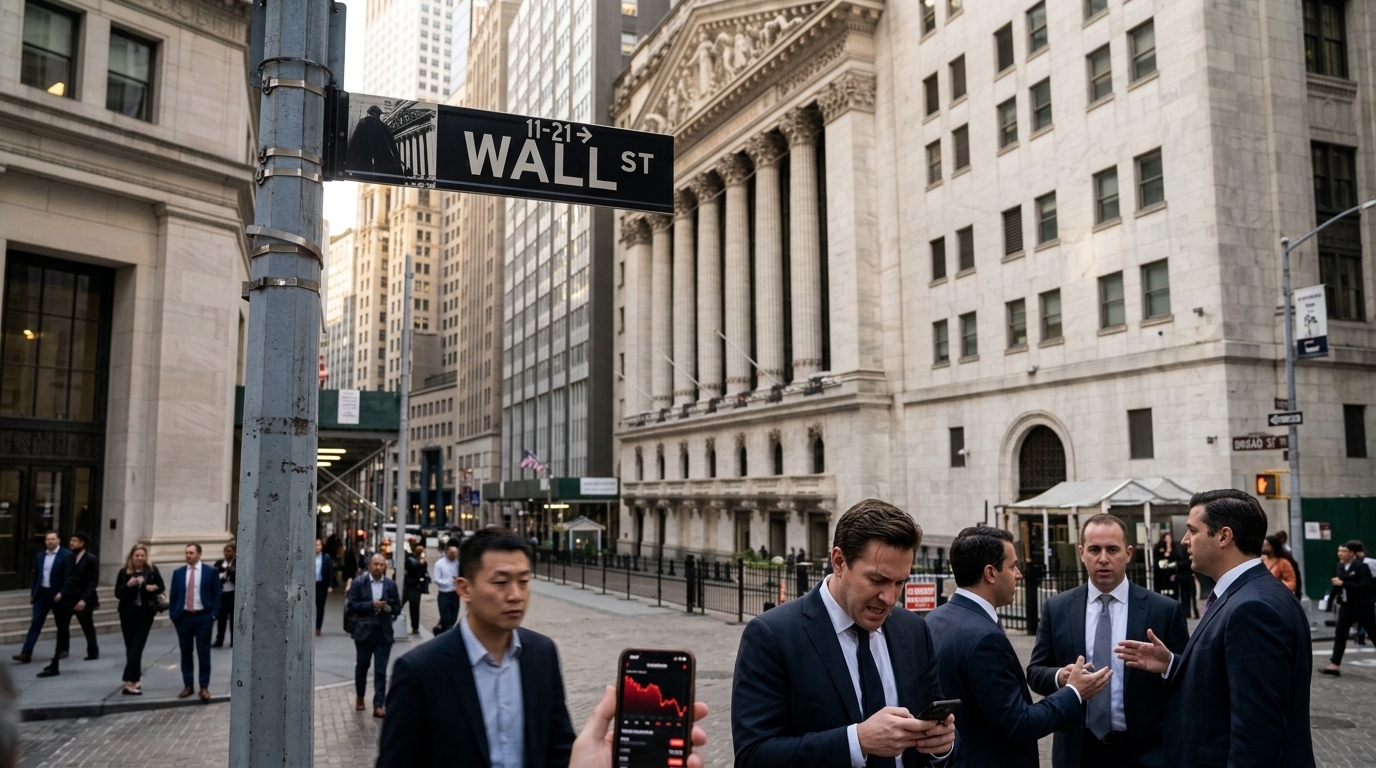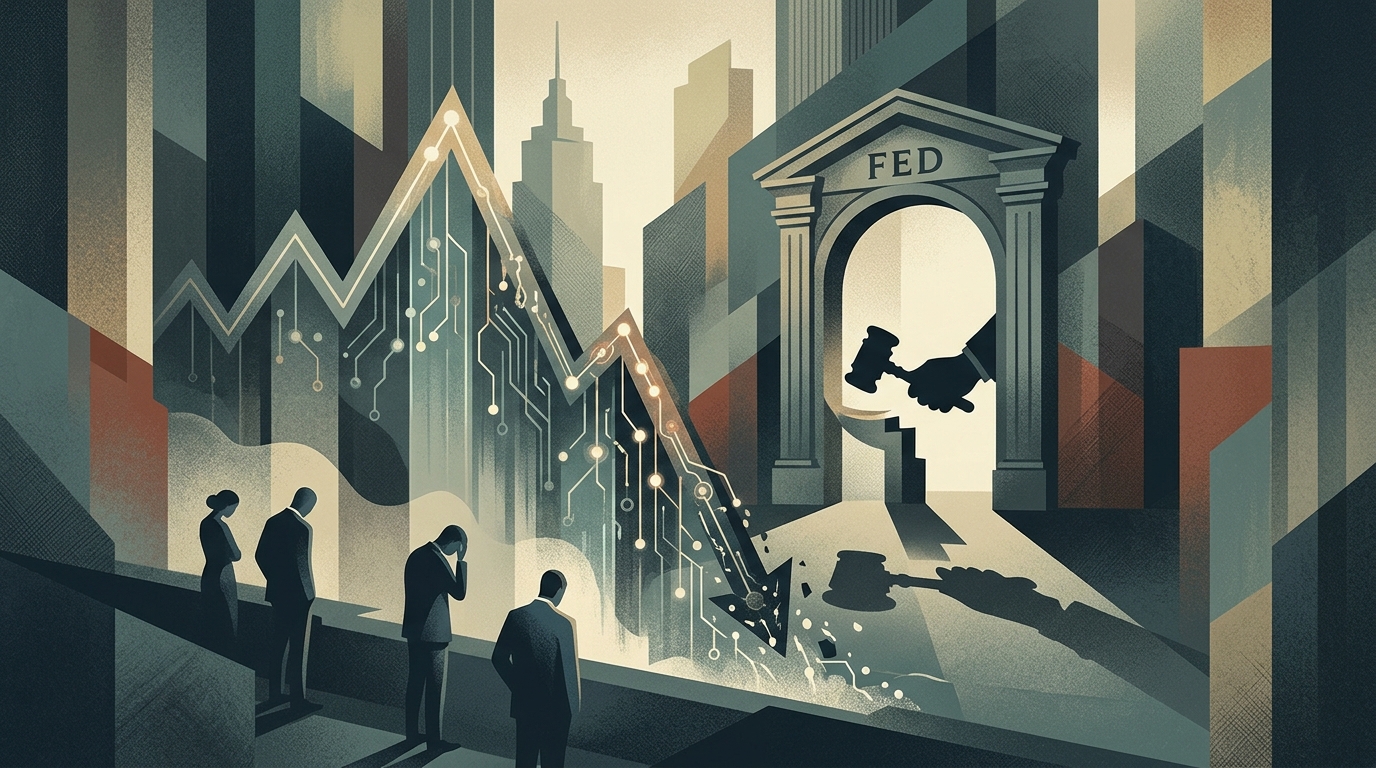
June 8, 2026, may well be remembered as the day Wall Street was forced to stare into the mirror of economic fundamentals. After a prolonged period of euphoria where Artificial Intelligence (AI) served as the 'magic wand' justifying every valuation, markets have collided with the relentless reality of the Federal Reserve. The recent dive in tech stocks is not merely a correction; it is the result of a clash between the technological promise of the future and the cost of capital in the present.
Investors, who until recently ignored inflation warnings to focus exclusively on the earnings of Nvidia and Microsoft, appear to be pivoting. The prospect of interest rates remaining higher for longer than anticipated has sent shivers through the trading floors. In the tech world, where a company's value is often predicated on its future cash flows, high interest rates act as a 'poison,' discounting the present value of those far-off profits.
The AI Bubble vs. Interest Rate Reality
For nearly two years, the market mantra was 'AI or nothing.' Companies adding an 'AI' prefix to their quarterly reports saw their share prices skyrocket. However, as we move into the second half of 2026, the question is no longer whether AI is useful, but whether it can generate enough revenue to offset the astronomical costs of its infrastructure. The Fed, through its hawkish stance, is forcing the market to perform this painful accounting.
"The market had become addicted to the notion that technological innovation could transcend the laws of macroeconomics. Today's sell-off is a reminder that the cost of money remains the ultimate arbiter," noted a senior analyst at Goldman Sachs.
The contagion was not limited to the 'Magnificent Seven.' It spread across the entire ecosystem of semiconductors, cloud computing, and Software-as-a-Service (SaaS) providers. The concern is twofold: on one hand, monetary tightening restricts the liquidity that fueled speculative moves; on the other, the massive Capital Expenditure (CapEx) for AI hardware is beginning to be scrutinized by shareholders demanding immediate profitability.
Nvidia Dependency and the Domino Effect
Nvidia, which many consider the 'lighthouse' of the new economy, saw its stock face significant pressure. When the industry leader stumbles, the entire Nasdaq index inevitably follows. The problem lies in the hyper-concentration of capital in a handful of titles. Institutional investors, attempting to lock in gains, are moving toward liquidation, triggering a domino effect that drags down even fundamentally sound businesses.
- Treasury yields surged, making equities relatively less attractive to institutional portfolios.
- Capital expenditure for AI data centers is approaching saturation levels in several key markets.
- Geopolitical tensions in Asia add another layer of risk to the semiconductor supply chain.
In Europe, markets reacted in kind, though the reliance on pure-play tech is lower. Nevertheless, the interconnectedness of global capital markets means that a 'sneeze' on Wall Street causes a 'cold' in Frankfurt and London. European investors are watching the Fed's moves with bated breath, as the European Central Bank (ECB) finds itself on a difficult path balancing growth and inflation in a high-rate environment.
Macro Uncertainty and the Future of Investment
The big question looming over the market is whether this dive represents the beginning of a prolonged 'bear market' for tech or if it is a buying opportunity at lower valuations. The answer depends largely on upcoming US inflation data. If prices do not retreat at the pace the Fed hopes for, the pressure on tech stocks will likely persist.
Furthermore, the political landscape in the US, with upcoming budget debates, adds a layer of volatility. Technology is no longer an isolated sector; it is the backbone of the modern economy and, as such, is fully exposed to the fluctuations of fiscal and monetary policy. Investors are now being called to be more selective, focusing on companies with robust cash flows rather than just promises of algorithmic supremacy.
In conclusion, the 'correction' of June 8, 2026, serves as a lesson in humility for Silicon Valley. Artificial Intelligence will undoubtedly change the world, but it cannot abolish economic cycles. The Fed has reminded everyone that, at the end of the day, interest rates are the law of gravity for financial markets.