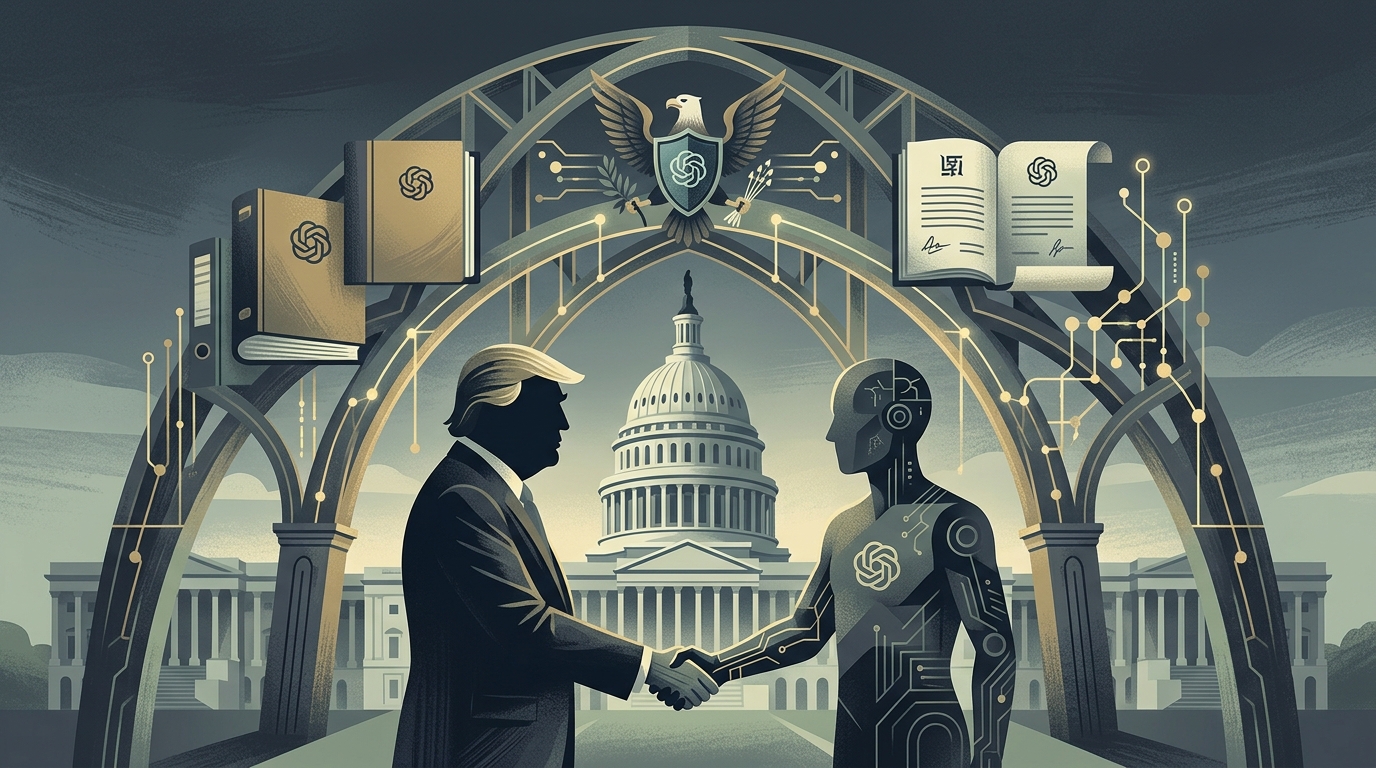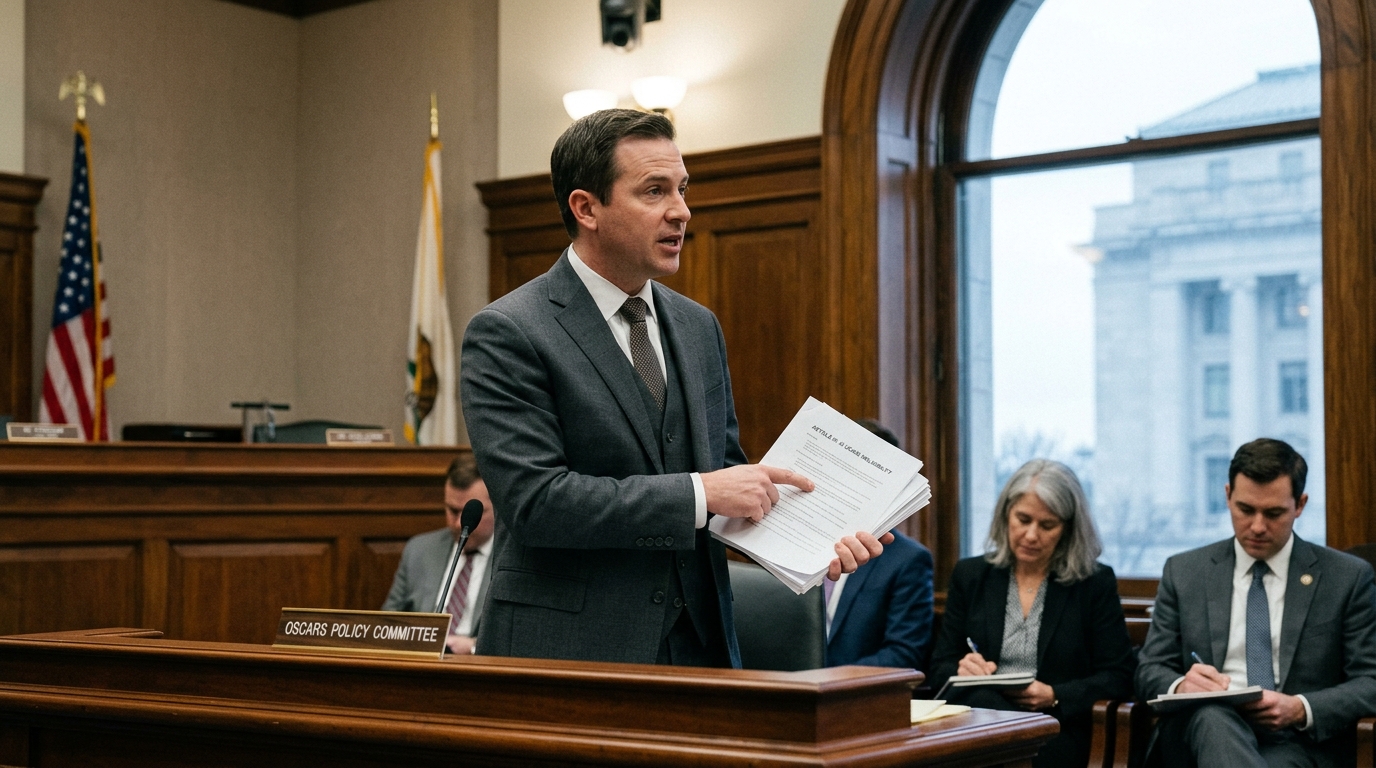
In a historic move that redefines the boundaries between technological progress and artistic creation, the Academy of Motion Picture Arts and Sciences (AMPAS) has announced a series of strict regulations excluding Artificial Intelligence from the core categories of the Academy Awards. This decision, the culmination of two years of intense debate in Hollywood, clarifies that for a film to be eligible for Best Screenplay or Acting awards, the human element must be not only dominant but the exclusive source of creation.
The Human Condition as a Prerequisite for Eligibility
According to the new regulations, an "actor" is explicitly defined as a natural person, thereby excluding digitally created characters based on Generative AI from the Best Actor and Supporting Actor categories. This move does not target visual effects (VFX), which continue to be recognized as tools, but rather the attempt to replace human emotional intelligence with algorithms. The Academy argues that acting is an act of empathy and lived experience—elements that a machine, no matter how advanced, is incapable of authentically replicating.
Similarly, in the field of screenwriting, the rules are equally stringent. A script "generated" by AI cannot be considered an "original" or "adapted" work by a human creator. While the use of AI as a supportive tool (e.g., for research or spell-checking) is permitted, the structure, dialogue, and intellectual property must demonstrably belong to a natural person. The Academy now requires full transparency and disclosure of any AI software used during the nomination submission process.
The Legacy of the Strikes and the Legal Framework
This development did not happen in a vacuum. It is the direct result of the massive strikes by the WGA (Writers) and SAG-AFTRA (Actors) unions that shook the industry in 2023 and 2024. Creators demanded—and ultimately won—guarantees that their work would not be replaced by "synthetic performers" or automated scripts. The Oscars' decision institutionalizes these victories, sending a powerful message to production companies and studios: investing in AI at the expense of humans will come at the cost of exclusion from the world's most prestigious film award.
- Protection of creators' intellectual property rights from unauthorized use of their data for training AI models.
- Ensuring the ethical dimension of performance, preventing the posthumous digital resurrection of actors without explicit consent.
- Preserving the cultural heritage of cinema as a human-centric art form.
Technology vs. Creativity: The Fine Line
Despite the exclusion, the Academy is not closing the door on technological innovation. Visual effects that use machine learning for image enhancement or de-aging actors remain eligible in the Visual Effects category. The difference lies in intent: technology must serve the artist's vision, not substitute it. The challenge for the coming years will be the enforcement of these rules, as the line between "assistive use" and "generation" becomes increasingly blurred.
"Cinema is the mirror of the human condition. If we remove the human from the equation, the mirror remains empty," stated a member of the Academy's rules committee.
In an era where Silicon Valley is pushing for full content automation, Hollywood chooses to fortify itself behind tradition. This move is expected to influence other major festivals, such as Cannes and Venice, creating a global front to protect human creativity against the algorithmic onslaught.