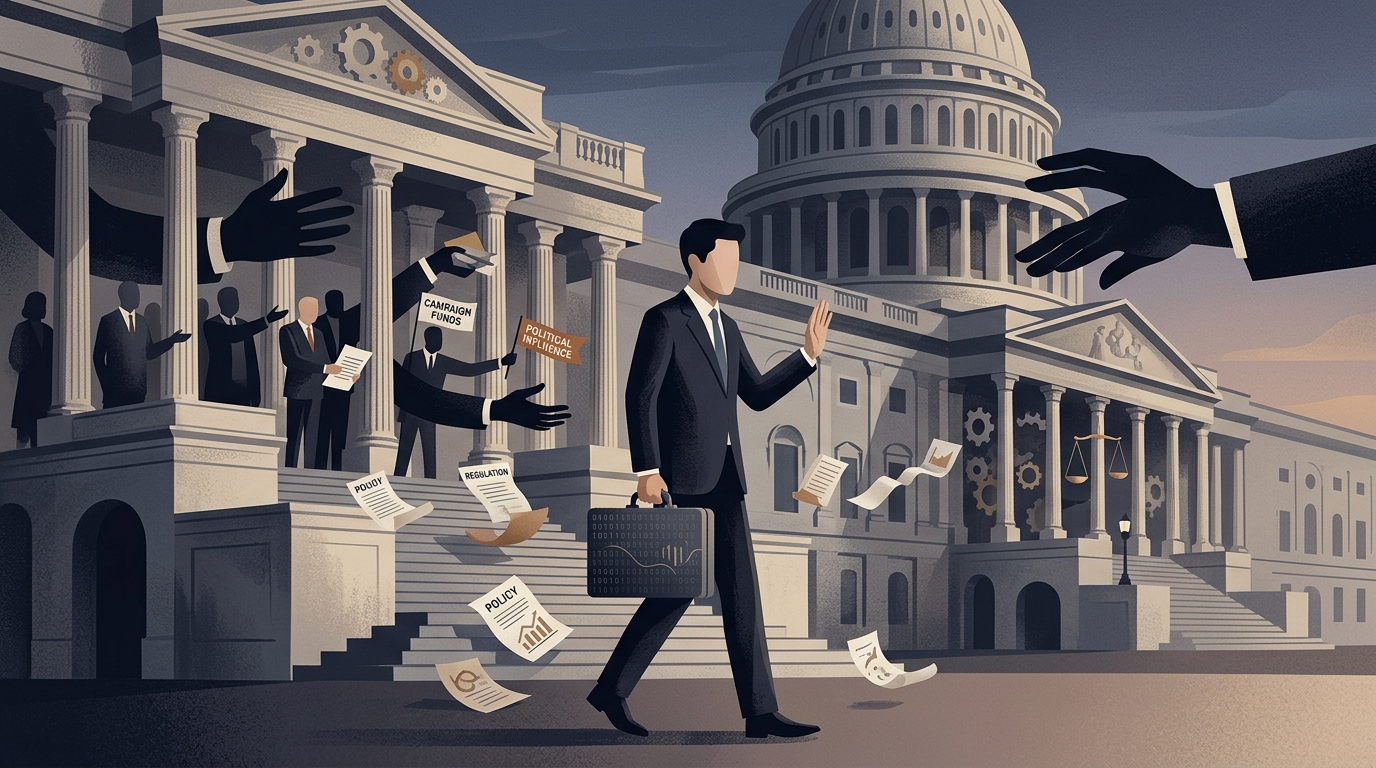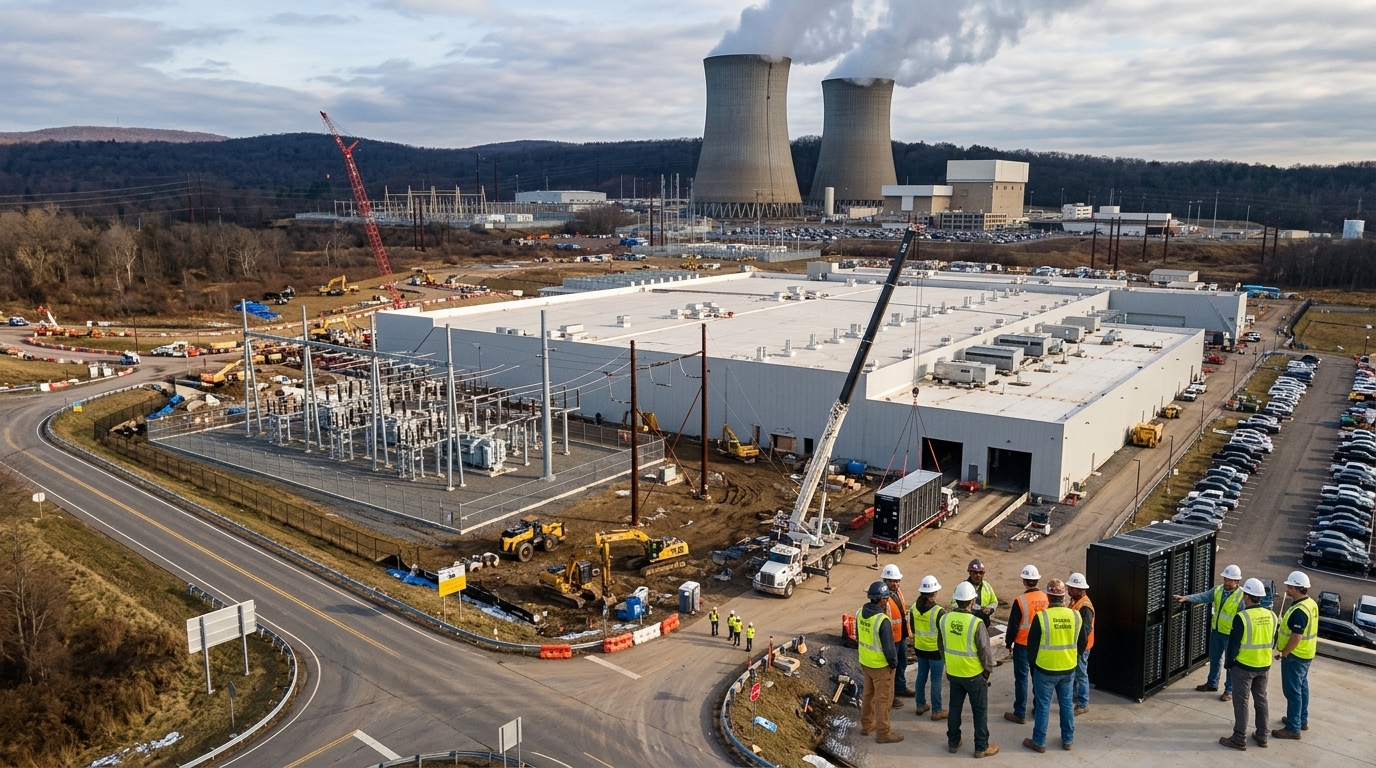
In the heart of the digital revolution, a paradoxical alliance is reshaping the political landscape of the United States and, by extension, the global strategy for Artificial Intelligence (AI) development. Traditionally, labor unions and Silicon Valley giants have stood on opposite sides, divided by ideological differences and long-standing conflicts over workers' rights and automation. However, the pressing need to construct massive data centers—the "cathedrals" of the AI era—has led to a marriage of convenience that few would have predicted a decade ago.
As data center construction accelerates at a pace reminiscent of the industrial revolution, skilled trade unions—including electricians, ironworkers, and pipefitters—are seeing their ranks grow faster than at any point in recent memory. This "new blue-collar class" of technology isn't writing code; they are working with concrete, copper, and advanced cooling systems that keep algorithms alive. This alliance is not merely economic but deeply political, as unions leverage their historical influence to push back against local opposition that often stalls these multi-billion dollar projects.
Overcoming Local Opposition and the NIMBY Movement
One of the greatest bottlenecks for AI expansion isn't a shortage of high-end chips, but rather local resistance. The NIMBY (Not In My Backyard) phenomenon has reached epidemic proportions, with residents protesting the constant hum of cooling fans, the staggering consumption of water, and the immense strain on local power grids. This is where union intervention proves decisive. With decades of experience in local politics and deep ties to city councils, unions are rebranding data centers from "environmental threats" to "middle-class job engines."
In many jurisdictions, union representatives are appearing at public hearings alongside executives from Microsoft, Google, and Amazon, arguing that these projects secure the future of the local workforce. This pressure often forces local officials to reconsider zoning bans, fearing the loss of support from organized labor. It is a strategic pivot that transforms Big Tech from an "impersonal invader" into a "partner in local prosperity."
Training for the 21st Century: The Union Transformation
The scale of these projects is unprecedented. A typical modern data center requires thousands of workers over several years, necessitating highly specialized knowledge in high-voltage networking and sophisticated HVAC systems. Unions are responding by expanding their training centers at record speed. According to labor leaders, the demand for apprenticeships has surged as young workers see AI infrastructure as a stable career path that is unlikely to be automated away in the near future.
- Millions invested in new apprenticeship programs specifically for data center technicians.
- Project Labor Agreements (PLAs) that guarantee union labor in exchange for meeting aggressive construction timelines.
- Development of new safety standards for high-density energy environments.
This evolution creates a new dynamic: workers who once felt threatened by automation are now becoming the architects of the very infrastructure that makes it possible. Big Tech, for its part, is increasingly willing to pay the "union premium," recognizing that project delays due to labor shortages or political hurdles cost far more in lost AI service revenue than the higher wages themselves.
Political Implications and the Future of Work
This alliance is shuffling the political deck. In the U.S., Democrats traditionally rely on labor unions, while Republicans often favor the deregulation that fuels tech growth. Now, we see a convergence where both the "green" and "digital" transitions require a robust industrial base. However, skeptics remain. Some analysts question what happens once the construction phase ends. A data center, despite its massive physical footprint, employs relatively few permanent staff once it is operational.
"We aren't just building buildings; we are building the backbone of the global economy for the next 50 years," says a local leader of an electrical workers' union.
In conclusion, the collaboration between unions and tech giants represents one of the most significant socioeconomic shifts of the 2020s. While suburban residents worry about the aesthetics of their neighborhoods, the workers and engineers of the AI era are forging ahead, proving that in the age of artificial intelligence, the most powerful connections remain human—especially when backed by shared economic interests.