As we navigate through April 2026, medical science is no longer confined to traditional laboratory settings. Artificial Intelligence (AI) has emerged as the central pillar of diagnostic and preventive medicine, offering clarity where uncertainty once reigned. A series of recent reports, highlighted by WKYC, bring to light three seemingly disparate but deeply interconnected fronts: the use of AI to decode Alzheimer’s, the lingering impact of Long COVID on children, and the strategic importance of flu vaccinations within military forces.
The Digital Revolution in Alzheimer’s Prognosis
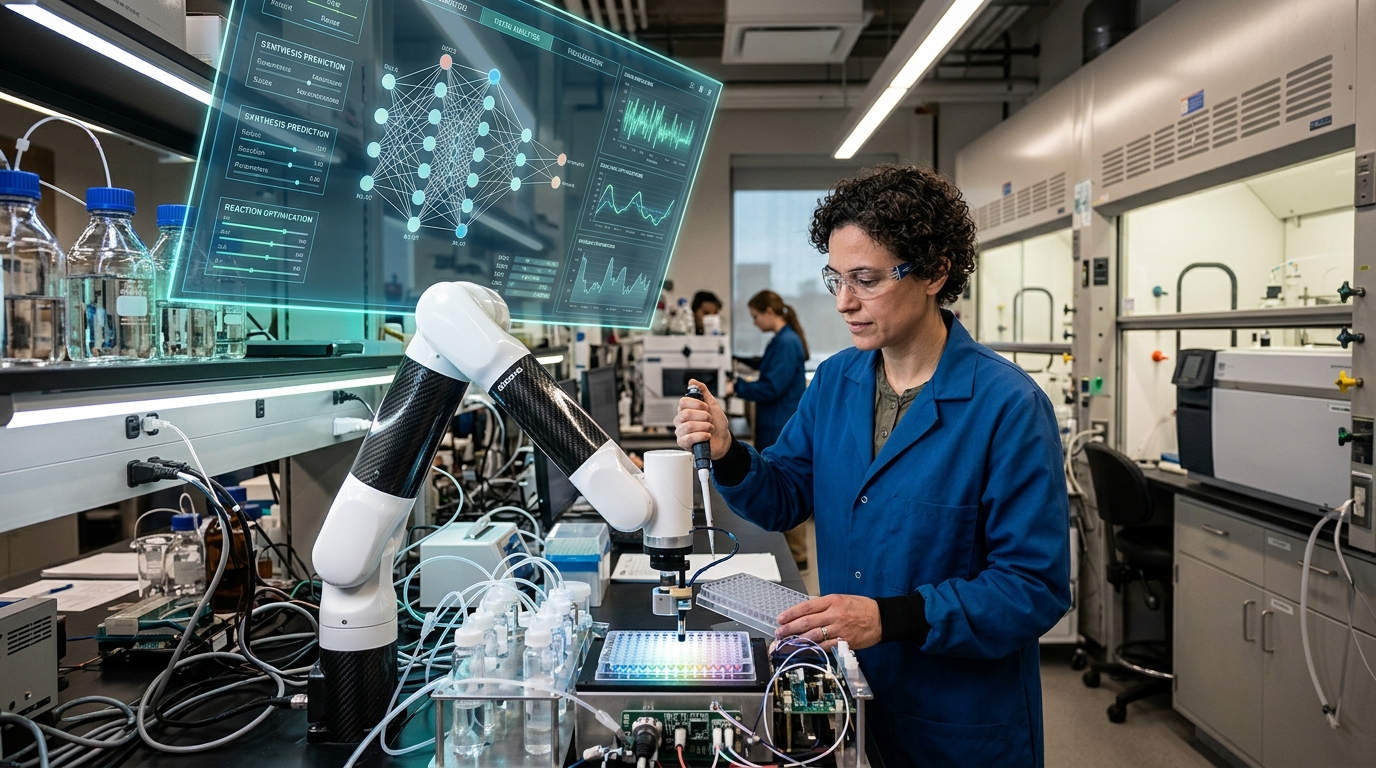
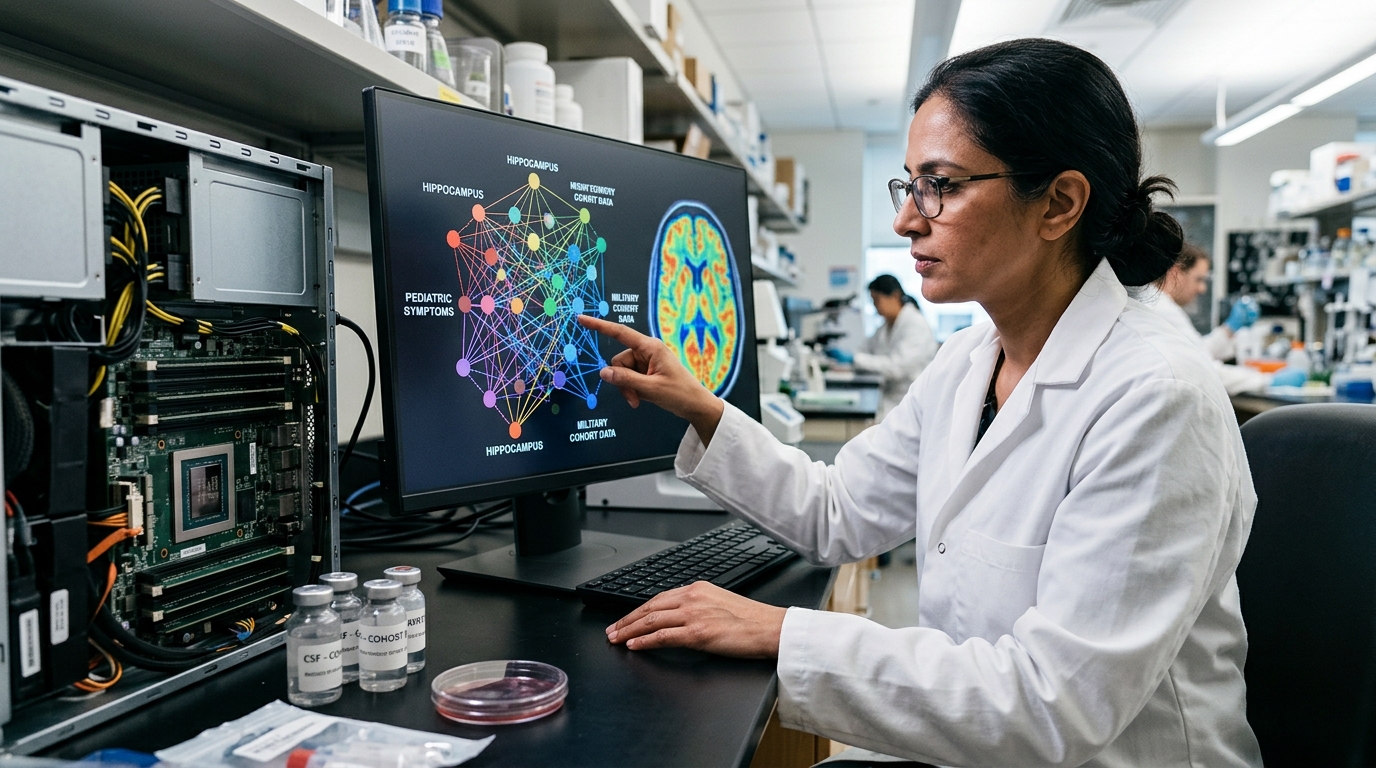
Alzheimer’s disease remains one of the most complex puzzles in modern medicine. However, the integration of deep learning models is fundamentally shifting the landscape. Researchers are now deploying algorithms capable of analyzing thousands of MRI scans and blood biomarkers in seconds, identifying subtle structural changes in the brain up to a decade before clinical symptoms manifest.
According to recent updates, AI is not just searching for the disease; it is attempting to map the "architecture of forgetfulness." By analyzing speech patterns and syntax, specialized software can predict cognitive decline with an accuracy rate exceeding 90%. This early intervention is paramount, as new therapies released in 2025 and 2026 are most effective when administered during the prodromal stages of the disease. The challenge now shifts from a technical one to an ethical one: how do we manage the psychological burden of knowing a diagnosis before the symptoms even appear?
Long COVID in Children: The Silent Struggle
While the acute phase of the COVID-19 pandemic is a memory for most, its shadows persist in the younger generation. Studies into "Long COVID" in pediatric populations reveal that symptoms—such as chronic fatigue, brain fog, and sleep disturbances—are significantly more prevalent than initially estimated. AI plays a crucial role here as well, helping pediatricians distinguish the virus's long-term effects from other developmental or psychological disorders.
"This is not merely a prolonged recovery; it is a fundamental shift in how the pediatric immune system interacts with the nervous system," medical experts note.
The analysis of big data from pediatric clinics worldwide allows for the creation of personalized rehabilitation protocols. Understanding Long COVID is essential to preventing a public health and educational crisis in the coming years, as affected children often struggle to maintain their academic performance and social engagement.
Military Health: A Proving Ground for Global Safety
Another compelling aspect of recent medical discourse involves flu vaccination protocols within the military. Historically, the armed forces have served as a microcosm for epidemic management in congregate settings. The rigorous adherence to vaccination schedules and the implementation of next-generation mRNA seasonal shots provide invaluable real-time data on vaccine efficacy.
Military medical research often acts as a precursor to civilian health breakthroughs. The data harvested from service members—conducted under strict bioethical oversight—assists in developing more robust vaccines that cover a broader range of viral strains. In an era of rapid global transit, a fortified military health system serves as the first line of defense for the general public.
Conclusion: The Path Forward
The convergence of these topics underscores a new reality: health is a unified ecosystem. The AI developed to detect Alzheimer’s can be adapted to analyze the neurological fallout of COVID, while military immunization strategies shape global viral defense policies. The primary challenge for 2026 and beyond remains equitable access. As science leaps forward, its true success will be measured by whether these innovations reach every child and every elderly citizen, regardless of their socioeconomic status.