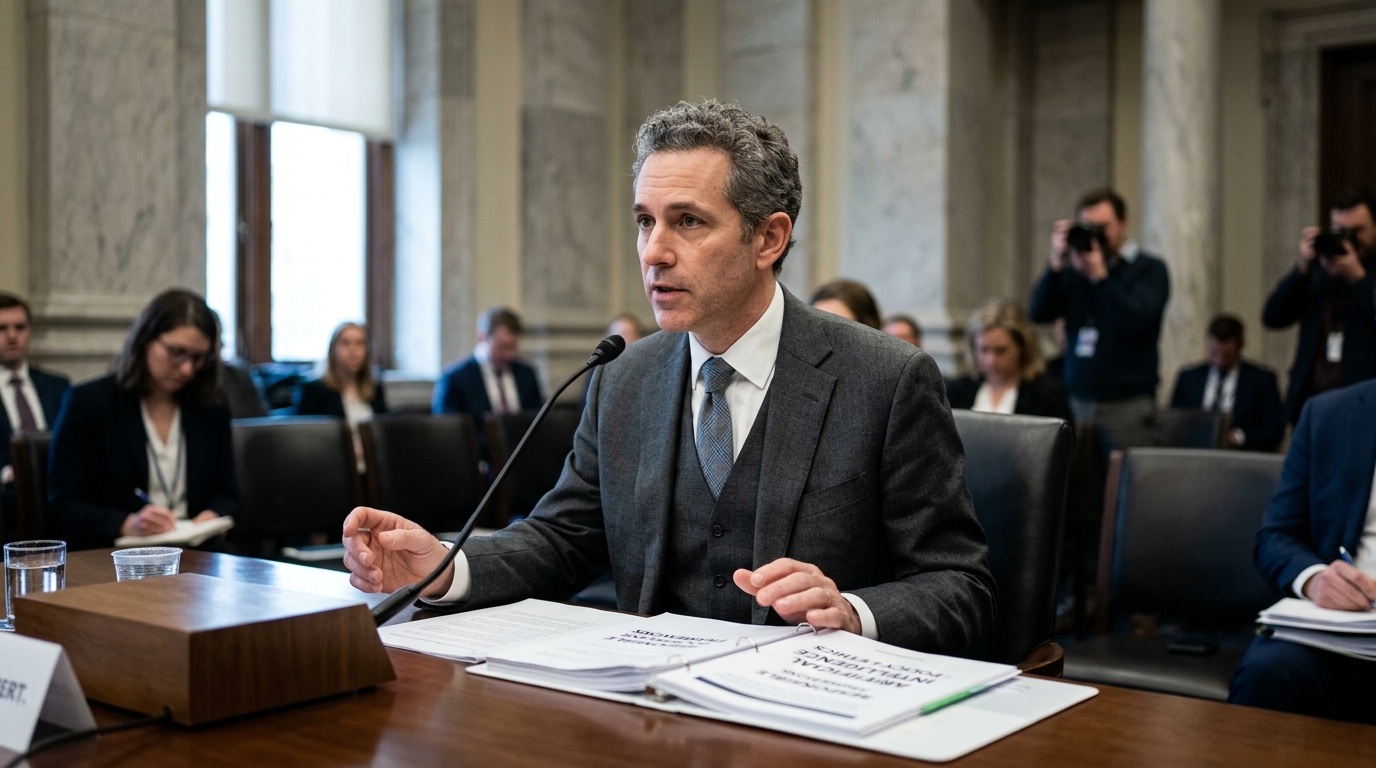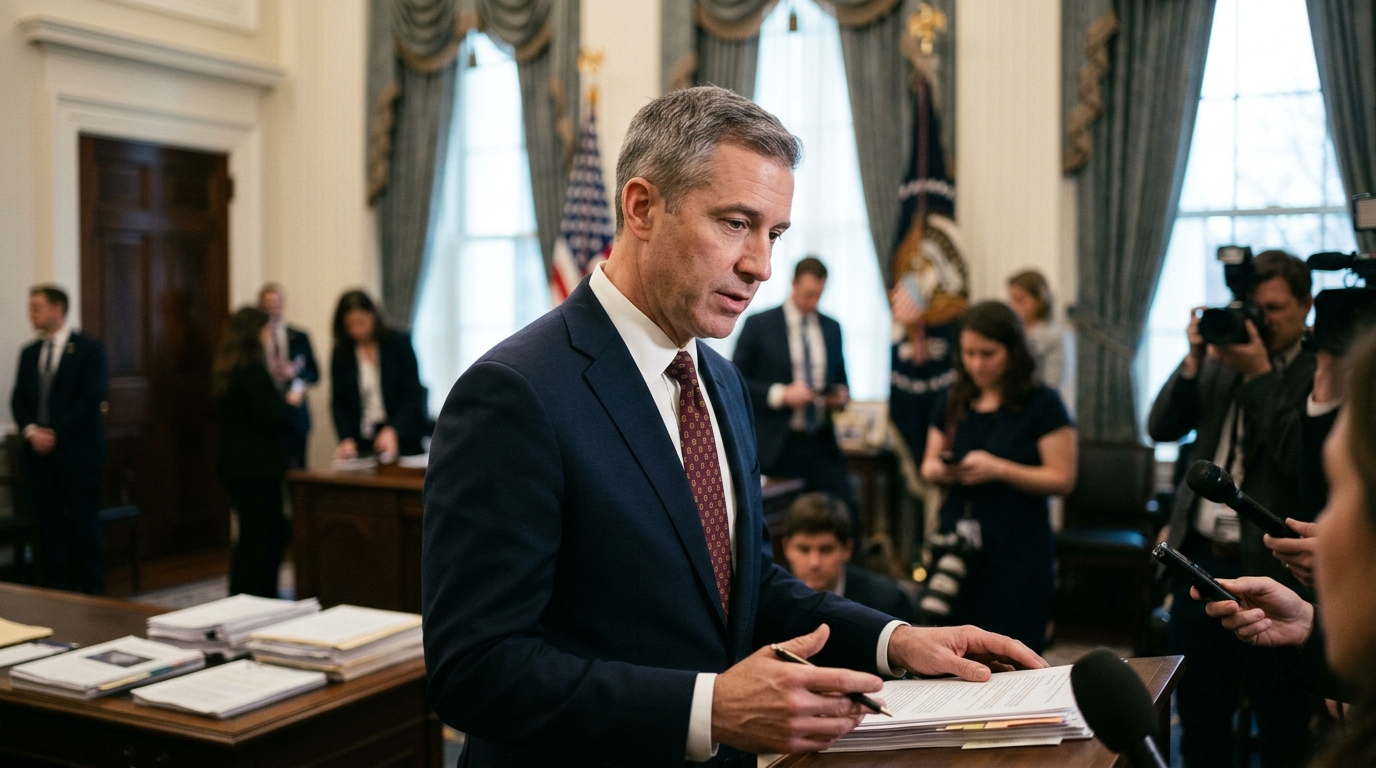
In a move described as a landmark for 21st-century digital governance, the White House has issued a comprehensive Executive Order aimed at steering the development of advanced Artificial Intelligence (AI). As we navigate the midpoint of 2026, the necessity for a robust regulatory framework has never been more pressing. The order is not merely a list of restrictions but a strategic roadmap seeking to ensure that the United States remains at the forefront of innovation while fortifying national security and civil rights.
Security as a Pillar of Innovation
The new decree places unprecedented emphasis on the concept of 'red-teaming'—the rigorous testing of AI systems by independent entities to identify risks before public release. Companies developing models with massive computational power are now required to share their safety test results with the government. This requirement stems from fears that unchecked AI could be weaponized to create biological agents, execute large-scale cyberattacks, or undermine democratic processes through sophisticated deepfakes.
Of particular significance is the invocation of the Defense Production Act, which allows the government to demand transparency from tech companies on matters pertaining to national defense. This marks a shift from the era of Silicon Valley self-regulation to an era of active state oversight, where technological progress is viewed as an inseparable component of national power.
Protecting Privacy and Civil Rights
Beyond national security, the order focuses on individual protection. In a world where data is the 'new oil,' the White House calls for the creation of new standards for privacy protection, especially regarding AI use by federal agencies. There is explicit mention of preventing algorithmic discrimination, ensuring that AI is not used to perpetuate biases in housing, employment, or the justice system.
- Development of Privacy-Enhancing Technologies (PETs).
- Creation of watermarking systems to identify AI-generated content.
- Strengthening audits to avoid bias in algorithms affecting citizens' lives.
The administration recognizes that public trust is essential for technology adoption. Without clear rules protecting the average citizen, a backlash against AI could stifle the economic growth promised by this new industrial revolution.
The Global Chessboard and Talent Attraction
The order is not confined within domestic borders. Recognizing that competition with China and other powers is fierce, the US seeks to make its soil the most attractive destination for the world's leading scientists. Changes to visa processes are proposed to facilitate the relocation of experts in AI and quantum computing.
"Leadership in AI is not just about who has the fastest processors, but who can build the most secure and ethical ecosystem," states a National Security Council official.
In conclusion, the 2026 Executive Order represents an attempt to square the circle: promoting rapid innovation without sacrificing safety. It is a bet that democratic governance can keep pace with the speed of technology, creating a model that other nations might follow in their quest to harness the power of Artificial Intelligence.