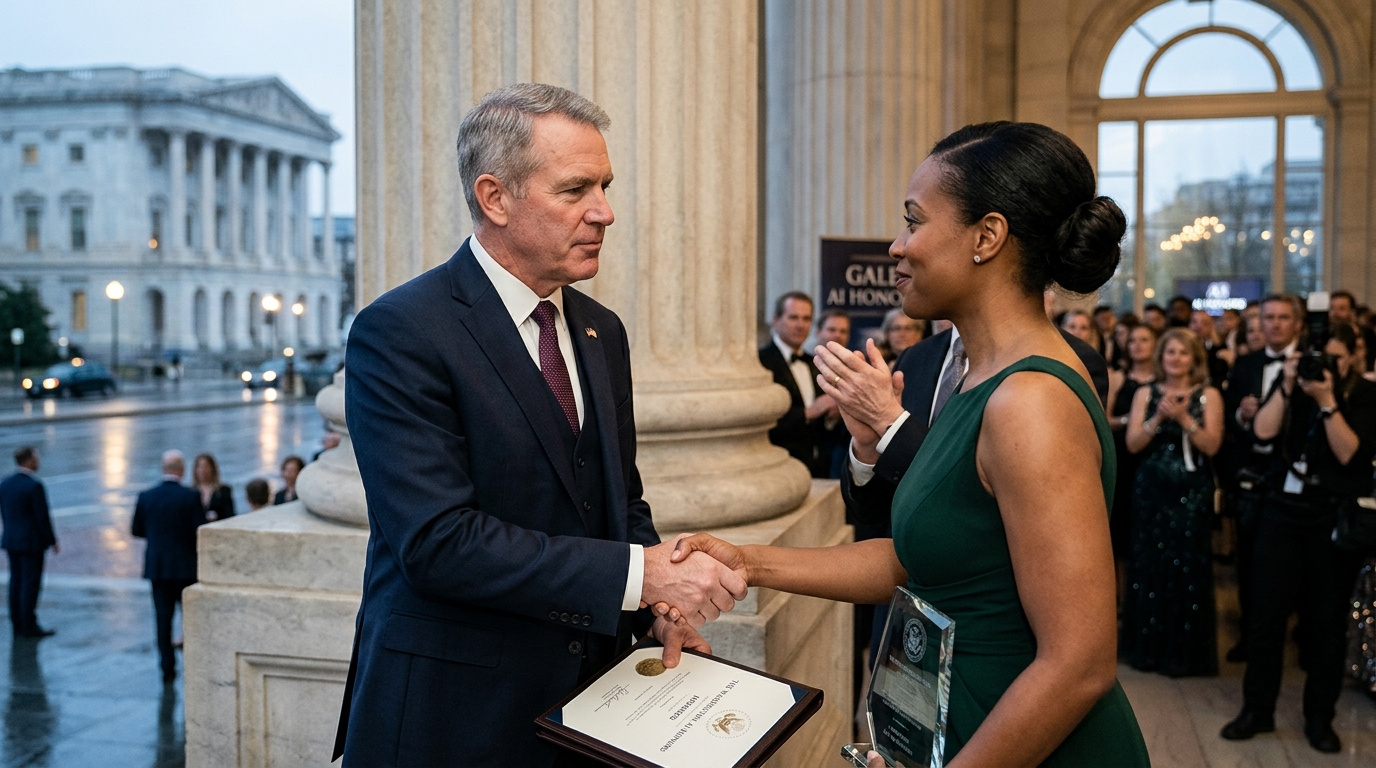
Washington D.C. is no longer just the city of political maneuvering and diplomacy; it has become the de facto regulator of the global digital destiny. The recent AI Honors Gala, hosted by the Washington AI Network, was not merely a social event but a resounding statement of intent. In the hall where seven of America’s preeminent AI leaders gathered, the atmosphere did not resemble a tech conference, but rather a summit on national security and 21st-century economic sovereignty.
This event comes at a critical juncture. As 2026 unfolds, the conversation surrounding Artificial Intelligence (AI) has shifted from the capabilities of large language models to the necessity of an institutional framework that ensures technology serves national interests. The Washington AI Network, under the guidance of Tammy Haddad, has successfully built a bridge of communication between the engineers of Silicon Valley and the lawmakers of the District of Columbia—a relationship historically characterized by mutual suspicion.
The Strategic Convergence of Policy and Innovation
The seven honorees of the evening represent a broad spectrum of American power. From academics who laid the foundations of machine learning to government officials who drafted the first blueprints for AI ethics, the selection of individuals reflects a holistic approach. Honoring figures such as Senator Todd Young and Arati Prabhakar of the Office of Science and Technology Policy (OSTP) underscores that AI is no longer a "product" but a pillar of statecraft.
In their acceptance speeches, the honorees emphasized the concept of "democratic primacy" in the technological field. Concerns regarding the rise of authoritarian AI models from abroad were palpable. Washington appears to realize that the battle for AI supremacy is not just about the profits of Nasdaq-listed firms, but about the ability of democratic institutions to remain functional in a world of automated disinformation and cyber threats.
Beyond the Red Carpet: The Geopolitics of Algorithms
The significance of this gala extends far beyond the presentation of awards. In the side conversations of the event, the dominant theme was the implementation of the Executive Order on Safe, Secure, and Trustworthy AI. Industry leaders and politicians discussed the need to accelerate investment in semiconductor infrastructure and to attract the world's top minds to the United States. AI is now treated as the "new gold," and Washington is the vault that must protect it.
Furthermore, the event highlighted the role of public-private partnerships. The seven honorees did not hail solely from the government but also from civil society and entrepreneurship, proving that AI governance requires a multilateral approach. The presence of defense industry representatives alongside bioethics experts demonstrated the complexity of the challenges facing today’s leadership.
The Future of Regulation and International Influence
As the U.S. attempts to establish its own regulatory model, its gaze is also fixed on Europe. The EU’s AI Act serves as a benchmark, but Washington seeks a more "innovation-friendly" approach that does not stifle entrepreneurship. The gala functioned as a platform to showcase this American "soft power," sending the message that leadership in AI requires both an ethical compass and technological superiority.
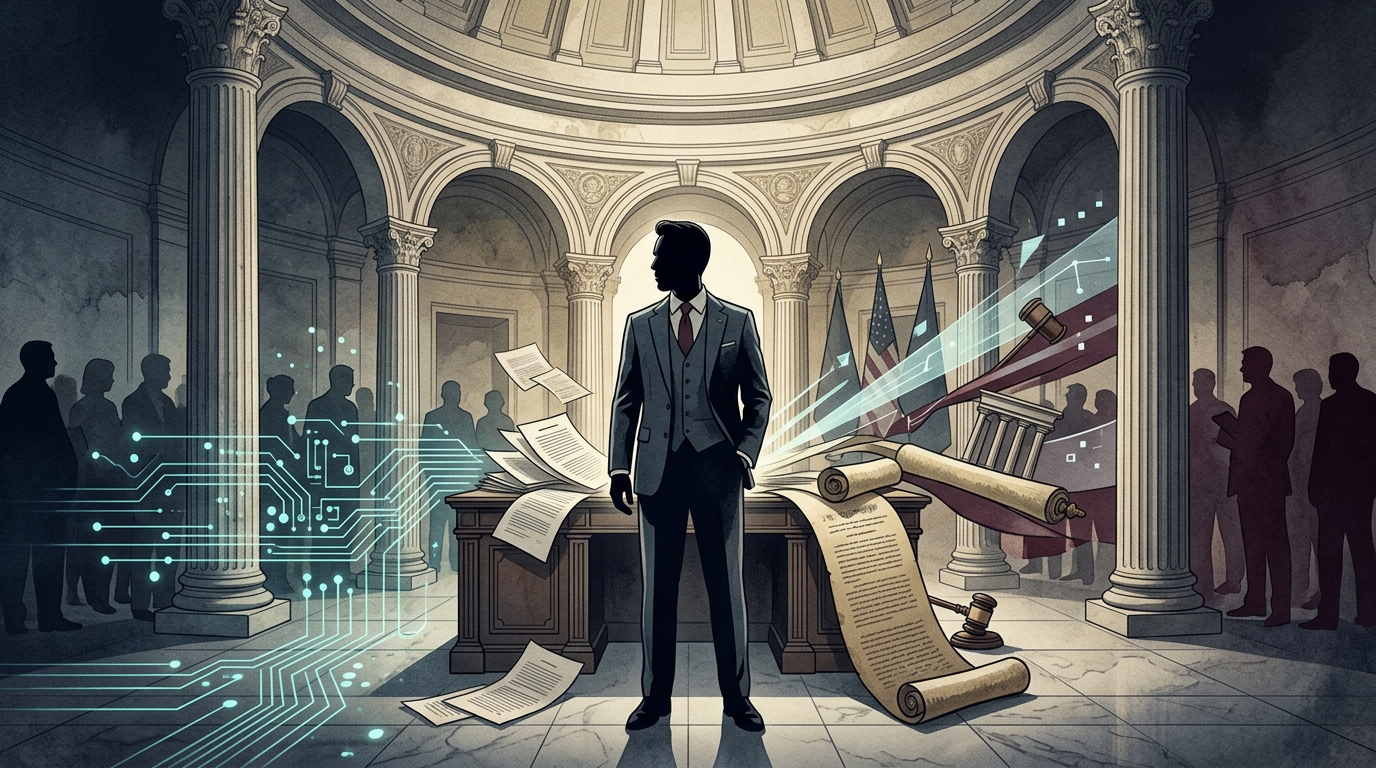
In conclusion, the Washington AI Network’s AI Honors Gala marks the end of the "Wild West" era for technology. Artificial Intelligence has now "come of age" and taken its seat at the formal tables of power. The remaining question is not whether AI will be regulated, but who will hold the pen when the rules of the future are signed. The evening in Washington showed that the U.S. is determined to be the one to write the first chapter of this new global history.
"Artificial Intelligence is not a niche sector of our economy; it is the new substrate upon which our entire civilization will be reorganized." — Reflection from the Gala proceedings.