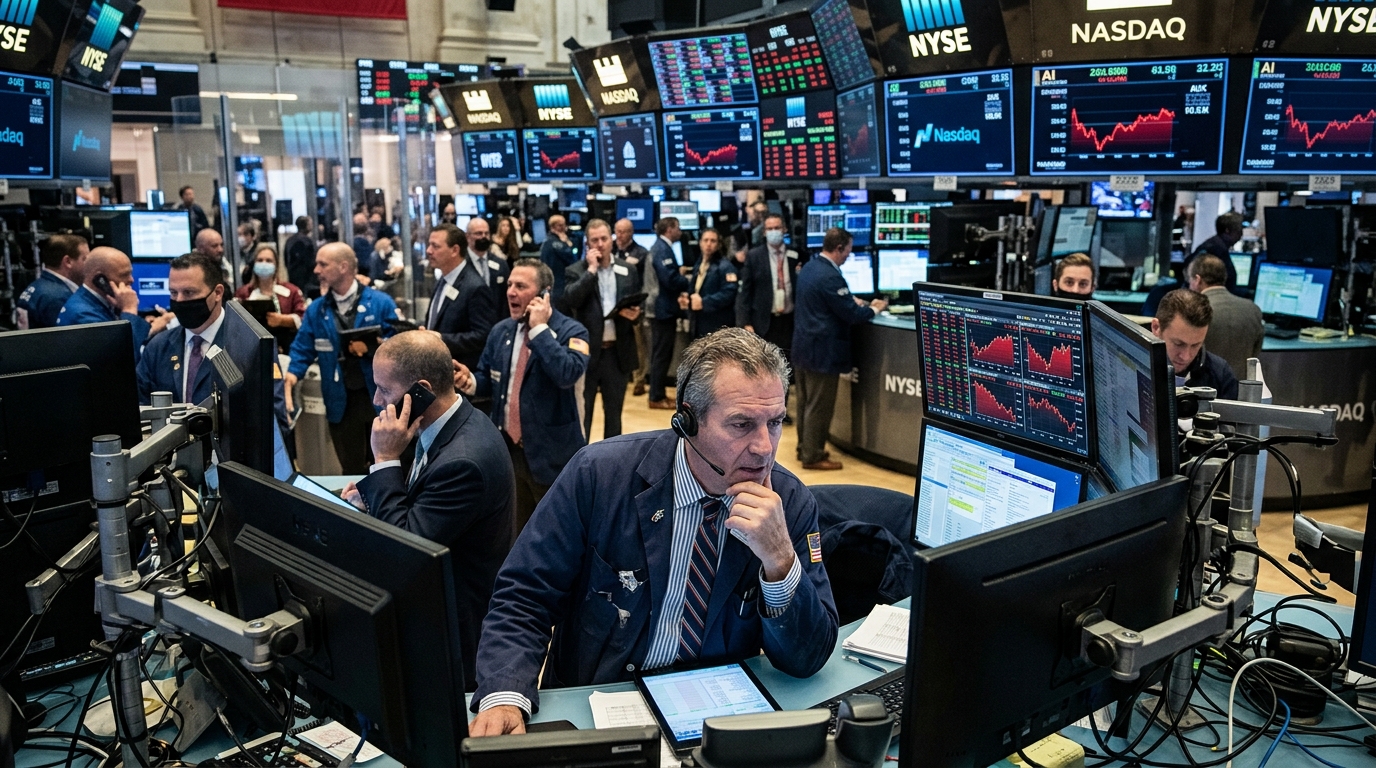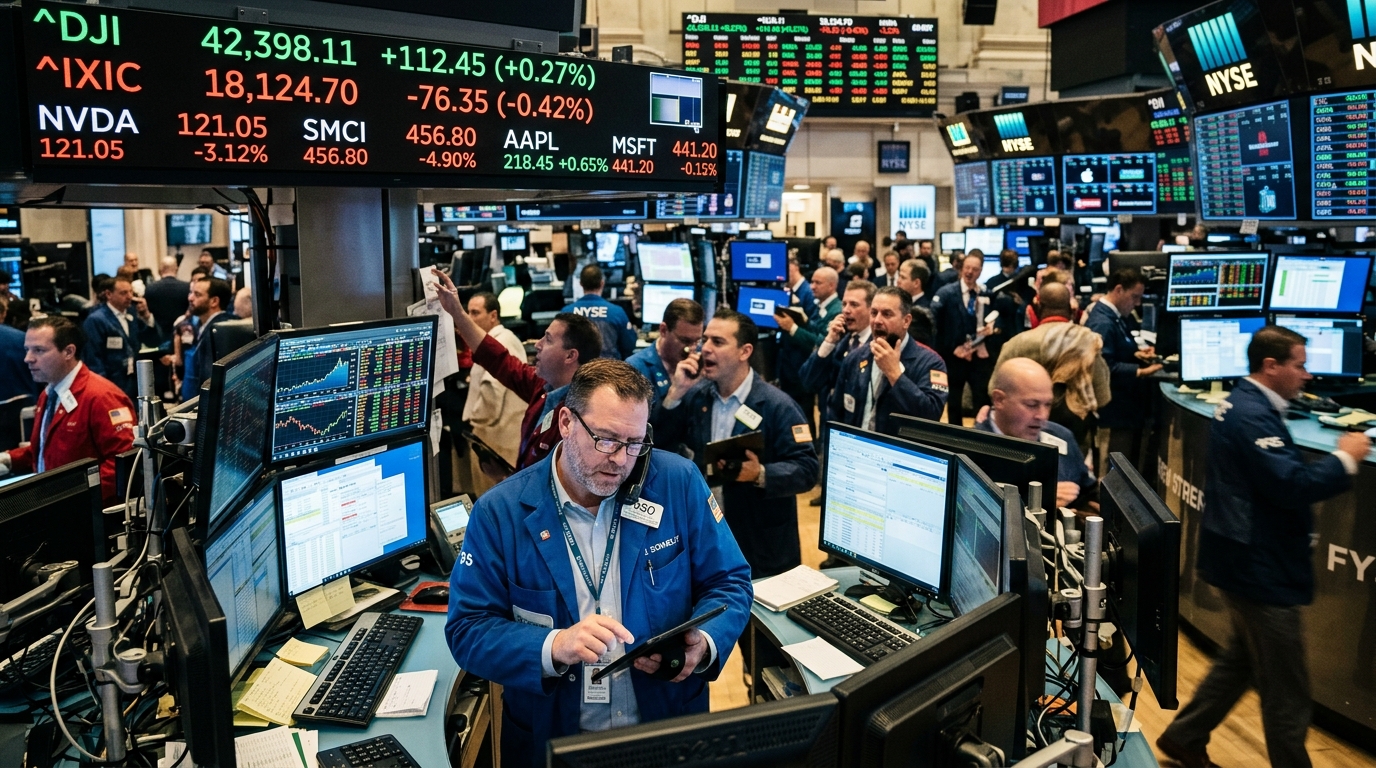
The current state of Wall Street resembles a high-stakes chess match where the players have decided to pivot their strategy mid-game. While the Dow Jones Industrial Average surged to record-breaking levels, the market displayed a stark internal divide. On one side, the "old guard" of the economy—banks, energy firms, and industrial giants—became the primary targets for buyers. On the other, the tech sector, specifically the semiconductor companies that have been the vanguard of the market’s rally for two years, faced significant selling pressure, capping the gains for the Nasdaq and the S&P 500.
The Great Rotation: From Silicon to Steel
What we are witnessing in recent trading sessions is what analysts term "The Great Rotation." Investors, increasingly wary of the sky-high valuations attached to Artificial Intelligence (AI) pioneers, appear to be migrating capital toward safer, more traditional sectors. The Dow Jones, comprised of 30 of America’s most iconic blue-chip companies, has been the primary beneficiary of this trend. Investors are seeking dividends and stability in an environment where interest rates remain elevated, despite persistent hopes for a Federal Reserve pivot.
The semiconductor selloff is far from accidental. After a breakneck rally that saw Nvidia and its peers reach multi-trillion dollar market caps, the market is now demanding tangible evidence that AI investments are translating into bottom-line profits across the broader economy. Today’s retreat in chip stocks reflects investor fatigue and growing concerns regarding potential new export restrictions on technology to China—a move that could severely disrupt the revenue streams of major manufacturers.
The Role of Inflation and the Federal Reserve
Market dynamics are being heavily dictated by the latest macroeconomic data. US inflation figures show signs of cooling, yet the pace is more sluggish than the Fed would prefer. This creates a complex puzzle for the central bank. If the Fed delays interest rate cuts, tech stocks—which rely heavily on future borrowing for growth—will continue to face headwinds. Conversely, the banks within the Dow Jones benefit from the higher net interest margins provided by the current rate environment.
- Regional bank stocks saw a lift as systemic risk fears continued to dissipate.
- The healthcare sector showed resilience, acting as a defensive play for conservative portfolios.
- Energy stocks were bolstered by a slight uptick in crude prices, providing further support to the industrial average.
The AI Bubble: Correction or Collapse?
The overarching question looming over Wall Street is whether the recent chip selloff constitutes a healthy correction or the beginning of an AI bubble burst. Many analysts argue that the market had priced in excessively optimistic growth scenarios. "You cannot have a sustainable bull market that relies on only five stocks," noted a senior investment strategist. The broadening of the rally into other sectors is generally viewed as a positive sign for the long-term health of the stock market, even if it entails short-term stagnation for the tech-heavy Nasdaq.
In conclusion, today’s session serves as a milestone. The Dow’s record high indicates that the US economy maintains its fundamental resilience despite ongoing challenges. However, the semiconductor slump serves as a potent reminder that technology is not immune to the fluctuations of the economic cycle. The strategy of diversification is returning to the forefront, as capital seeks a balance between the innovation of the future and the profitability of the present.