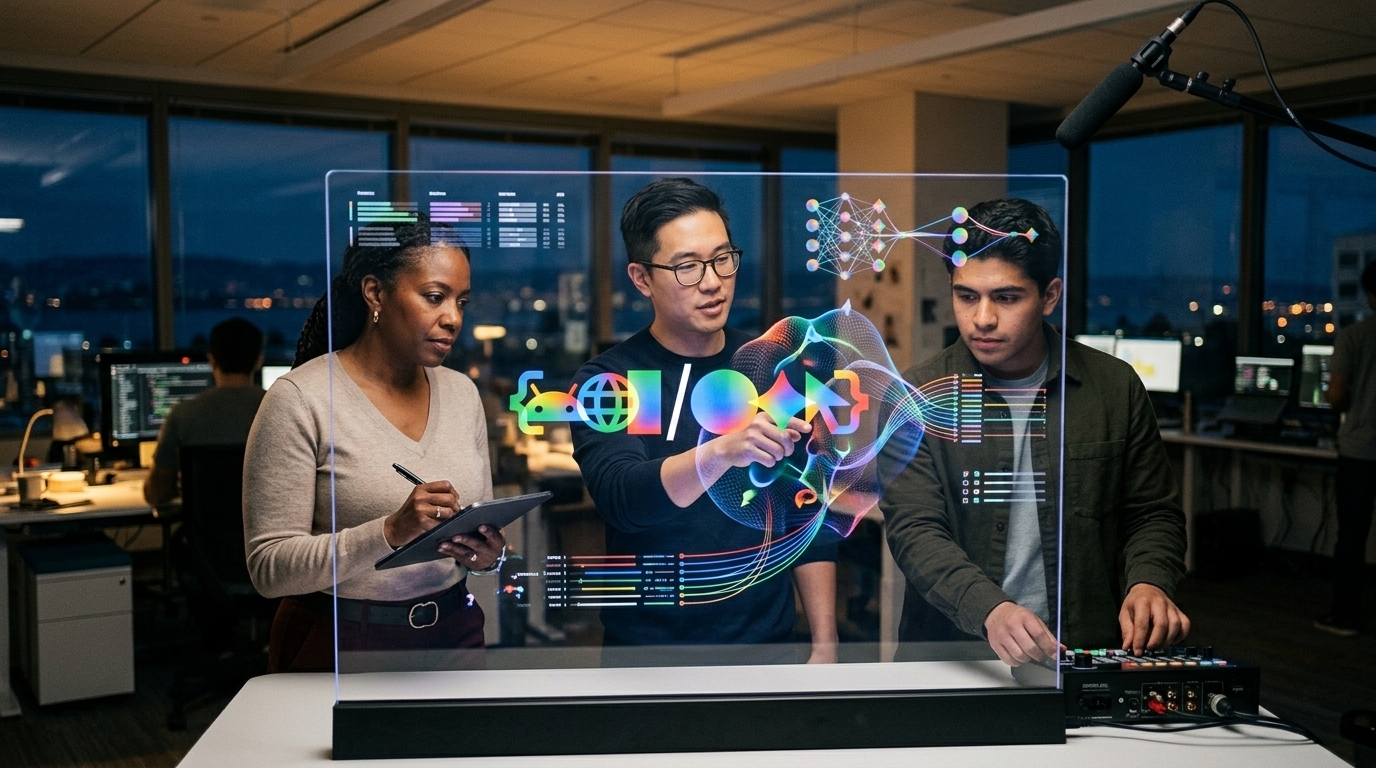
The era of the programmer who merely "writes code" is drawing to a close, and this is not necessarily a grim prediction, but an inevitable evolution. Kelsey Hightower, a former Distinguished Engineer at Google and one of the most respected voices in the cloud computing world, has hit the nail on the head. In a recent analysis, he argued that Artificial Intelligence (AI) is not a threat to the software engineering profession as a whole, but to those who have limited their value exclusively to the act of writing syntax.
In today's 2026 technological landscape, where AI models can generate complex functions, fix bugs, and refactor legacy code into modern languages in seconds, the skill of "typing" is losing its market value. Hightower emphasizes that code has always been the means, not the end. The real challenge, and where human intelligence remains irreplaceable, lies in system design, understanding business requirements, and solving problems that haven't even been clearly articulated yet.
The Commoditization of Logic
For decades, learning a programming language like Python or Java was considered the "golden ticket" to the job market. However, AI has democratized this knowledge to such an extent that syntax is now considered a "commodity." Just as the calculator did not replace mathematicians but freed them from tedious calculations, AI frees the engineer from the drudgery of implementation.
The problem begins for those we might call "code monkeys" — individuals who can implement a specification but cannot question or improve it. Hightower explains that if your only skill is turning instructions into code, then you are in direct competition with an algorithm that doesn't get tired, doesn't ask for a raise, and doesn't make syntax errors. Value is now shifting from the "how" to the "why."
The Engineer as Architect and Strategist
The new hierarchy in the tech industry favors those Hightower calls "systems thinkers." These professionals don't just see a database or an API; they understand how these components interact to create value for the end-user. The ability to navigate ambiguity, manage stakeholder expectations, and foresee the future needs of a system are skills that AI, for now, is unable to fully simulate.
- System Design: The ability to build scalable and resilient architectures.
- User Empathy: Understanding the pain points the software is intended to solve.
- Complexity Management: Knowing when it is better NOT to write code.
According to Hightower, the greatest efficiency offered by AI is not the speed of writing, but the ability to experiment rapidly with different architectural solutions before settling on the ideal one. The engineer of the future acts more like an orchestral conductor than a solo instrumentalist.
The End of the Junior Developer?
One of the most concerning aspects of this transition is the fate of new entrants to the field. If AI can do the work of a junior developer, how will young professionals gain the experience necessary to become seniors? Hightower's answer is radical: We must change the way we teach computer science. The focus must shift from syntax to logic and systems theory from day one.
The companies that will triumph in the AI era are not those that fire their programmers to replace them with bots, but those that train their staff to use AI as a "force multiplier." Code is now the cheapest part of software; thought remains the most expensive.
Conclusion: A Return to Roots
Kelsey Hightower's intervention serves as a reminder that technology, at its best, is a tool for enhancing human creativity. Those who fear AI are often those who forgot that computer science is a problem-solving discipline, not a typing exercise. At the end of the day, AI will write the code, but humans will still have to decide which problems are worth solving.