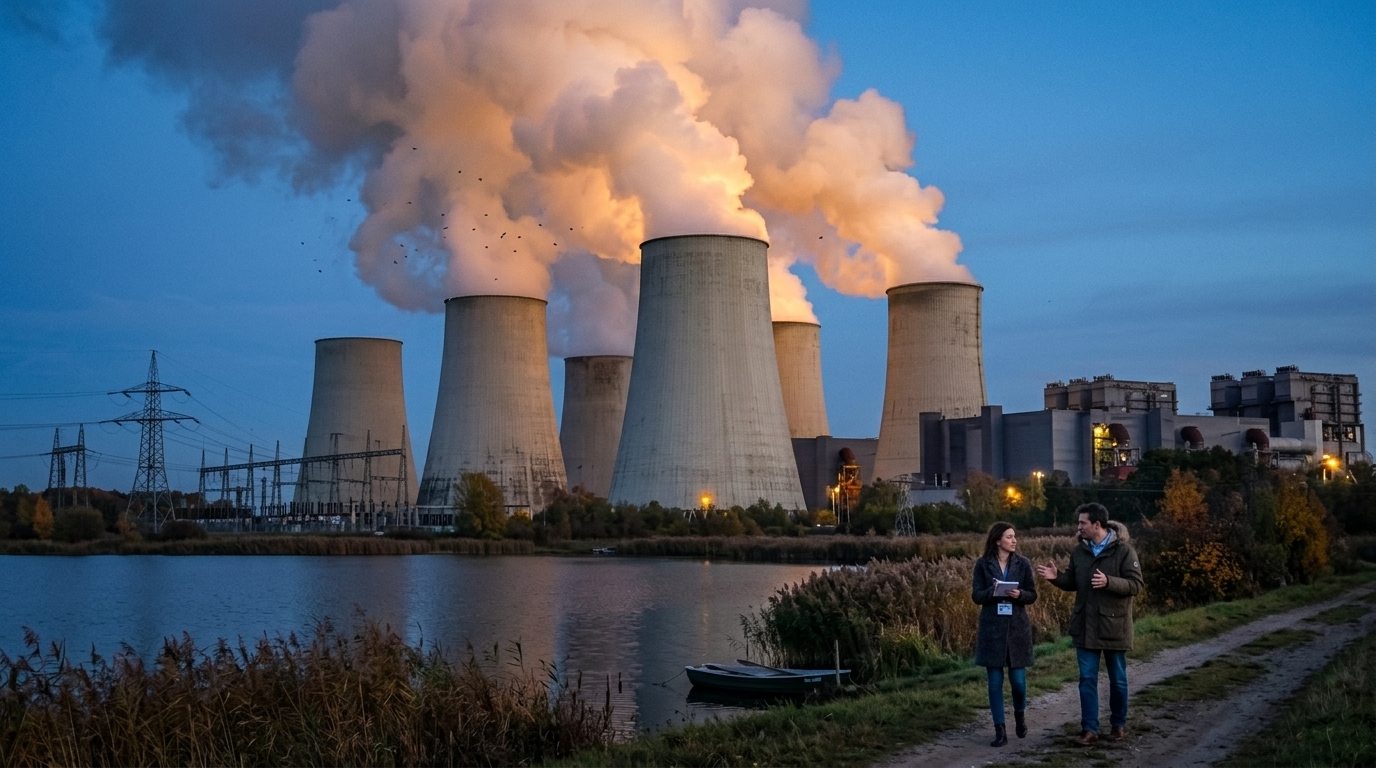
The global community stands at a critical crossroads. While declarations for 'Net Zero' are proliferating, the distance between commitments and actual implementation —the so-called Net Zero Gap— is widening dangerously. The transition to climate neutrality has long ceased to be an abstract environmental pursuit. Today, it represents a complex economic and industrial gamble that will determine the winners and losers of the global economy for the next century.
The Reality of Numbers and the Investment Gap
According to recent analyses, the investments required to meet 2050 targets are colossal. However, the problem is not just a lack of capital, but its allocation. Despite the rise of Renewable Energy Sources (RES), investments in grid infrastructure, energy storage, and carbon capture technologies fall significantly short of what is needed. The delay in adopting these technologies creates 'greenflation,' as demand for critical metals and materials outstrips supply.
In Europe, the Green Deal strategy is being tested by the energy crisis and the necessity for industrial survival. The cost of inaction is now measurable: every year that systematic decarbonization is delayed, the cost of future interventions increases exponentially. It is not just the cost of natural disasters, but the cost of 'stranded assets' — infrastructure that will become obsolete before the end of its economic life.
The Geopolitics of the Green Transition
The transition does not occur in a vacuum. China currently leads in the production of solar panels and batteries, while the US, through the Inflation Reduction Act (IRA), offers massive subsidies to attract green investments. Europe, and by extension Greece, must find their own place on this new map. For the Greek economy, the challenges are twofold: the need for rapid decarbonization of shipping and tourism, and the opportunity to become an energy hub for Mediterranean green power.
"Delaying action is not merely an environmental failure; it is a strategic economic defeat that mortgages the competitiveness of future generations."
The real cost of delay also includes the loss of expertise. Countries that invest first in the technologies of tomorrow —such as green hydrogen and AI for grid optimization— will be those exporting solutions rather than importing them.
The Role of AI in Bridging the Gap
This is precisely where technology enters as a catalyst. Artificial Intelligence (AI) can play a decisive role in narrowing the Net Zero Gap. Through predictive analytics, AI can improve the efficiency of wind and solar farms, manage energy demand in real-time, and accelerate the discovery of new materials for more efficient batteries. The digitalization of energy is no longer a luxury but a prerequisite for sustainability.
- Optimization of supply chains to reduce carbon footprint.
- Smart Grids integrating decentralized energy sources.
- Automated emissions monitoring for transparency and accountability.
In conclusion, the Net Zero Gap is not an insurmountable obstacle but a distress signal. The transition requires political will, but above all, it requires a radical rethink of how we perceive economic growth. Delay is the most expensive choice we can make.