In a move that has sent ripples through Washington’s political circles and Silicon Valley’s tech corridors, Sam Altman, the face of the generative AI revolution, has announced he does not intend to financially participate in the upcoming 2026 US midterm elections. This decision comes at a critical juncture, with control of Congress hanging in the balance and tech legislation reaching a fever pitch.
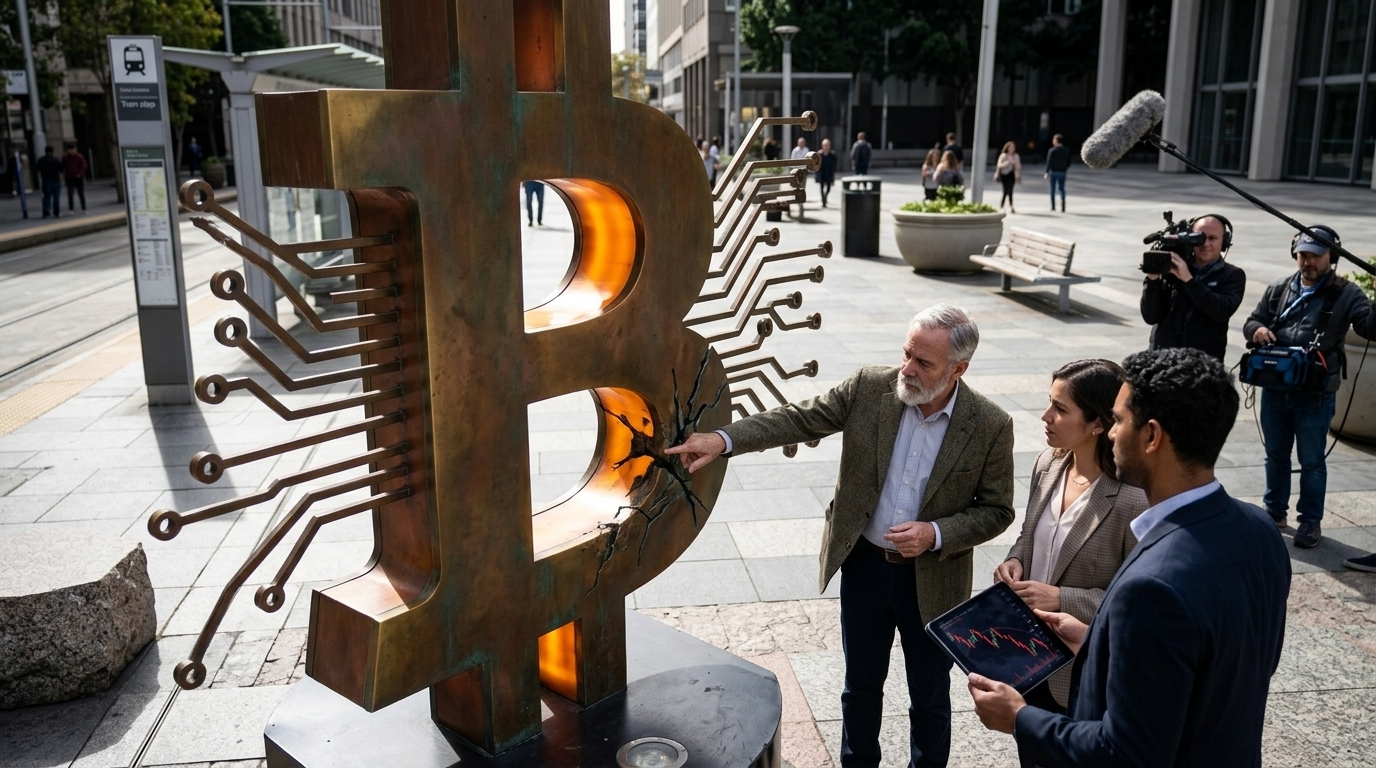
While other tech titans, such as the founders of Andreessen Horowitz and the Winklevoss twins, have already committed tens of millions of dollars to Super PACs to sway the election results, Altman is choosing a path of "strategic neutrality." This stance is not merely a personal financial choice; it is a profound political maneuver reflecting OpenAI’s evolving position as a global institution.
The Strategy of Bipartisan Preeminence
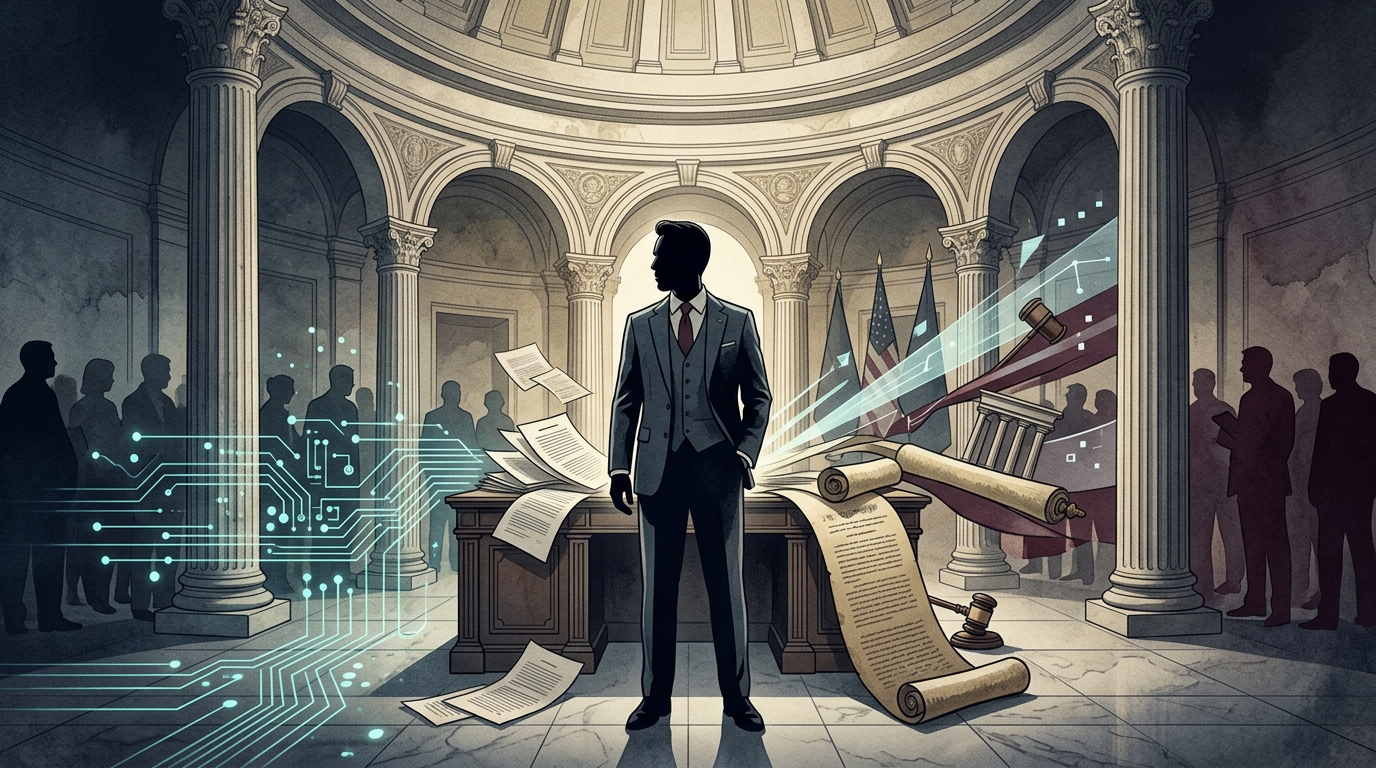
For Sam Altman, engaging in partisan brawls carries significant risks. OpenAI is no longer a startup seeking attention; it is a systemic player in dialogue with governments worldwide. Funding one party could alienate the other at a time when AI legislation requires broad consensus. By remaining outside direct campaign financing, Altman maintains his persona as the "AI diplomat," someone who can be welcomed in both the Oval Office and the offices of Republican leadership.
Furthermore, the ghost of the past—specifically the case of Sam Bankman-Fried, whose massive political donations became a liability for the crypto industry following the collapse of FTX—serves as a cautionary tale. Altman seems to understand that true power in Washington isn’t always bought with checks to candidates, but by shaping the agenda through technological dominance and institutional lobbying.
Contrasting the New Silicon Valley Right
Altman’s decision puts him in direct contrast with a new generation of investors and entrepreneurs embracing "techno-optimism" and "effective accelerationism" (e-acc). These players view the 2026 elections as the last chance to halt what they call the "regulatory strangulation" of innovation. For them, funding candidates who oppose strict AI regulation is a matter of survival.
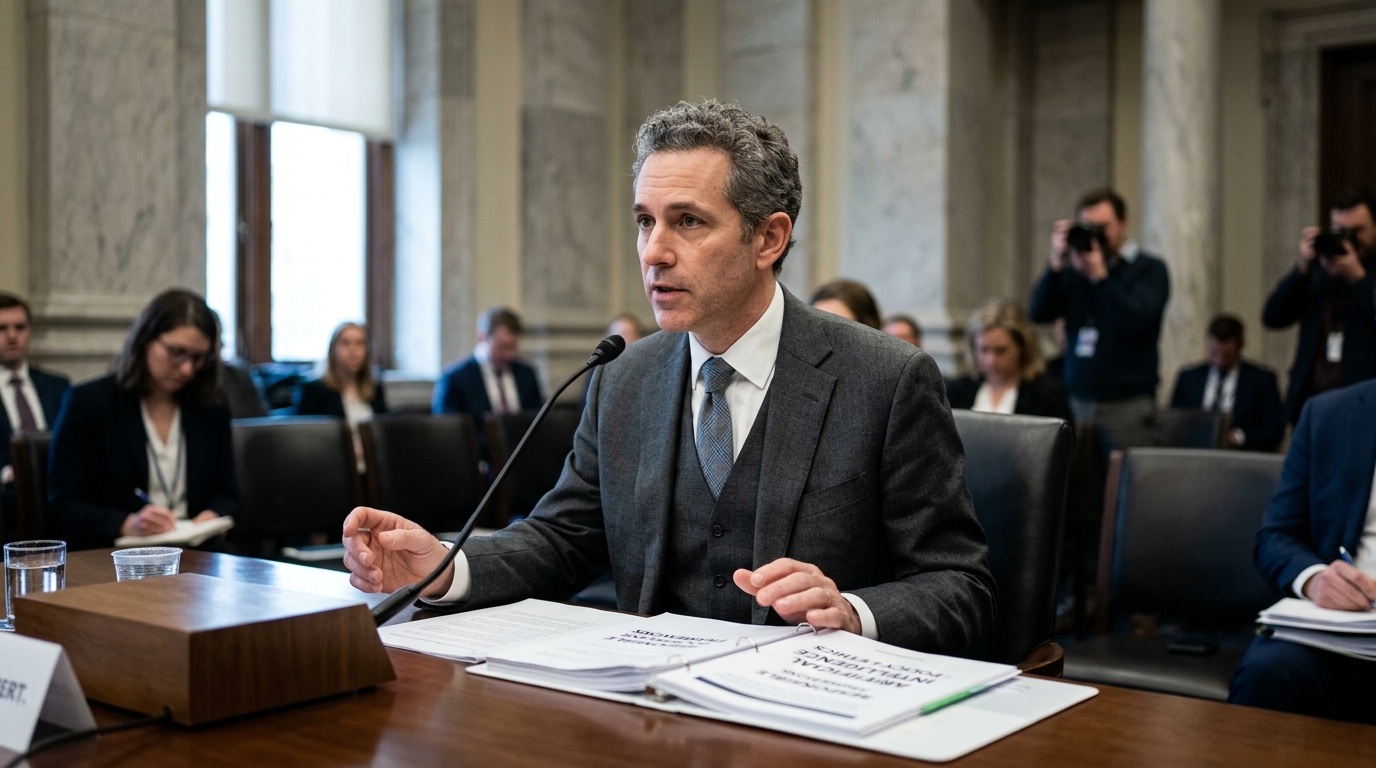
Altman, conversely, has repeatedly called for industry regulation, testifying before the Senate and proposing an international body to oversee powerful AI models. This "regulatory capture," as critics call it, is a much more sophisticated form of political influence than a simple donation. If OpenAI can help write the rules of the game, it won't matter as much who wins the referee's whistle.
Corporate Lobbying vs. Personal Donations
It is crucial to distinguish Altman’s personal donations from OpenAI’s corporate lobbying expenditures. While he is keeping his personal wallet closed to candidates, his company has drastically ramped up its spending on K Street. OpenAI is hiring former government officials and consultants from across the political spectrum, ensuring its voice is heard in every critical committee room.
2026 will be a test of this strategy. With issues like intellectual property, liability for AI-generated content, and labor market impacts taking center stage, Altman’s "quiet power" will be measured against the "loud power" of his peers. His choice not to invest financially might ultimately prove to be his most profitable investment in political credibility.
"AI is too important to become a pawn in partisan politics. Our responsibility is to build bridges, not fund trenches," Altman reportedly told close associates.
The Future of Political Influence
As we approach the elections, Altman’s stance highlights a new reality: tech leaders are no longer just donors; they are global political actors in their own right. Their ability to control the infrastructure of intelligence grants them power that transcends traditional economic metrics. Altman is betting that Washington will need OpenAI more than OpenAI needs Washington.
In conclusion, Altman’s abstinence from 2026 funding is not a sign of indifference but a strategic repositioning. In an increasingly polarized world, controlling the technology that will define the 21st century is the ultimate political capital. And that capital is something Altman does not intend to waste on television ads and campaign posters.