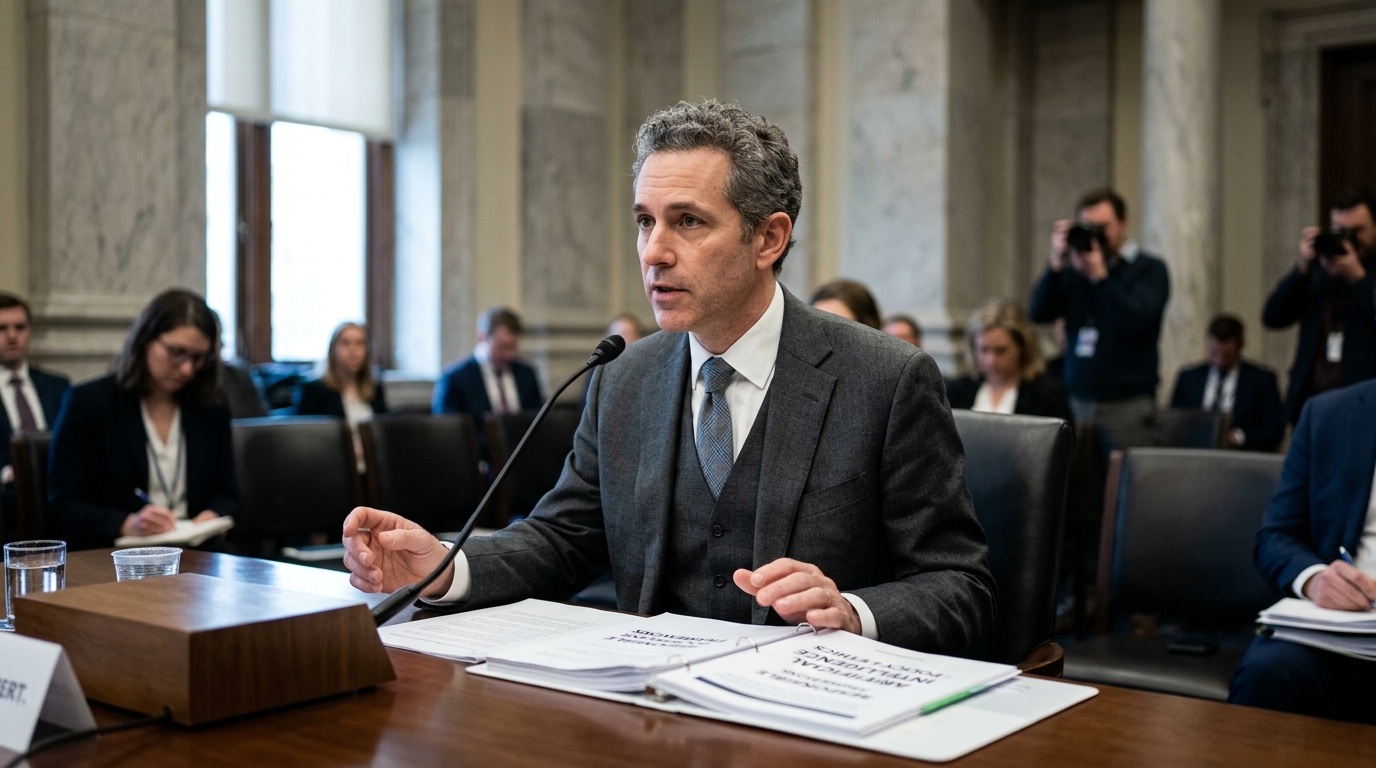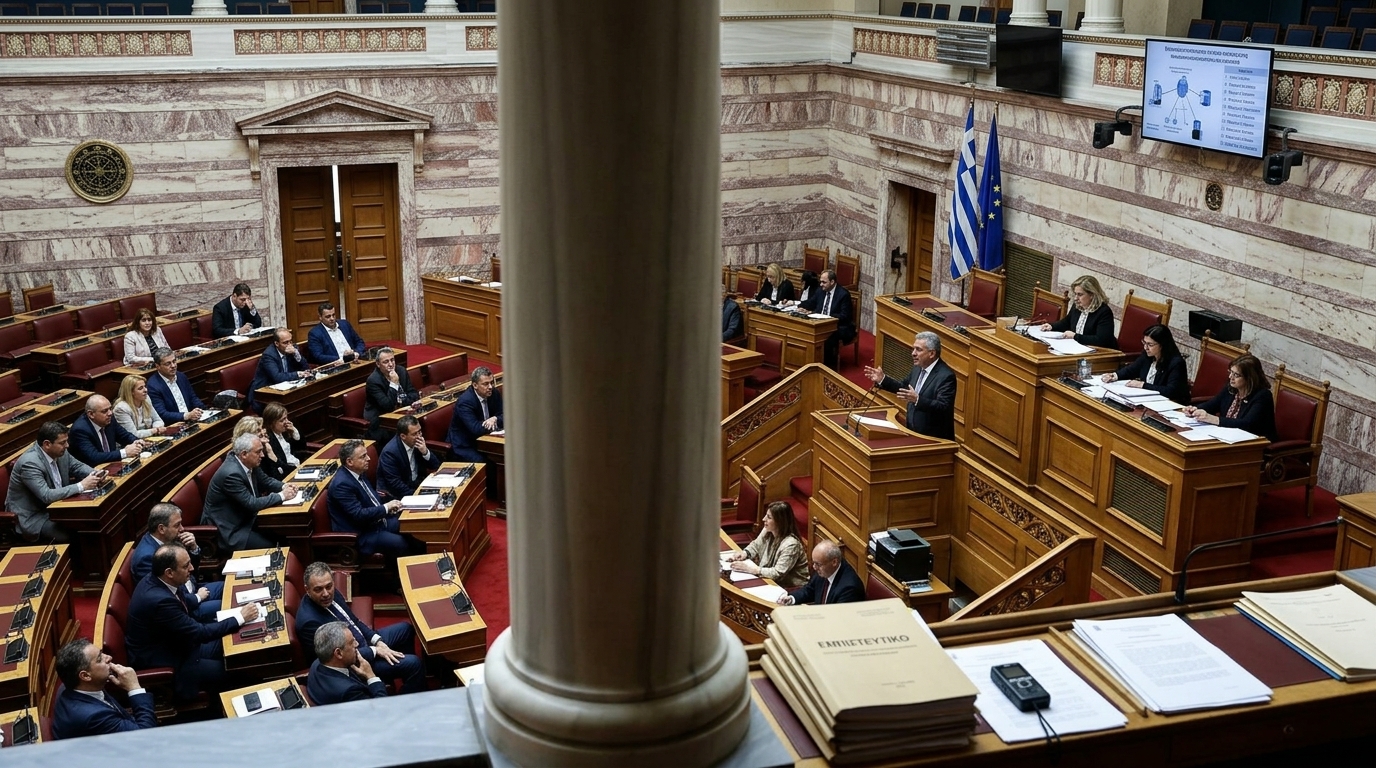
The Greek political landscape is once again under siege as Parliament transforms into a battlefield over the issue of telecommunications surveillance. The debate on the establishment of an Investigative Committee, following a proposal by PASOK-KINAL, is not merely a formal parliamentary procedure but a pivotal moment for the quality of post-dictatorship democracy. At the heart of the confrontation lies the "threshold" of the majority—a technical yet deeply political term that determines whether the minority can scrutinize the executive branch.
Constitutional Innovation and the Rights of the Minority
For the first time since the 2019 Constitutional revision, the right of the parliamentary minority to establish an investigative committee by securing 120 votes is being activated. This institutional breakthrough, aimed at strengthening oversight of the government, is now being tested in practice. The New Democracy government, while stating it will not block the committee's formation, is attempting to broaden the temporal and thematic scope of the investigation, proposing an examination of surveillance practices over the last decade.
The opposition, conversely, accuses the Maximos Mansion of attempting to diffuse responsibility and cover up recent events concerning the surveillance of Nikos Androulakis and journalist Thanasis Koukakis. The argument is clear: the focus must remain on the "here and now," on the specific allegations that led to the resignations of the Prime Minister's General Secretary and the Director of the National Intelligence Service (EYP). The clash over the scope of the investigation is not just a disagreement over an agenda; it is a battle over which narrative will prevail in public opinion.
Secrecy as a Wall and National Security
One of the most thorny issues emerging in the debate is the use of "confidentiality" or state secrecy. The government insists that the activities of the National Intelligence Service are covered by a veil of secrecy essential for national security. However, the legal and political community wonders: can secrecy be invoked against Parliament itself?
- ADAE and other independent authorities have played a decisive role in uncovering evidence.
- The use of illegal spyware like Predator complicates the distinction between state and private surveillance.
- International outcry, including the European Parliament's PEGA committee, exerts additional pressure on Athens.
Invoking national security to justify the surveillance of an elected MEP and party leader remains the most difficult point to defend. Constitutional experts warn that if the Investigative Committee hits the wall of secrecy, the very essence of parliamentary oversight will become a dead letter. Transparency is not the enemy of security; it is the guarantee that security will not be used as a pretext for the curtailment of liberties.
Political Implications and the Day After
The outcome of this debate will define political alliances for the foreseeable future. PASOK, having taken the initiative, seeks to present itself as the guardian of institutions, maintaining distance from both New Democracy and SYRIZA. The government, for its part, aims to close this front as quickly as possible, hoping that public fatigue will dull the impact. Yet, the shadows remain.
"Democracy does not fear the light; it only fears the darkness cultivated in the name of security," opposition sources state, signaling the tough stance they intend to maintain.
In conclusion, the Investigative Committee on wiretapping is more than an inquiry into phones and software. It is a stress test for the political system. The ability of institutions to self-cleanse and assign responsibility, regardless of political cost, is what distinguishes a mature liberal democracy from an authoritarian regime. History will judge whether the current Parliament rose to the occasion or allowed political expediency to prevail over the truth.