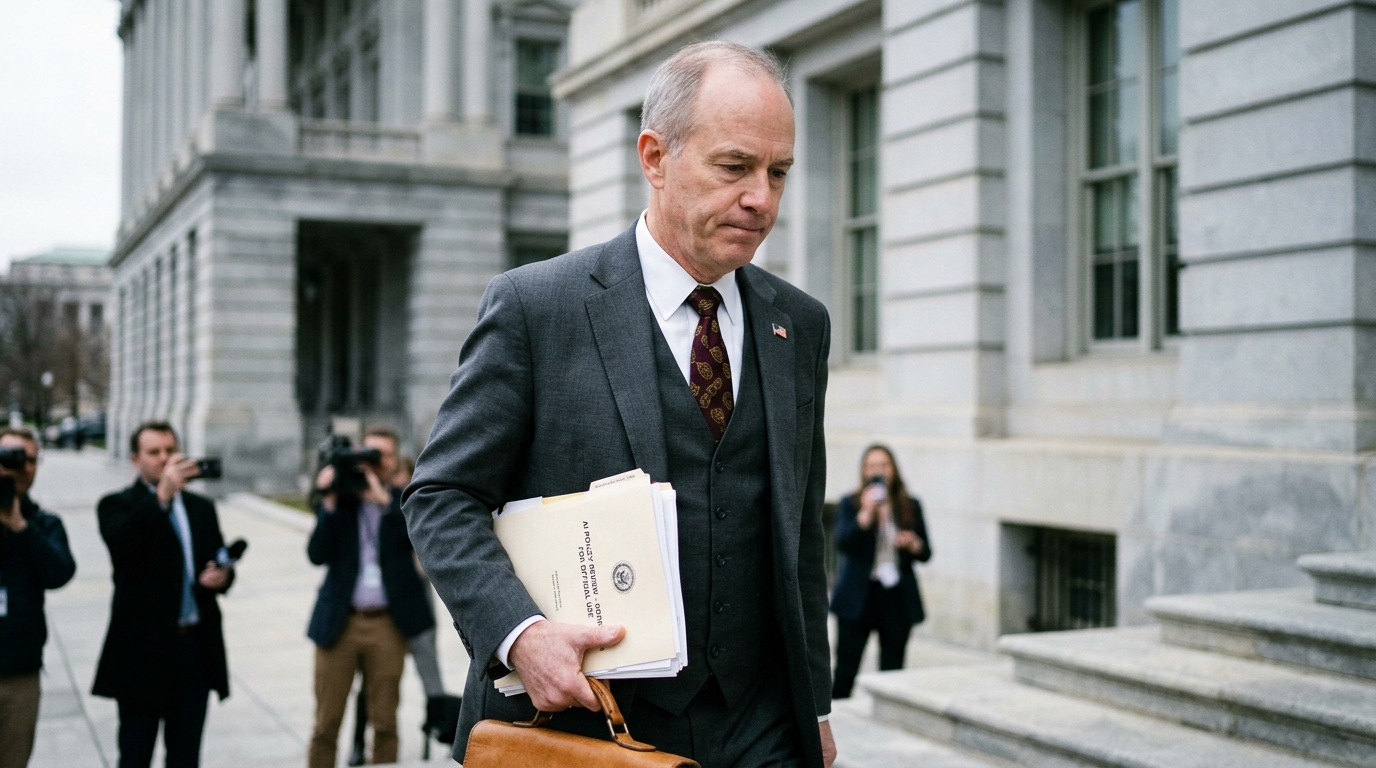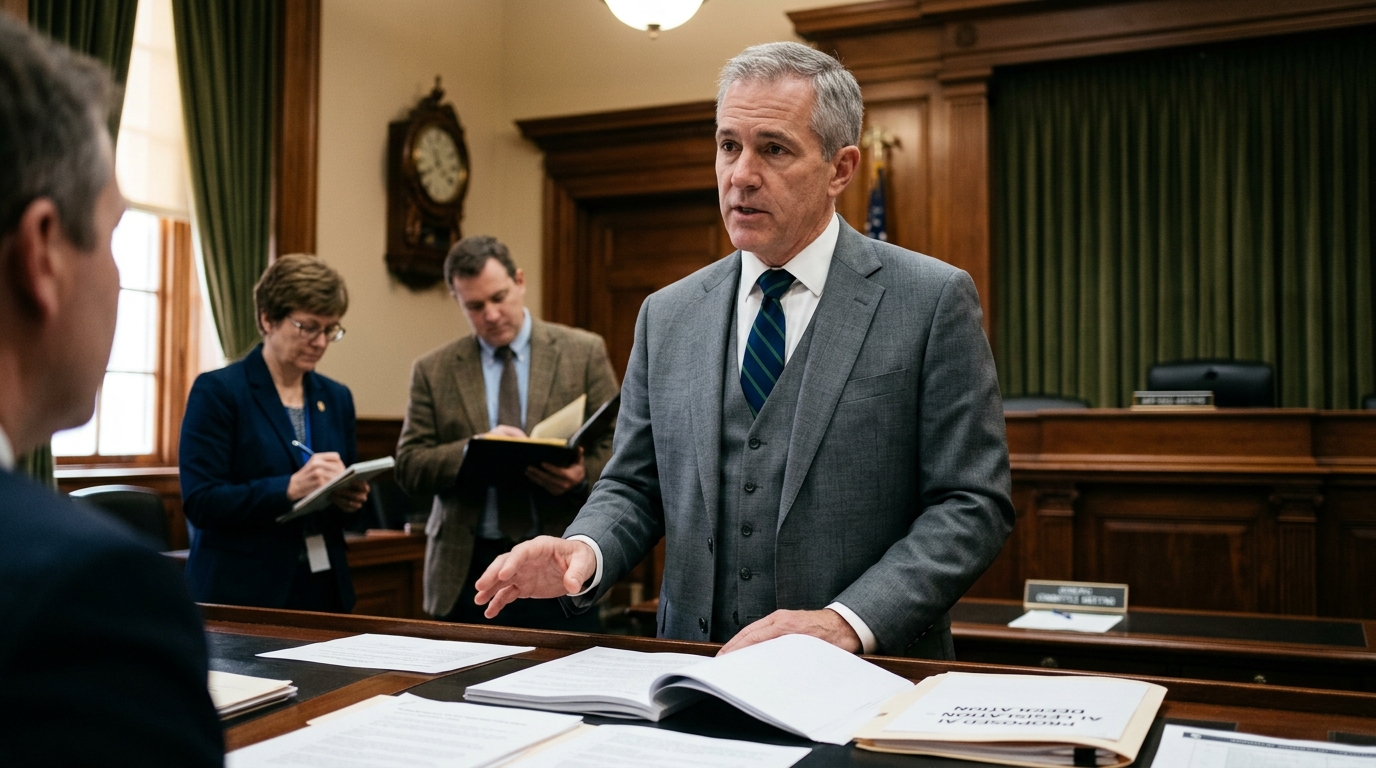
As artificial intelligence (AI) evolves from a theoretical possibility into a ubiquitous tool, lawmakers across the globe are racing to keep pace with the sheer speed of innovation. In the state of Ohio, a new bipartisan effort is bringing the need for stricter regulation of AI-generated content to the forefront, specifically focusing on the existential threat posed by deepfakes. This move is not merely a local legislative quirk; it reflects a broader global anxiety regarding the erosion of truth in the digital public square.
The Legislative Surge in the Heartland
Ohio lawmakers recently introduced proposals aimed at curbing the deceptive use of artificial intelligence, particularly in settings that influence public opinion and personal safety. At the heart of the debate is the creation of "digital guardrails" that would compel content creators to disclose when an image, audio clip, or video has been generated or significantly altered by AI algorithms. This initiative comes at a time when the U.S. federal government appears stalled in enforcing uniform rules, leaving individual states to act as laboratories for democratic experimentation.
According to the bill's sponsors, technology has reached a point where the average citizen finds it nearly impossible to distinguish the real from the synthetic. This creates an environment of "epistemic uncertainty," where trust in institutions and information collapses. The proposed regulations do not seek to ban the technology—an impossible feat—but rather to impose transparency as a fundamental principle of digital communication in a post-truth era.
Protecting the Ballot Box from Synthetic Deception
The primary concern for lawmakers revolves around the integrity of electoral processes. With major elections on the horizon, the fear of "disinformation campaigns on steroids" is palpable. Imagine a video circulating hours before polls open, showing a candidate confessing to a crime or dropping out of the race. Even if proven fake later, the damage to the democratic process would be irreversible and potentially catastrophic.
- Mandatory watermarking for all political advertisements utilizing AI-generated content.
- Criminalization of the intentional use of deepfakes to deceive voters within a specific timeframe before elections.
- Providing candidates with the legal standing to seek injunctions for the immediate removal of misleading synthetic media.
These measures aim to deter the weaponization of technology by malicious actors, whether they be domestic political rivals or foreign powers seeking to interfere in state affairs. The challenge remains the speed of response: social media platforms often move too slowly to halt the viral spread of a deepfake before it reaches millions of screens.
Beyond Elections: The Human Toll of AI Misuse
While elections dominate the headlines, Ohio lawmakers are also examining the darker, more personal aspects of AI abuse. The non-consensual creation of deepfake pornography is a growing scourge that primarily targets women and minors. The new legislation seeks to close legal loopholes that allow such acts to go unpunished, categorizing them as forms of digital harassment and a severe violation of privacy rights.
"This isn't about free speech; it's about the right to dignity and the truth," stated one of the regulation's proponents. "When your identity can be stolen and used to humiliate you globally, the law must be there to provide a shield."
Consumer protection is also on the table. Scams using voice cloning to extort money from the elderly—by mimicking the voices of relatives in distress—have spiked. The new rules would grant authorities more tools to pursue these digital predators while mandating that tech companies integrate detection and prevention mechanisms into their consumer-facing products.
The Constitutional Tightrope: Free Speech vs. Public Safety
Any attempt to regulate content in the United States inevitably runs into the First Amendment, which protects freedom of speech. Critics of the proposed laws warn that overly broad language could chill satire, artistic creation, or even legitimate political criticism. Where does "deception" end and "political parody" begin? This is the multi-billion dollar question facing the courts.
Ohio lawmakers are attempting to walk this tightrope by clearly defining "intent to deceive" as a necessary element for prosecution. However, a legal battle is almost certain. Big Tech companies, while paying lip service to "responsible AI," often push back against local laws that create a "patchwork" of different regulations from state to state, making their operations significantly more complex and legally risky.
A Patchwork of Laws: The Global Implication
Ohio's move is not an isolated incident. It follows the lead of California and the European Union, which, with its AI Act, has established the most stringent framework in the world. The trend is clear: the era of Silicon Valley self-regulation is over. Governments are realizing that AI is not just a technical issue, but a matter of social and political stability.
In conclusion, the legislative initiative in Ohio serves as a critical test of whether democratic institutions can adapt to the velocity of the digital age. If successful, it could provide a blueprint for other states and nations. If it fails, it will highlight the law's inability to protect objective reality in a world where the "fake" is no longer distinguishable from the "real." The stakes for the future of the republic could not be higher.