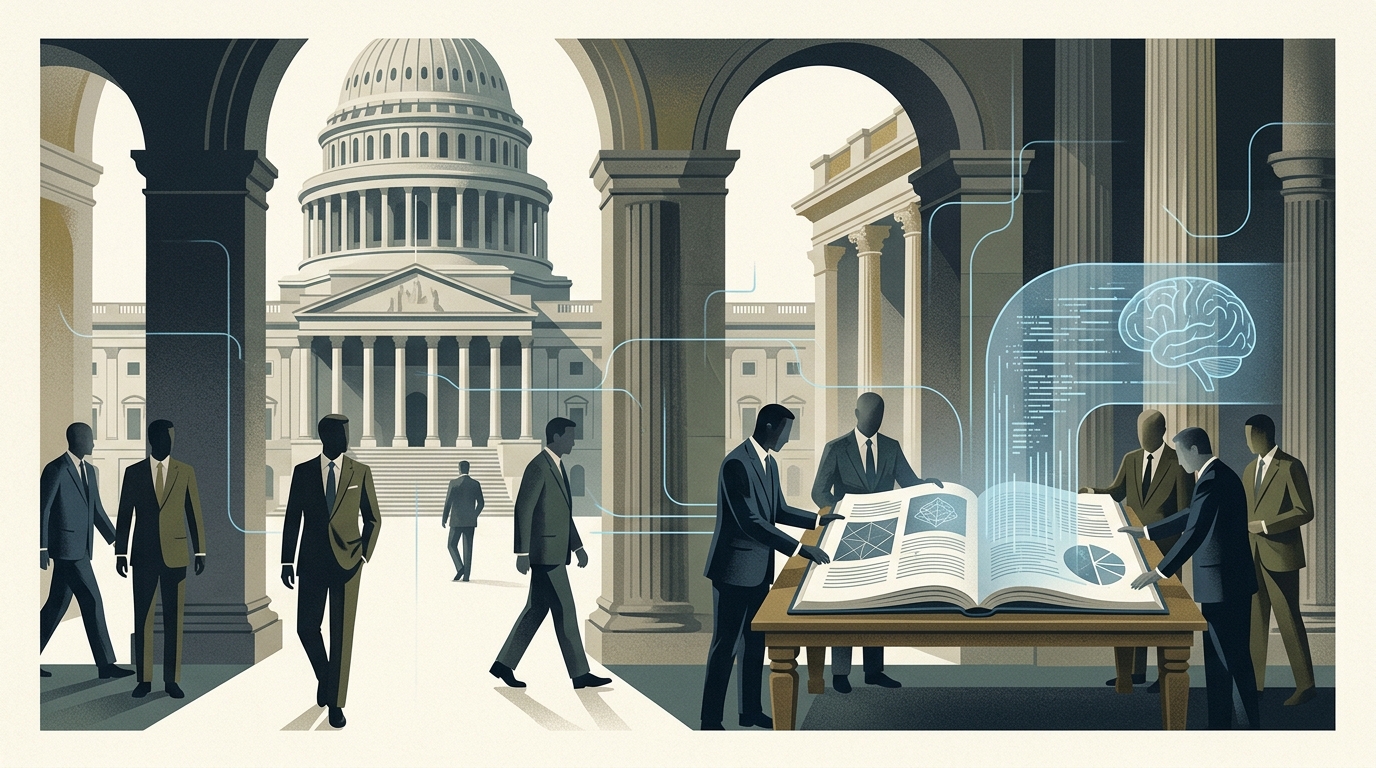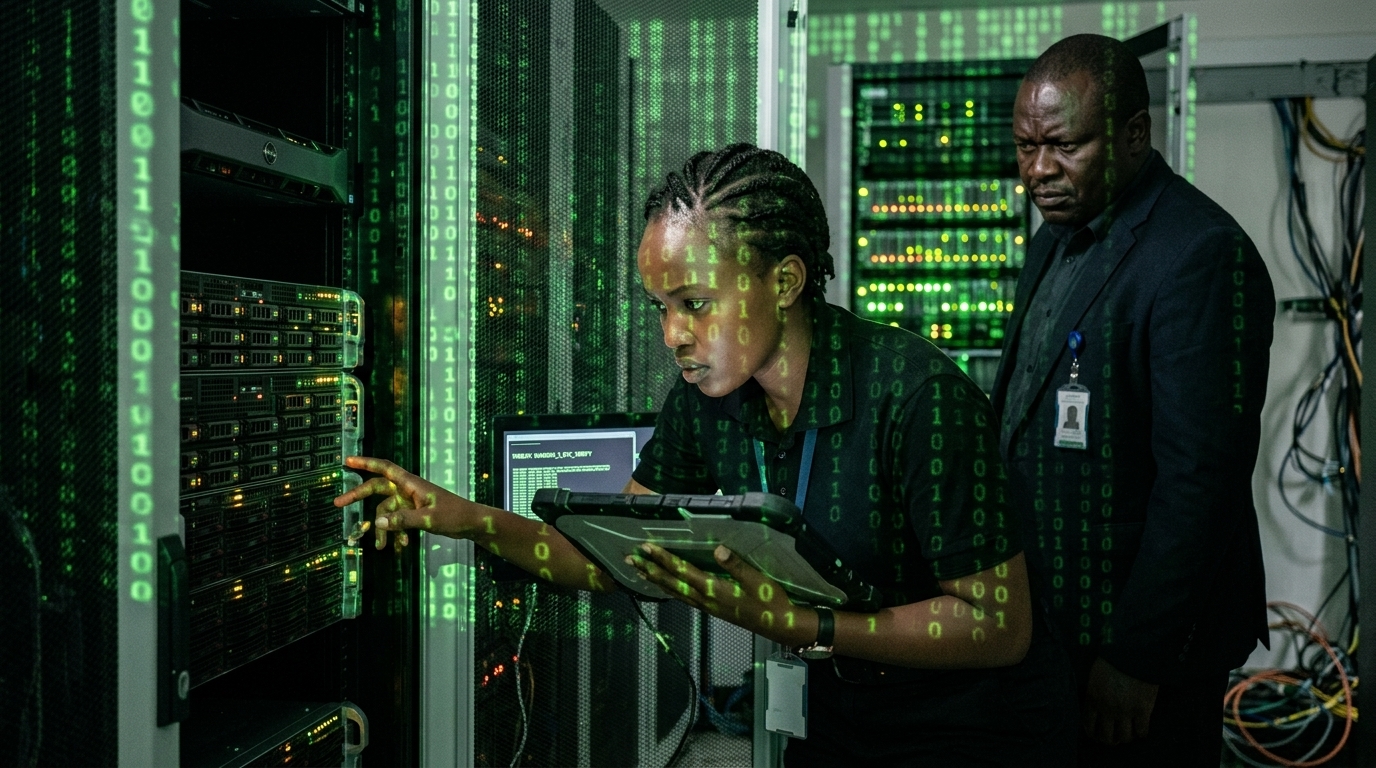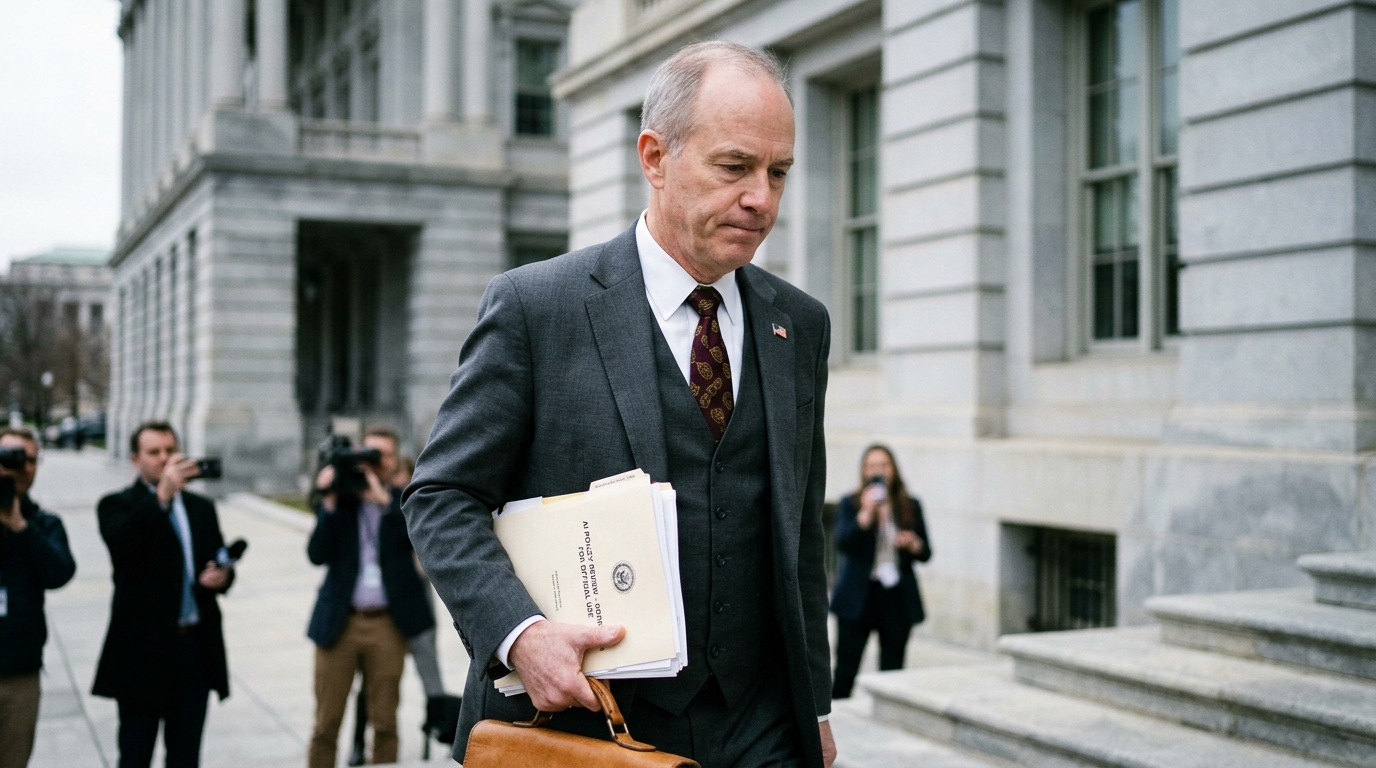
At a pivotal moment in the global race for Artificial Intelligence (AI) supremacy, the news of a top AI advisor’s departure from the White House has sent shockwaves through Washington and Silicon Valley. First reported by AsAmNews, this resignation is far more than a routine personnel change; it reflects the deep-seated internal tensions of an administration struggling to reconcile isolationist impulses with the imperative of technological dominance.
The departing advisor, whose identity is closely linked to the Asian American tech community, served as a vital bridge between national security mandates and private sector innovation. Their exit comes as the Trump administration doubles down on dismantling regulatory frameworks established by the previous administration, favoring an "unfettered growth" model aimed squarely at outpacing China.
The Rift Between Policy and Technical Reality
Many analysts interpret this departure as a sign of growing friction over the direction of American tech policy. While President Trump has repeatedly asserted that the U.S. must win the "AI war," his administration's actions often clash with the practical needs of the scientific community. Hardline immigration policies, which directly restrict the flow of global talent, and significant cuts to fundamental research programs have created a climate of profound uncertainty.
Sources close to the White House suggest the advisor disagreed with recent decisions to slash funding for "Ethical and Safe AI" initiatives. The administration reportedly views these safeguards as "bureaucratic hurdles" that stifle domestic production. The pivot toward a more aggressive, militarized approach to AI appears to have been the breaking point for an official rooted in an academic and corporate culture that prioritizes collaborative progress over zero-sum confrontation.
Geopolitical Stakes and the China Shadow
The fact that an Asian American advisor is leaving during a period of heightened scrutiny of scientists with Asian heritage cannot be overlooked. The "America First" rhetoric has at times bordered on xenophobia, fostering a toxic environment for the very researchers who form the backbone of American innovation. Losing such high-level personnel represents a loss of both technical expertise and diplomatic capital.
China, meanwhile, is watching these developments with keen interest. Every internal tremor in Washington is viewed as an opportunity for Beijing to recruit talent and close the technological gap. Trump’s AI strategy, while ambitious in its rhetoric, risks failing if it lacks the human capital to execute it. This resignation serves as a warning: technology does not evolve in a political vacuum, and a lack of stability could prove fatal to U.S. interests.
The Future of AI Governance in the U.S.
Speculation is already mounting regarding a successor. Rumors suggest the administration may tap an individual directly from the defense industrial complex. Such a move would signal a definitive shift toward the weaponization of AI, sidelining social and economic applications that could benefit the broader public. Silicon Valley remains divided; while some tech titans welcome deregulation, others fear that a lack of ethical standards will lead to a global backlash against American AI products.
In conclusion, this resignation marks a significant milestone in 2026. It highlights the current administration's struggle to formulate a cohesive, long-term strategy. If the United States intends to maintain its lead, it must recognize that AI leadership requires more than slogans—it demands trust, international cooperation, and respect for the scientific process. Without these elements, the White House risks finding itself isolated in a world moving at the speed of light.