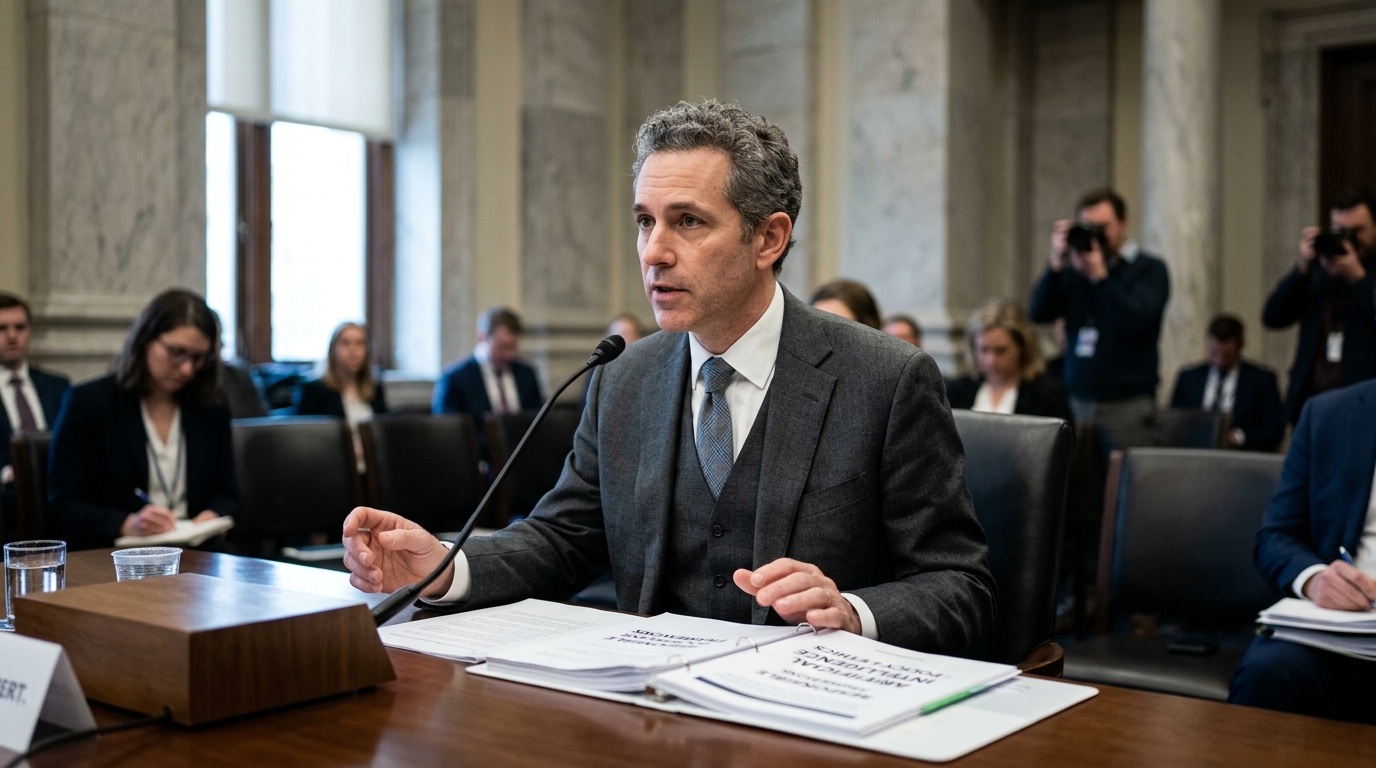
The meteoric rise of Generative Artificial Intelligence (AI) has brought humanity to a critical crossroads where the lines between objective reality and digital fabrication are increasingly blurred. At the heart of this technological storm, the U.S. Congress is attempting to establish the first foundational rules for protecting the human persona. The "Nurture Originals, Foster Art, and Keep Entertainment Safe" (NO FAKES Act) is gaining significant momentum in Washington, promising to give citizens—not just famous celebrities—control over their own digital identity.
Bipartisan Consensus and the Need for Federal Protection
The NO FAKES Act is not a typical legislative proposal. It represents a rare moment of bipartisan alignment in an otherwise polarized Washington. Led by Senators Chris Coons (D-Del.) and Marsha Blackburn (R-Tenn.), the bill aims to create a federal intellectual property right over every individual's voice and likeness. Until now, such protection relied on a fragmented mosaic of state-level "right of publicity" laws, which often proved inadequate against the global reach of the internet.
The urgency for such regulation became undeniable after a series of incidents that rattled the entertainment industry. From the notorious "AI Drake" track that flooded streaming platforms to digital recreations of actors without their consent, technology has demonstrated it can "harvest" the essence of a creator in seconds. The bill stipulates that any person or entity producing an unauthorized digital replica will face legal liability, while platforms hosting such content will be obligated to remove it promptly upon notification.
The Industry Divide: Hollywood vs. Silicon Valley
Despite broad support from artist unions like SAG-AFTRA and major record labels, the NO FAKES Act faces stiff criticism from the tech industry and digital rights organizations. The core argument of the detractors centers on the First Amendment of the U.S. Constitution, which protects freedom of speech. There is a palpable fear that an overly broad or strict law could stifle creativity, satire, and journalism.
Proponents have attempted to mitigate these concerns by introducing specific exemptions for news reporting, documentaries, biographies, and parody. However, the boundary between "creative expression" and "illegal exploitation" remains razor-thin. Tech giants argue that "safe harbor" protections for platforms should be preserved, fearing that internet service providers might be forced to become global content censors to avoid litigation. This debate reflects a broader cultural conflict: the protection of human labor versus the unbridled march of technological progress.
Beyond Hollywood: Protecting the Average Citizen
While news headlines often focus on movie stars and pop icons, the NO FAKES Act has profound implications for every ordinary citizen. In the age of deepfakes, the danger of digital impersonation is not just about corporate profits; it is about personal dignity. Incidents of AI-generated non-consensual explicit imagery (commonly known as deepfake porn) and scams using cloned voices of relatives for ransom have spiked dramatically.
The bill attempts to provide a legal weapon for victims of these attacks. The ability to pursue civil action for the use of one's digital likeness without consent is a crucial step toward restoring justice in the digital sphere. Furthermore, the provision that these rights remain with the individual—and are not easily transferable to corporations—aims to prevent a new form of "digital serfdom," where artists might be coerced into signing away the rights to their very existence in perpetuity.
Conclusion: A New Social Contract for AI
The NO FAKES Act is more than just a market regulation; it is an attempt to redefine what "ownership" means in the digital age. As algorithms become capable of mimicking human creativity with terrifying precision, the law is called upon to safeguard the sanctity of human identity. The success or failure of this bill will determine whether the future of the internet remains a space for authentic expression or becomes a vast hall of mirrors, populated by digital ghosts without souls. The international community is closely watching Washington, as the standard set there will likely serve as a roadmap for similar legislation worldwide, including within the European Union.