Deep in the northeastern corner of the United States, Maine—a state synonymous with its rugged coastline and stoic traditionalism—is finding itself at the vanguard of a profoundly modern debate. As the gubernatorial race begins to take shape, candidates are articulating competing visions for how Artificial Intelligence (AI) should be integrated into, or insulated from, public life. What was once a niche technical discussion in Silicon Valley boardrooms has evolved into a cornerstone of retail politics, touching on labor, privacy, and the very foundations of democratic integrity.
The Regulatory Path vs. The Efficiency Mandate
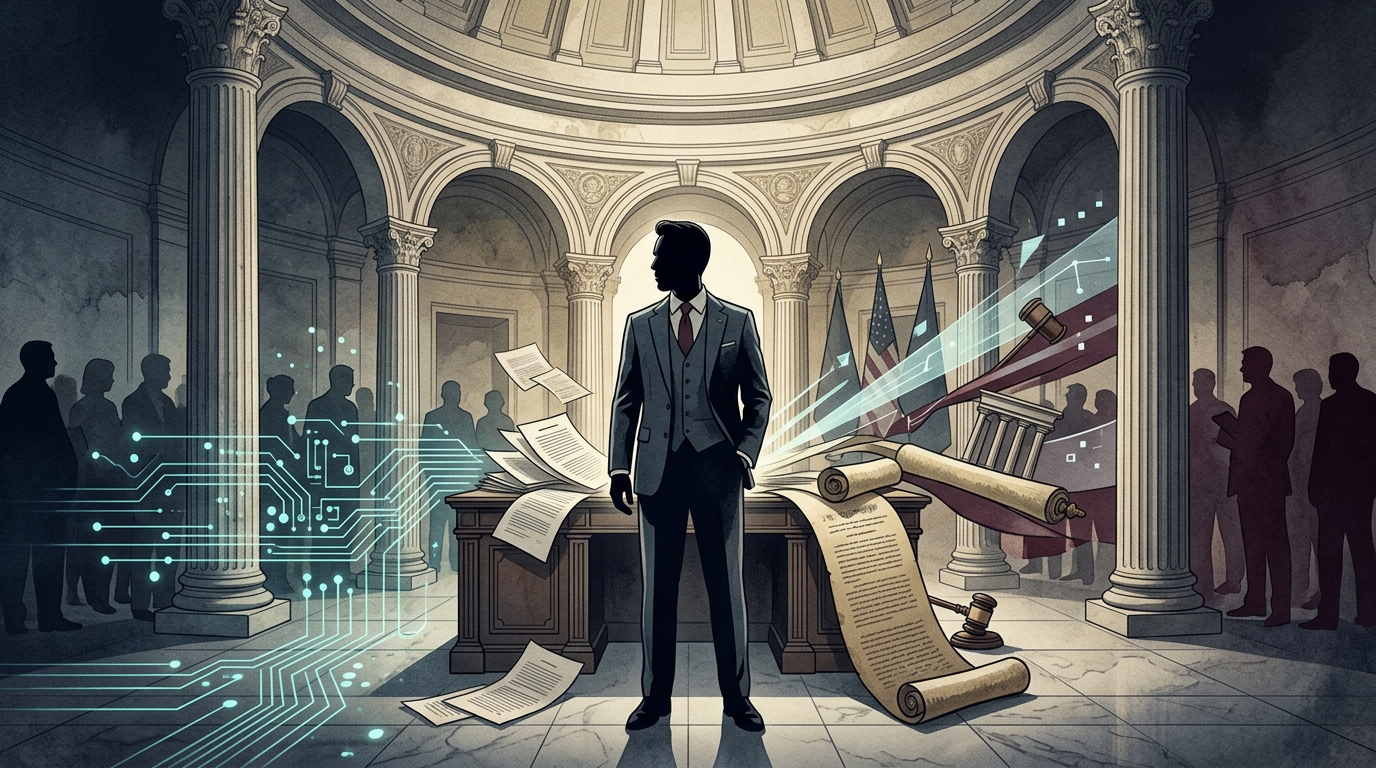
On one side of the political aisle, we see an increasing emphasis on the creation of a robust regulatory framework. Candidates aligned with the Democratic platform tend to view AI as a high-stakes double-edged sword. Their rhetoric focuses on shielding workers from the disruptive tides of automation, preventing algorithmic bias in housing and healthcare, and ensuring that state agencies using AI remain transparent and answerable to the public. A primary concern is the integrity of the electoral process itself, with calls for strict bans on the use of deepfakes in political messaging to prevent the erosion of objective truth.
Conversely, Republican contenders and conservative challengers are framing AI through the lens of economic competitiveness and fiscal discipline. Their vision for Maine involves leveraging AI to streamline the state’s often cumbersome bureaucracy, reducing the cost of government, and making the state a magnet for tech investment. They argue that excessive regulation could stifle innovation, leaving Maine at a disadvantage compared to states that embrace the technology more aggressively. For these candidates, AI is not a threat to be managed, but a tool to modernize Maine’s economy, which has long relied on legacy industries like timber and fishing.
AI in the Woods and on the Water
One of the most compelling aspects of the Maine debate is the intersection of AI with the state's iconic heritage industries. Lobster fishing and forestry are the bedrock of the local economy. Candidates are being forced to answer how high-tech algorithms can assist these sectors without displacing the people who have worked them for generations.
“AI cannot replace the seasoned judgment of a Maine fisherman who knows the tides by heart, but it can help him predict stock movements and optimize fuel consumption,”noted one policy advisor, highlighting the delicate balance between tradition and technology.
Furthermore, the use of AI in natural resource management has become a flashpoint. While some see an opportunity for more sustainable, data-driven forestry through AI-analyzed satellite imagery, others fear that automation will accelerate the depopulation of rural Maine as manual labor is phased out. The candidates' ability to speak to the concerns of rural voters—who feel the most vulnerable to these shifts—may well decide the election.
Ethics, Privacy, and the Role of the State
Beyond the economic balance sheet, the debate extends into the realm of civil liberties. Candidates are clashing over the limits of biometric surveillance and facial recognition by law enforcement. In Maine, a state with a fierce tradition of individual privacy and libertarian leanings, the prospect of AI-driven surveillance triggers skepticism across the political spectrum. The next Governor will face the daunting task of codifying rules that permit technological advancement in public safety without infringing upon constitutional rights.
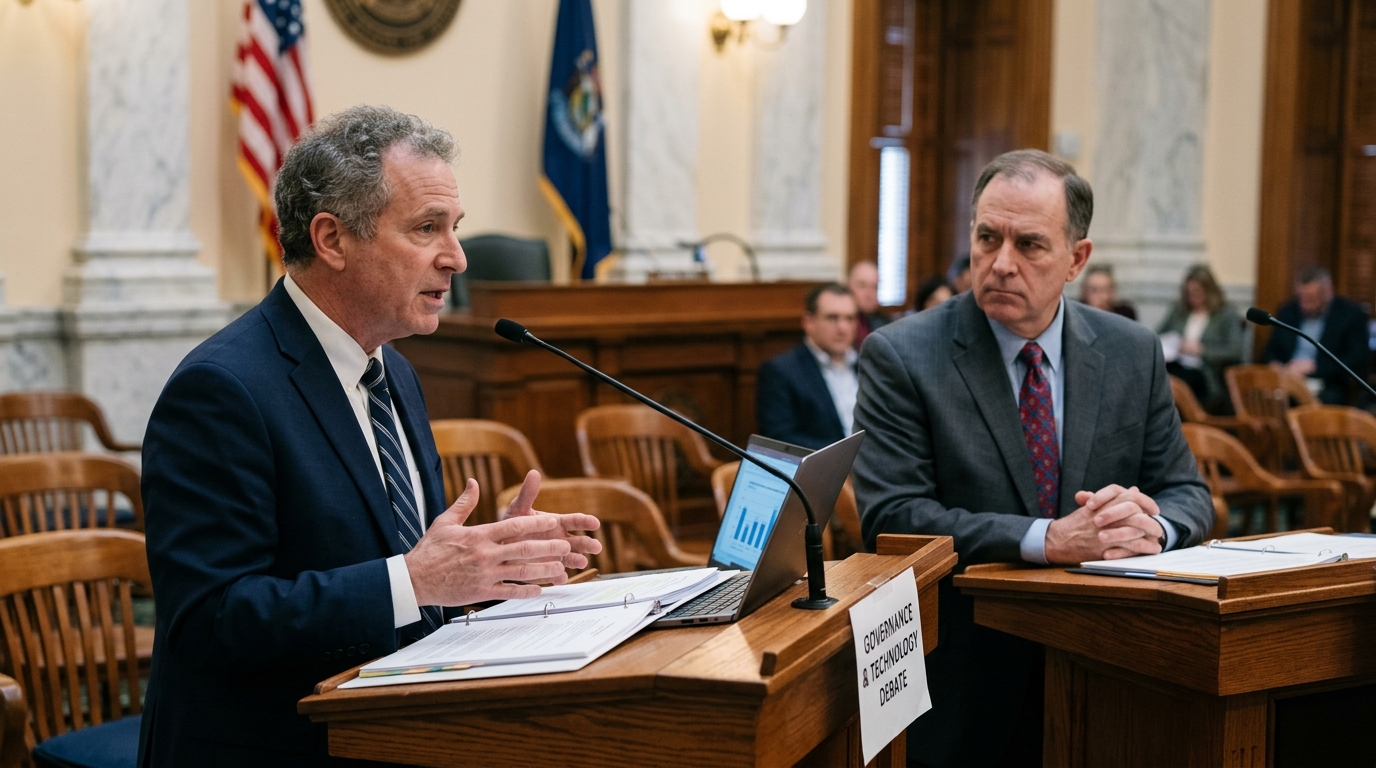
As the campaign trail heats up, it is becoming clear that Maine is a microcosm of the broader American struggle to reconcile the speed of technology with the pace of legislation. Voters are being asked to choose between two distinct philosophies: one that prioritizes a protective, state-led oversight model, and another that favors a market-driven, accelerationist approach. The choice made in the voting booths will not only shape Maine’s digital infrastructure but will signal how rural America intends to navigate the AI revolution.