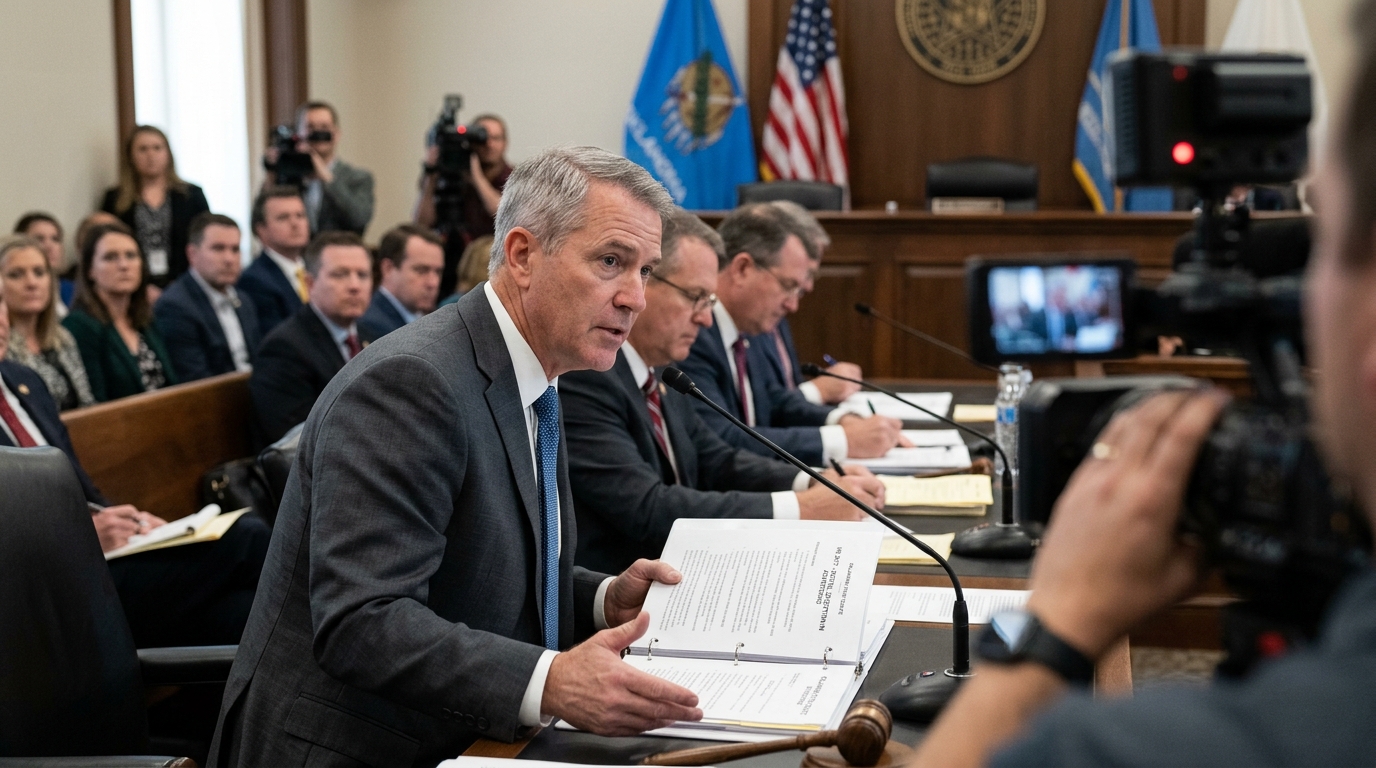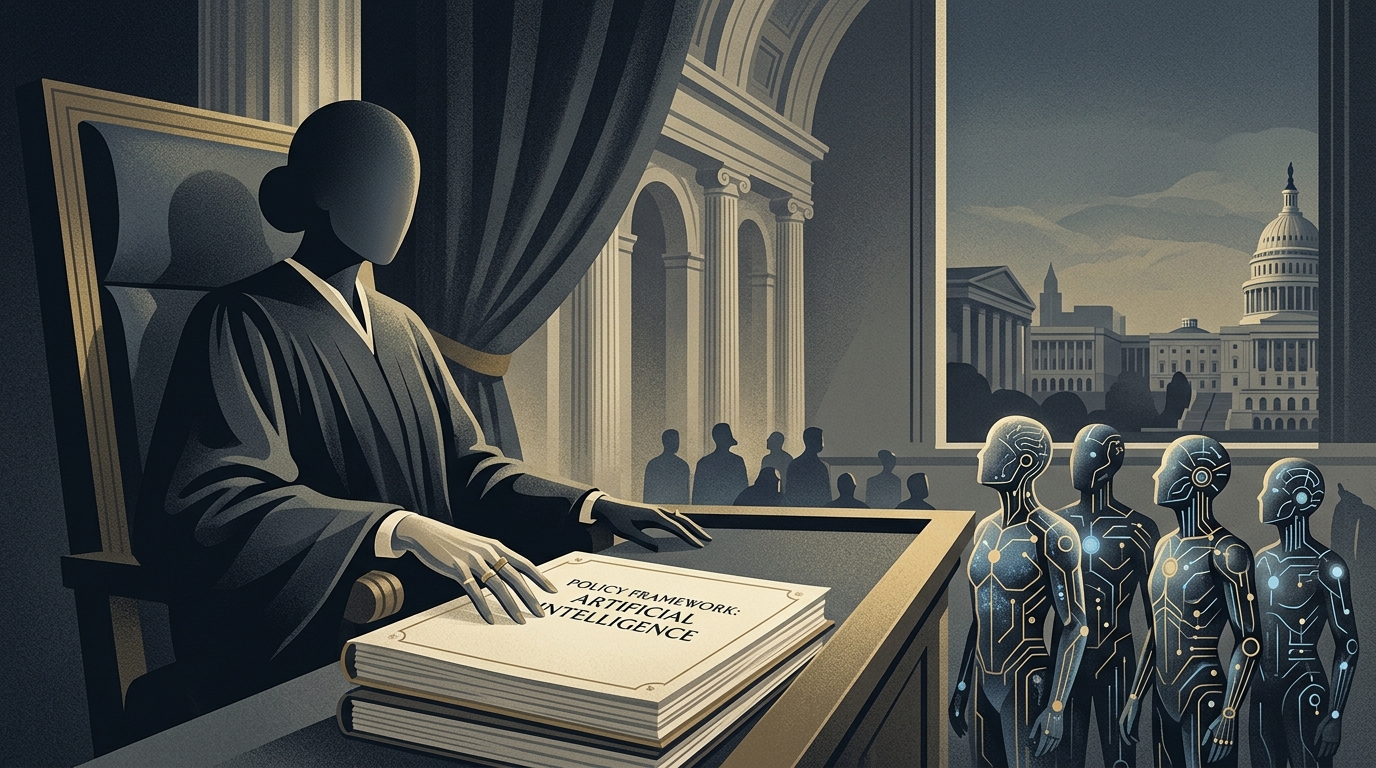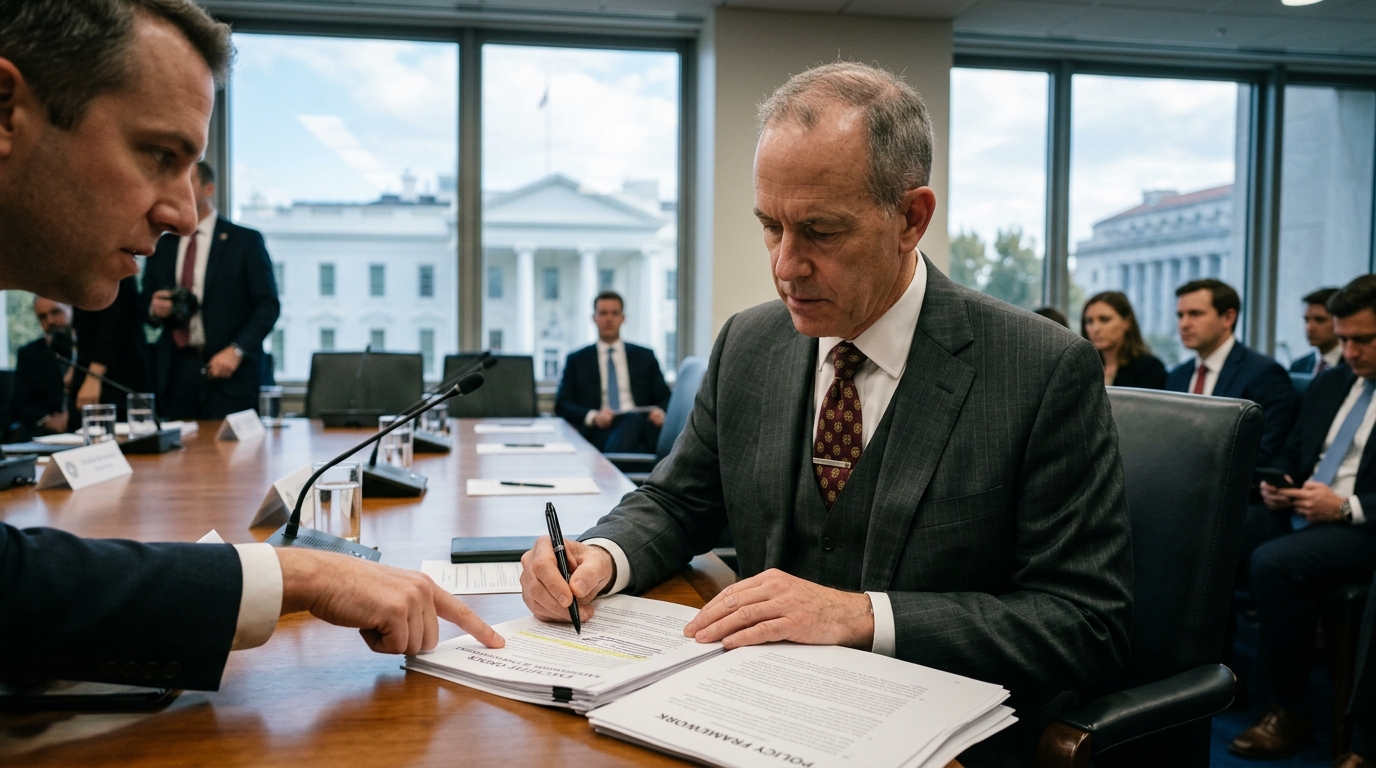
In a move that signals a profound shift in American industrial policy, House Minority Leader Hakeem Jeffries has made it clear that the creation and support of AI data centers is now a top priority for the Democratic Party. This declaration, first reported by Politico, is not merely a technological footnote; it is a recognition that the battle for global hegemony in the 21st century will be decided by computational power and access to cheap, reliable energy.
Infrastructure as National Destiny
Artificial Intelligence is often discussed in terms of software and algorithms, but the reality of AI is deeply material. It requires massive facilities filled with high-end GPUs that consume energy on the scale of small cities. Jeffries, sensing the geopolitical stakes, argues that the United States must accelerate the construction of this infrastructure to avoid falling behind China. This shift shows a Democratic effort to marry the "green transition" with the necessity of massive energy expansion.
The central bottleneck remains the grid. The American electrical grid is antiquated, and the permitting process for new energy transmission projects is agonizingly slow. Democrats now appear willing to discuss "permitting reform," a topic traditionally championed by Republicans and fossil fuel companies, in order to facilitate the connection of new data centers to power sources.
The Energy Paradox and the Environment
Supporting data centers places Democrats in front of a paradox. On one hand, the party is committed to reducing carbon emissions. On the other, AI is energy-hungry. The proposed solution is to link AI with clean energy, such as next-generation nuclear power, wind, and solar. However, the speed at which AI is developing far outpaces the speed at which we can build renewable energy sources.
- Nuclear Renaissance: There is growing support for Small Modular Reactors (SMRs) that could exclusively power data center clusters.
- Grid Modernization: The need for billion-dollar investments in digitizing the electrical grid to handle surge loads.
- Economic Growth: Creating high-skilled jobs in rural areas where these facilities are often constructed.
Political Implications and Bipartisan Consensus
Jeffries' stance suggests that AI could be the bridge for a rare bipartisan consensus in Washington. Both Democrats and Republicans agree that China represents an existential threat in the tech sector. If AI is framed as a national security issue, then obstacles that once seemed insurmountable—such as environmental regulations or local zoning disputes—may be bypassed in the name of the national interest.
"We cannot allow China's authoritarian leadership to win the race for computational sovereignty. Data centers are the factories of the future, and they must be built here," appears to be the core message.
In conclusion, this initiative raises the question: Who will control this infrastructure? While the government facilitates construction, the owners remain the tech giants of Silicon Valley. The relationship between the state and Big Tech is entering a new, more intimate phase, where the lines between public policy and corporate interests are becoming increasingly blurred.