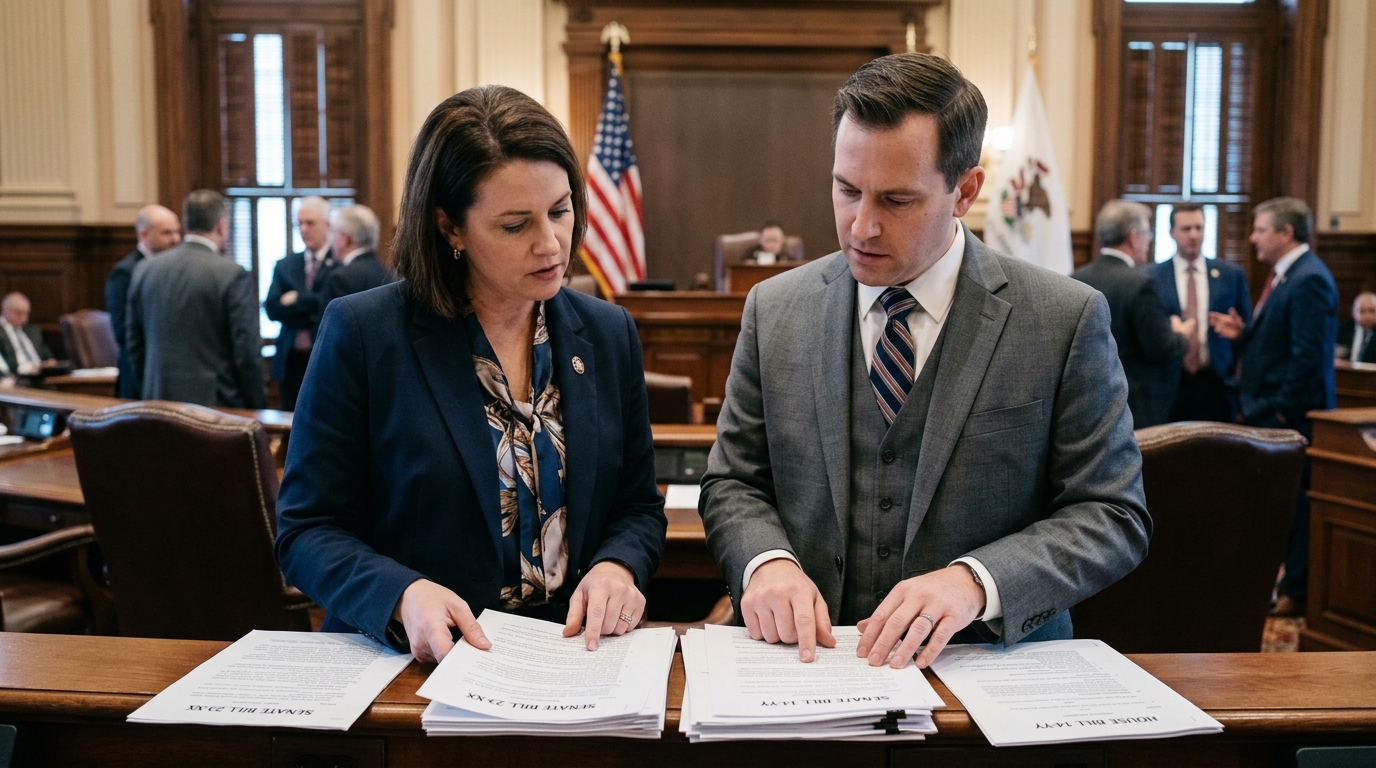
Illinois, a state that has historically punched above its weight in technology regulation, is once again at the epicenter of a pivotal shift. As the General Assembly hurtles toward its adjournment deadline this weekend, a suite of ten critical bills targeting Artificial Intelligence (AI) is reaching the finish line. This legislative push is more than just a local matter; it is a governance experiment watched closely by Silicon Valley, Washington D.C., and Brussels alike.
The Legacy of Data Protection
To understand why Illinois is moving so aggressively, one must look back at the Biometric Information Privacy Act (BIPA). As the nation’s strictest biometric data law, BIPA has cost tech giants billions in fines and settlements. Now, Springfield lawmakers are attempting to apply that same rigor to generative AI and predictive algorithms. The central premise is both simple and radical: technology cannot outpace the fundamental rights of citizens.
The ten-bill package covers a vast spectrum of risks. From combating election-year deepfakes to banning algorithmic bias in hiring, these measures aim to close the loopholes created by the rapid adoption of tools like ChatGPT and Midjourney. The Transparency Coalition, a primary advocate for these measures, argues that without clear guardrails, public trust in democratic institutions will inevitably erode.
Deepfakes and the Defense of Democracy
One of the most urgent bills addresses the use of AI in political communication. With elections on the horizon, the fear of deceptive videos and audio clips—synthetic media capable of swaying voters—is palpable. The proposed legislation mandates explicit labeling for any AI-altered political content and establishes stiff penalties for those who intentionally spread misinformation to influence electoral outcomes.
Furthermore, significant focus is placed on the protection of minors. One bill specifically targets the creation and distribution of AI-generated child sexual abuse material (CSAM). While these images may not depict real people, lawmakers argue that their existence normalizes abuse and poses severe societal risks. The legal challenge here is immense, touching upon the boundaries of First Amendment free speech, but Illinois appears willing to lead the charge into uncharted judicial waters.
Algorithmic Fairness in the Workplace
Perhaps the most contentious piece of legislation concerns the use of AI in hiring and employee evaluation. Many corporations now utilize algorithms to filter resumes or analyze body language in video interviews. The pending bills require companies to conduct annual bias audits and notify candidates whenever AI is used to make decisions that impact their livelihoods.
- Transparency: Companies must disclose the training data sources for their high-stakes algorithms.
- Accountability: Developers bear responsibility for the socio-economic impacts of their tools.
- Right to Appeal: Citizens will have the right to challenge any decision made solely by an automated system.
The Industry Pushback
Predictably, tech giants and chambers of commerce have voiced serious concerns. Their primary argument is that a patchwork of differing state laws will make it impossible for companies to operate effectively within the U.S., ultimately stifling innovation. They favor a federal framework, which remains stalled in Congress due to partisan gridlock.
"If Illinois goes it alone, it risks becoming an island of regulatory severity that will drive startups to more permissive states," says an industry lobbyist.
However, proponents of the bills counter that innovation without ethics is inherently dangerous. The deadline this weekend will determine whether Illinois becomes a beacon for the rest of the country or if lobbying efforts will succeed in diluting the most significant provisions. What remains certain is that the era of unregulated AI is drawing to a close, at least in the Land of Lincoln.