The narrative of technological dominance is entering a new, decisive chapter. As we navigate mid-2026, the conversation in Washington has shifted from whether Artificial Intelligence (AI) will change the world to who will define the rules of this new reality. The United States, despite its current lead through giants like OpenAI, Google, and NVIDIA, stands at a critical crossroads. Maintaining the title of "AI Superpower" requires more than just corporate innovation; it demands a holistic national strategy that integrates energy, immigration, and geopolitical leverage.
The Infrastructure Bottleneck and Energy
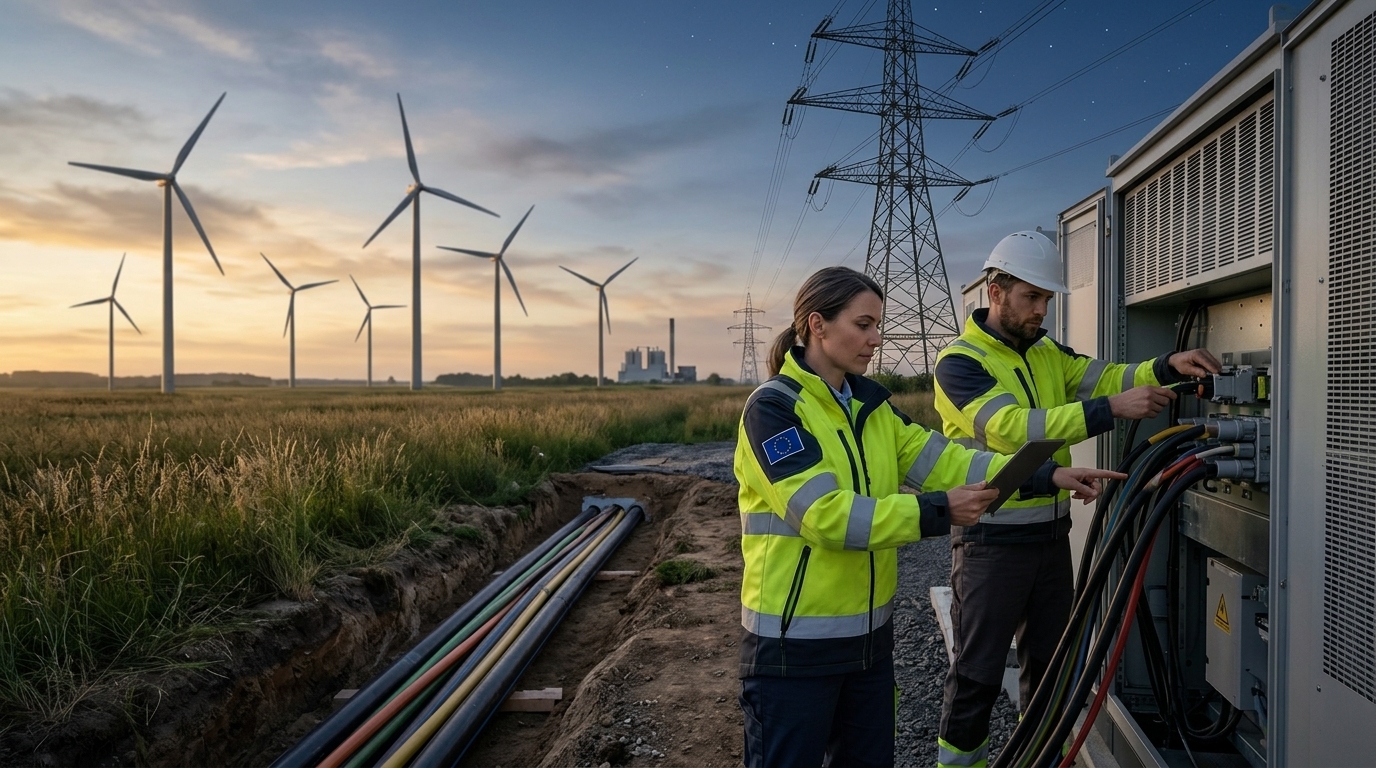
For decades, U.S. power was measured by the dollar and the Navy. Today, power is increasingly measured in gigawatts and GPU clusters. The first and perhaps most daunting challenge to American dominance is infrastructure. Next-generation models require staggering amounts of energy, which the aging U.S. electrical grid is struggling to provide. To remain the epicenter of the "computational world," the U.S. must accelerate the licensing of next-gen nuclear reactors and modernize its transmission infrastructure.
Without cheap and abundant energy, data centers will migrate to other jurisdictions. An "America First" AI strategy necessitates energy liberation. Analysts argue that the bureaucracy involved in building new infrastructure is a greater threat to American hegemony than direct competition from China.
The Global Talent War and Immigration Reform
Artificial Intelligence is not built merely with code, but with human minds. Historically, the U.S.'s greatest advantage has been its ability to attract the world's brightest scientists. However, friction in the H-1B visa system and rising political xenophobia are creating significant hurdles. To maintain its lead, Washington should implement an "AI Visa" that allows PhD holders in critical fields to remain in the country automatically.
- Streamlining residency for STEM graduates from top-tier universities.
- Creating incentives for the repatriation of leading researchers.
- Investing in domestic education to cultivate a new generation of AI specialists.
China is investing billions to keep its talent within its borders. If the U.S. closes its doors, it is essentially exporting its innovation potential to its rivals.
Geopolitics and Supply Chain Control
The battle for AI is inextricably linked to the battle for semiconductors. The export controls imposed over the last few years on advanced processors heading to China were only the beginning. Sustaining supremacy requires ensuring that the U.S. and its allies (so-called "friend-shoring") control the most advanced lithography plants. The CHIPS and Science Act was a positive step, but its execution must be faster and more aggressive.
"AI is the new steel, the new electricity, and the new nuclear energy all at once. Whoever controls it, controls the future of the global economy."
Furthermore, AI diplomacy will play a pivotal role. The U.S. must lead in setting international safety standards—not to stifle innovation, but to ensure that the technology develops in alignment with democratic values, creating a bulwark against the authoritarian use of algorithms.
Regulatory Agility: The Middle Path
Finally, there is the question of regulation. While the European Union has chosen the path of strict, precautionary regulation (the AI Act), the U.S. must find a balance. Over-regulation could stifle startups, while a total lack of rules could lead to social destabilization and a loss of public trust.
The American approach must be dynamic, focusing on high-risk applications without imposing horizontal barriers to research. Maintaining AI supremacy is not a finish line, but a continuous race where speed and direction are equally vital for national security and economic prosperity.