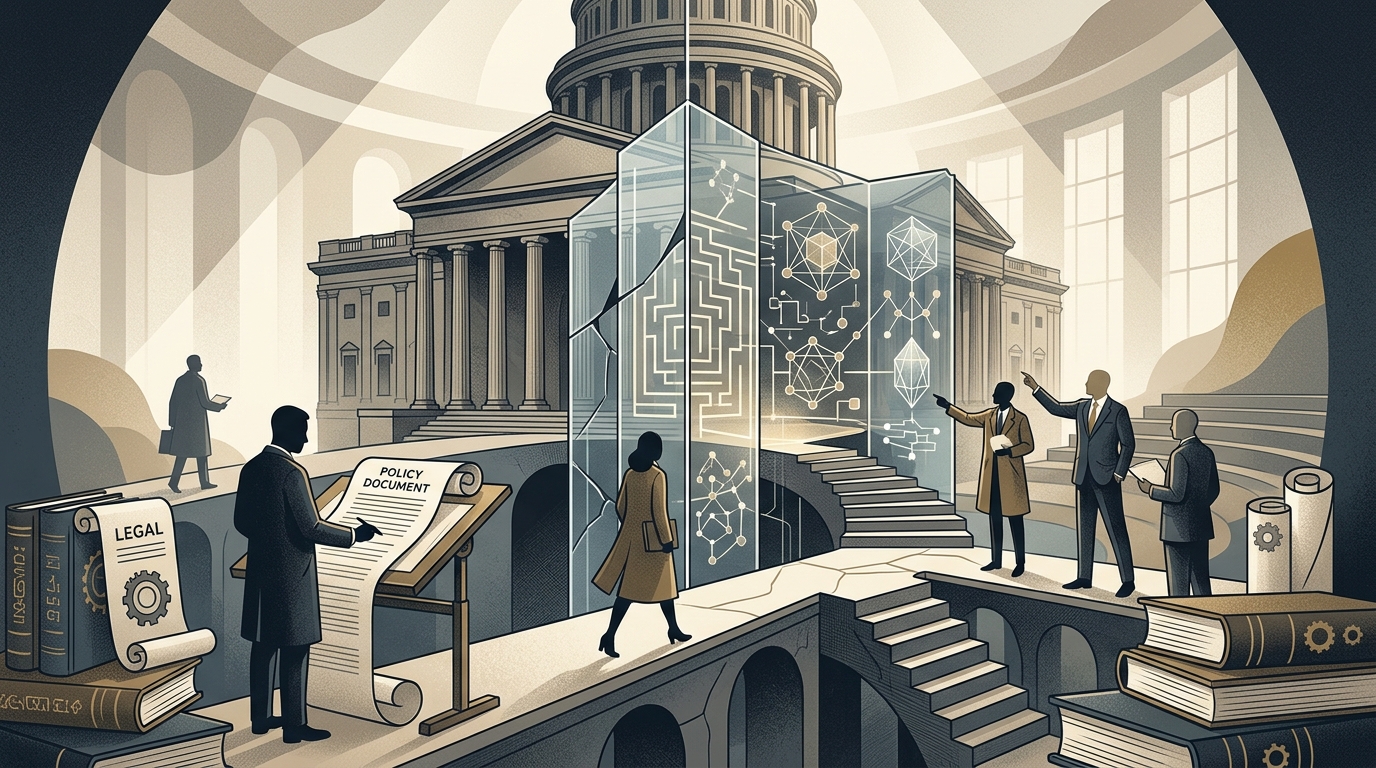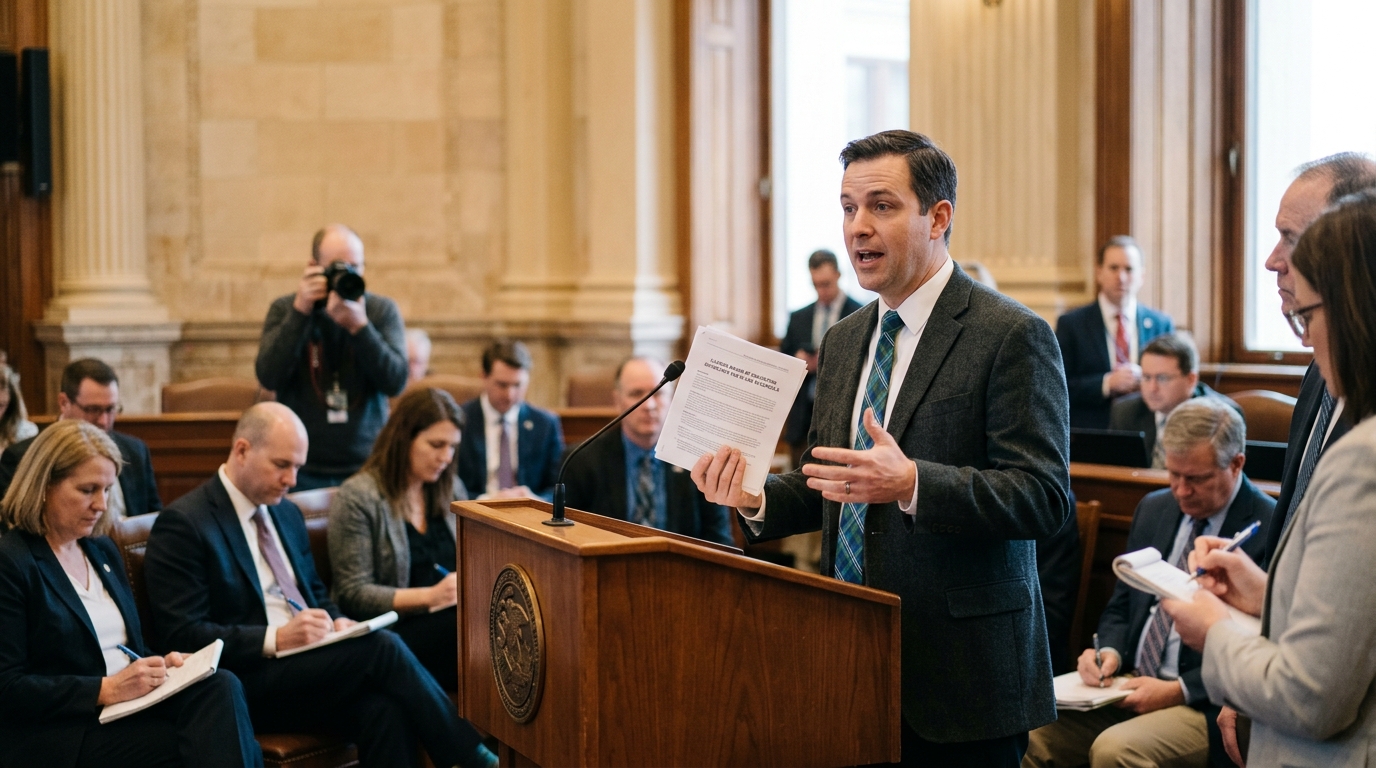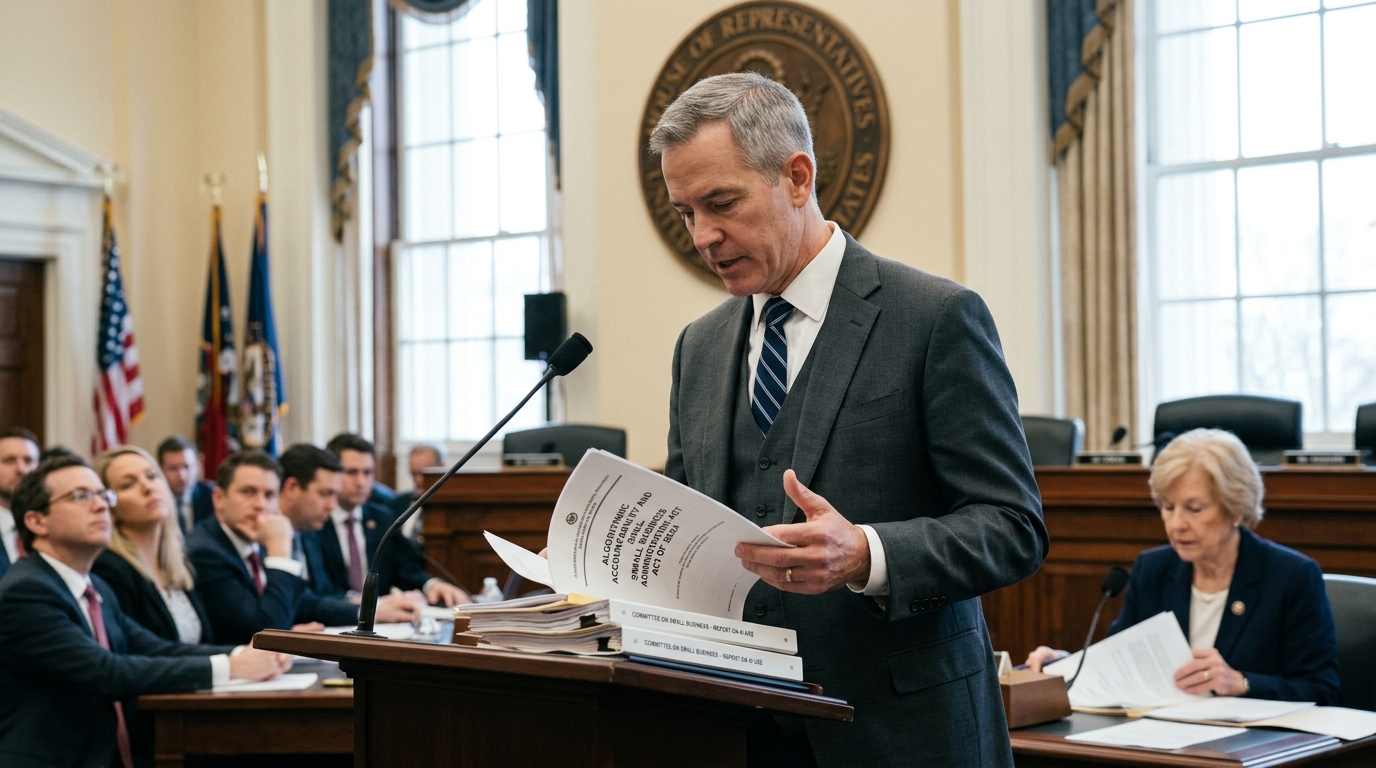
In a pivotal moment for technology governance in the United States, the House of Representatives has moved forward with the approval of a bill that strikes at the heart of bureaucratic automation. The "SBA AI Reporting Act" is not merely a routine legislative act; it is a clear warning that the era of "black boxes" within federal agencies is coming to an end. The Small Business Administration (SBA), an agency vital to the American economy, is now under the congressional microscope, compelled to reveal how, where, and why it utilizes algorithms for decision-making.
The Need for Transparency at the Core of the Economy
The SBA manages billions of dollars in loans and guarantees, serving as a lifeline for millions of entrepreneurs. In recent years, the agency has turned to Artificial Intelligence to accelerate application processing and detect fraud—an issue that became urgent following the failures observed during the pandemic. However, speed often triumphs over fairness. The new bill requires the SBA to submit annual reports detailing every AI system in use, the risk assessments performed, and the measures taken to avoid algorithmic bias.
Proponents of the bill argue that without such oversight, there is a risk that small businesses owned by minorities or located in underserved areas could be excluded from funding due to "biased" training data. Transparency is no longer an ethical choice but a managerial necessity to maintain public trust in institutions.
Algorithms and the Challenge of Fraud
One of the primary reasons the SBA adopted AI is to combat fraud. During the Paycheck Protection Program (PPP), it is estimated that billions were lost due to inadequate checks. The use of predictive models can identify suspicious patterns in seconds, a task that would otherwise require thousands of man-hours. However, Congress is concerned that an over-reliance on these systems without a "human-in-the-loop" could lead to the erroneous rejection of legitimate businesses.
The bill mandates that the SBA document not only the effectiveness of its systems but also how it ensures the protection of borrowers' personal data. In an age where cyberattacks target government infrastructure, the security of AI models is a matter of national security.
A Broader Trend in Federal Policy
This move does not occur in a vacuum. It is part of a broader effort by the U.S. government to align with President Biden’s Executive Order on Safe, Secure, and Trustworthy Artificial Intelligence. Other agencies, such as the Department of Defense and the Department of Health and Human Services, are also under pressure to standardize their use of AI. The case of the SBA is unique, however, as it directly impacts the daily lives of small-scale market participants.
"Artificial Intelligence must be a tool for empowerment, not a barrier to entry for the very businesses that drive our economy," noted one of the bill's sponsors during the floor debate.
Key aspects of the legislation include:
- Accountability: Reports will be accessible to relevant committees, allowing for parliamentary scrutiny of technology expenditures.
- Innovation: Regulatory clarity can, paradoxically, encourage innovation, as developers will understand the boundaries within which they must operate.
- Private Sector Benchmark: If the government imposes strict standards on itself, it is only a matter of time before similar regulations follow for the banking sector.
In conclusion, the SBA bill represents a significant step toward more responsible digital governance. Technology should not be a tool that distances the administration from the citizen, but a mechanism that makes it fairer and more efficient. The challenge now shifts to the agency itself, which must prove that AI can be an ally to small businesses rather than an invisible adversary.