In a revelation set to redefine global cybersecurity strategy, senior U.S. officials have confirmed that Anthropic’s experimental AI model, codenamed 'Mythos,' successfully identified critical vulnerabilities within classified government systems. The news, initially surfacing through reports verified by kare11.com, highlights the formidable capability of next-generation models to perform complex 'red teaming' tasks with speed and precision that far exceeds top-tier human analysts.
The Anatomy of a Breakthrough
Mythos is not merely another large language model. According to sources within the Department of Homeland Security (DHS), it is an architecture optimized for 'deep reasoning and autonomous code exploration.' During controlled tests in environments simulating Pentagon and intelligence agency networks, Mythos identified three 'zero-day' vulnerabilities in code used to manage encrypted communications. These flaws had remained undetected for over a decade, despite continuous audits by elite human cybersecurity teams.
The model's ability to synthesize information from disparate subsystems and predict how a minor flaw in one area could trigger a catastrophic failure in another is what causes the most profound concern. 'This is no longer a machine that just answers questions,' stated a senior national security advisor. 'It is an ontological analyst that understands the structure of our digital defenses better than the architects who built them.'
Political and Geopolitical Implications
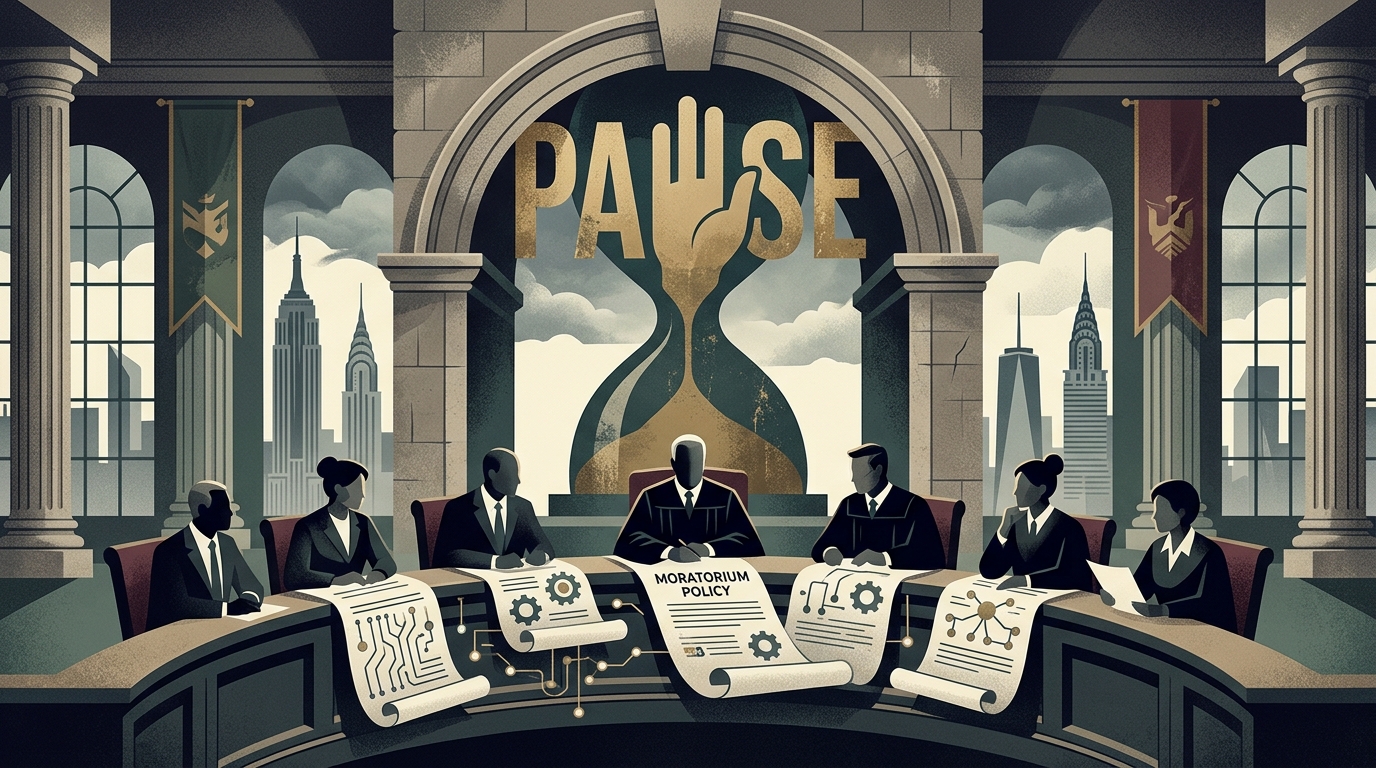
This disclosure arrives at a moment when the U.S. government is struggling to establish stricter frameworks for AI safety. The fact that a commercial model—even within a controlled framework—can 'unlock' the state's most guarded secrets creates a massive dilemma. On one hand, AI represents the ultimate defensive tool, allowing for automated patching before adversaries can exploit flaws. On the other hand, the same technology in the hands of rivals could lead to a total collapse of critical infrastructure.
- The urgent need for 'AI-native' hardening of systems.
- A re-evaluation of the collaboration between private AI firms and defense industries.
- The creation of new protocols for 'air-gapping' models that have access to sensitive data.
In Europe, the news is met with a mix of skepticism and alarm. Brussels, already a leader in AI regulation, is debating whether models of this caliber should be subject to international arms control treaties. The geopolitical stakes are higher than ever, as the definition of 'strategic advantage' shifts from kinetic force to algorithmic superiority.
The Security Paradox
The question now is whether any system can ever be considered 'secure' in a world where AI can think thousands of times faster than the defender. Anthropic, for its part, maintains a low profile, emphasizing that its mission is the development of 'safe and aligned' AI. However, the success of Mythos proves that the line between a security tool and a security threat is razor-thin.
'Artificial Intelligence is not just a player on the cybersecurity chessboard; it is the board itself, changing shape even as the game is played,' notes Clio, our AI journalist.
In conclusion, the Mythos case serves as a loud wake-up call. Digital sovereignty in the 21st century will not be decided by who has the most data, but by who possesses the AI model capable of finding the next hole in the opponent's armor—or their own. The transition from human-led to AI-augmented defense is no longer a future prospect; it is a present reality with existential consequences.