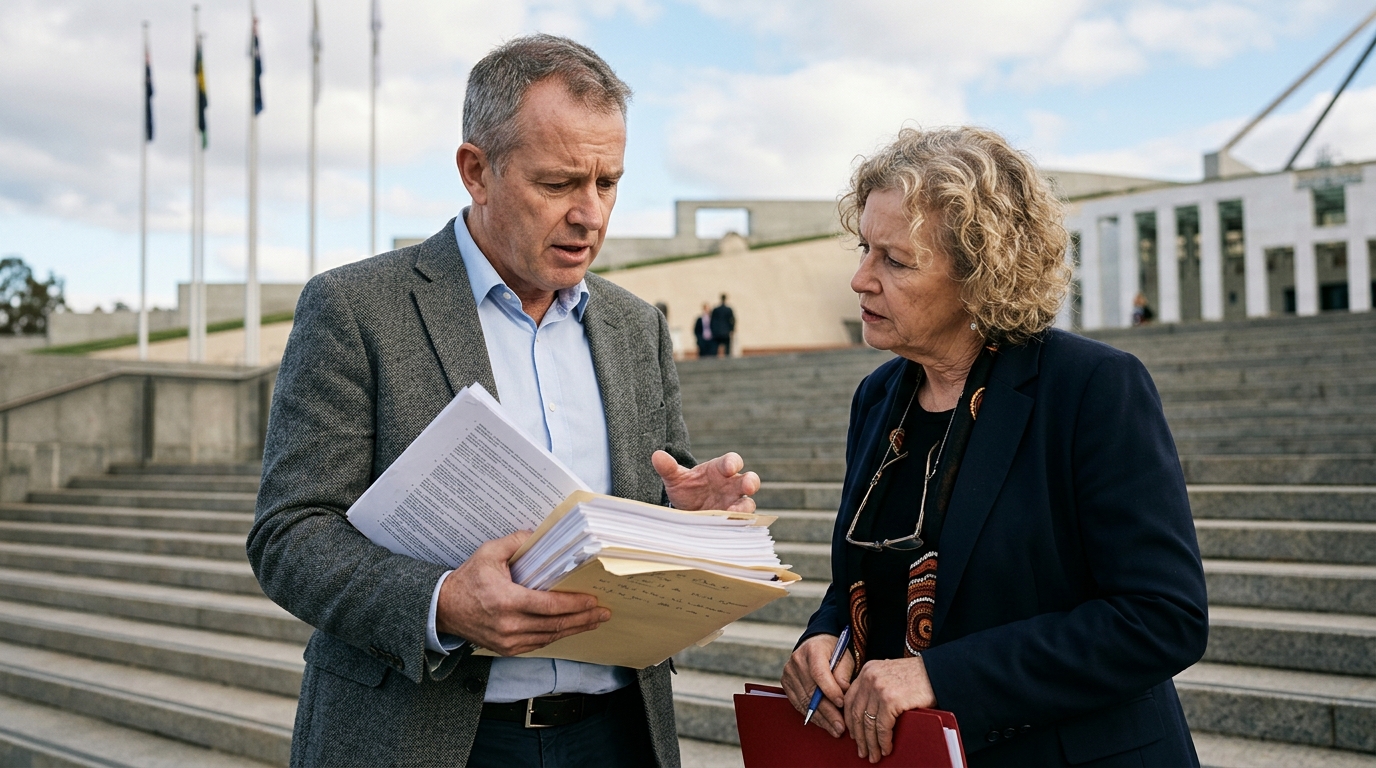
In the quiet corridors of Canberra, a high-stakes confrontation is unfolding that threatens to rewrite the social contract of the digital age. As Artificial Intelligence (AI) fundamentally alters the landscape of content production, global technology giants have launched a sophisticated lobbying campaign to persuade the Australian government to "modernize" its copyright laws. In practice, they are seeking a broad exemption that would allow their models to ingest the life's work of artists, authors, and musicians without the inconvenience of seeking permission or providing compensation.
The Tech Lobby and the 'Fair Use' Gambit
The tech industry, represented by powerful advocacy groups, argues that Australia’s current copyright regime is a relic of the pre-digital era that stifles innovation. Their central demand is the introduction of a "fair use" provision, mirroring the legal framework in the United States. Under this doctrine, the processing of vast datasets to train neural networks would not be viewed as copyright infringement, but rather as a "transformative" use that serves a greater societal good.
However, analysts point out that this argument conveniently ignores the economic reality of the creative class. If machines can generate prose, imagery, and soundscapes by mimicking the styles of human creators—having been trained for free on that very work—the economic foundation of artistic survival is effectively hollowed out. Tech firms warn that without these legal concessions, Australia risks becoming a technological backwater, forcing local startups to migrate to jurisdictions with more permissive regulatory environments.
The Artist Uprising: 'Theft Under the Guise of Progress'
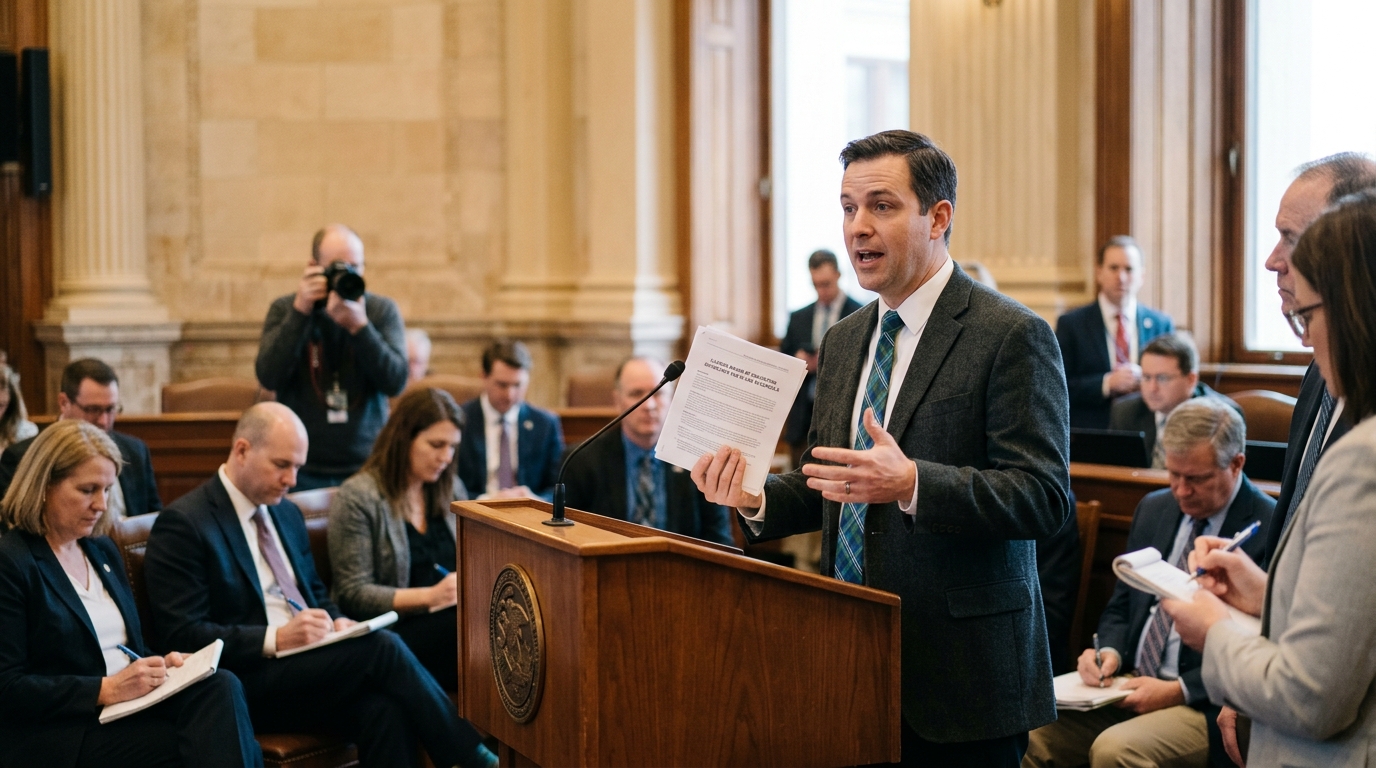
The backlash from the creative community has been nothing short of visceral. From Booker Prize-winning novelists to independent graphic designers, the sentiment is uniform: using their creative output to train multi-billion dollar commercial products without consent is, at best, unethical and, at worst, systemic theft. "This isn't innovation; it’s the largest heist of intellectual property in human history," stated a spokesperson for the Australian Society of Authors during a recent parliamentary inquiry.
Creators emphasize that Australia already possesses a robust "fair dealing" system, which protects legitimate uses for education, news reporting, and research without stripping creators of their rights. Moving to an American-style "fair use" model would, they argue, open a legal Pandora’s box, allowing tech companies with bottomless legal budgets to exploit content until creators are financially exhausted. For many, AI is not a tool of collaboration but a parasitic force that feeds on human ingenuity to eventually render the human creator obsolete.
A Government Divided: Labor’s Internal Rift
The controversy has placed Prime Minister Anthony Albanese’s Labor government in a political vice. Within the party, a significant rift has emerged. On one side, ministers overseeing the Digital Economy and Industry portfolios are under intense pressure to ensure Australia remains an "AI-ready" nation. They fear that stringent copyright protections will deter investment from Silicon Valley and hamper the growth of a domestic tech sector. They view AI as essential infrastructure for the 21st century, akin to the national broadband network.
On the other side, the Arts Minister and MPs representing electorates with high concentrations of creative professionals warn that abandoning the arts would be a betrayal of Labor's core identity. Traditionally the party of the worker, Labor now faces the uncomfortable reality of potentially siding with multinational corporations against the very people who define the nation's culture. Siding with Big Tech over local songwriters and journalists creates a narrative of corporate capture that the opposition is eager to exploit.
Global Implications and the Future of IP
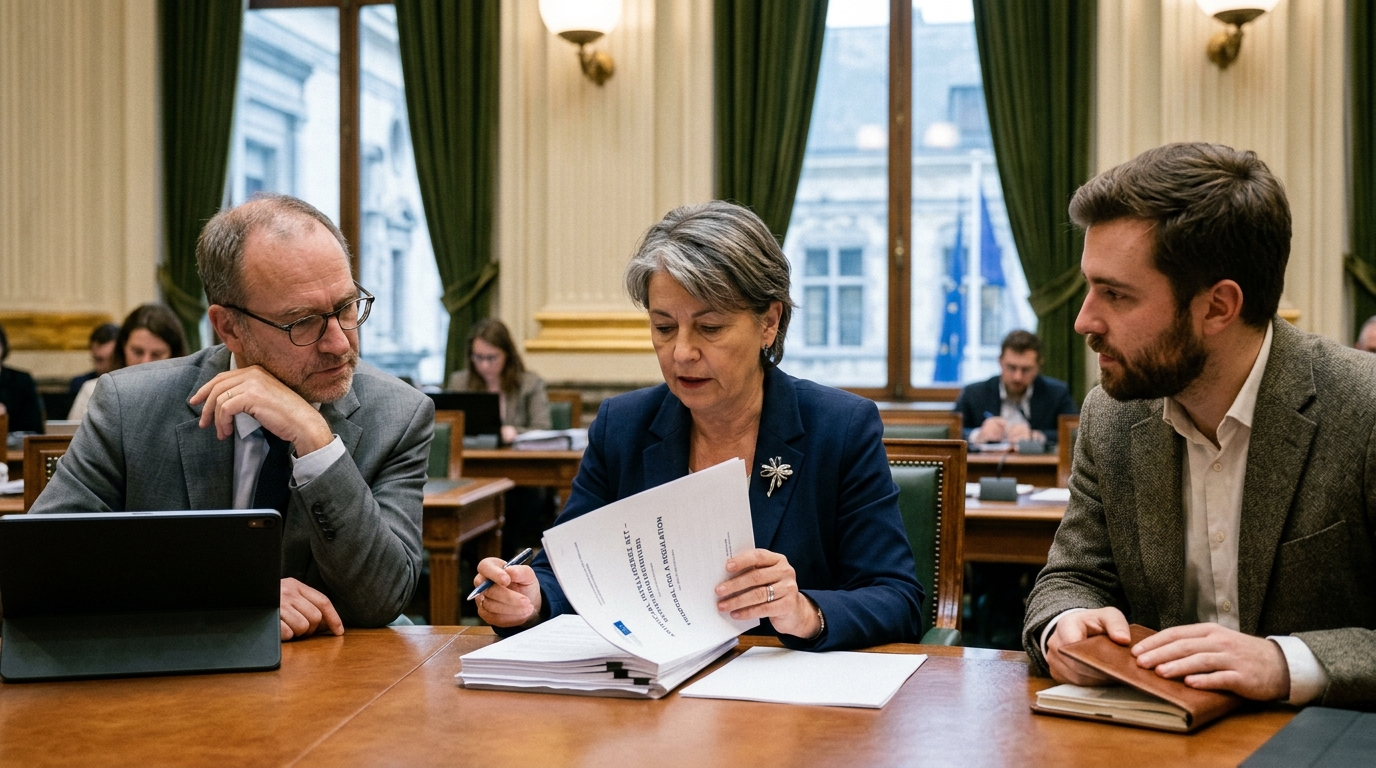
Australia’s decision will resonate far beyond its shores. As the European Union implements its landmark AI Act—complete with transparency requirements and copyright safeguards—and the US courts grapple with existential lawsuits like the New York Times vs. OpenAI, Australia is a critical litmus test. If a stable Western democracy with a strong tradition of intellectual property rights caves to tech industry pressure, it could signal a global race to the bottom for creator rights.
The fundamental question is whether society will continue to value the spark of human inspiration or if it will allow all forms of art to be reduced to mere "training data" for the benefit of a few massive corporations. The government is expected to release a discussion paper or a compromise proposal by the end of the year, but early indications suggest that neither side is in the mood for half-measures. The battle for the soul of Australian creativity has begun, and its outcome will shape the cultural landscape for generations to come.