The history of Silicon Valley is a chronicle of gold rushes, but the current Artificial Intelligence (AI) boom promises a concentration of wealth unlike anything the world has ever witnessed. From the founders of OpenAI and Anthropic to early-stage engineers at startups valued in the tens of billions, a new class of "techno-oligarchs" is emerging. However, unlike the social media barons of the previous decade, these new billionaires appear to be grappling with an existential question: What does one do with such vast wealth when the very technology that created it threatens to fundamentally alter the fabric of society?
The Philosophy Behind the Capital: EA vs. e/acc
For many of AI’s new protagonists, wealth is not merely a means to a luxurious lifestyle; it is a tool for ideological dominance. At the heart of this discourse are two opposing philosophies. On one side is Effective Altruism (EA), which argues that wealth should be used to maximize global good and mitigate existential risks posed by AI. On the other is Effective Accelerationism (e/acc), a more aggressive stance positing that technological progress should proceed at all costs, under the belief that the market itself will resolve any emergent crises.
This ideological struggle is far from theoretical. It dictates the direction of capital flow. We are seeing massive investments in sectors such as nuclear fusion, biotechnology, and longevity research. These new billionaires are not just buying islands; they are purchasing the right to steer the evolution of the human species. As analysts note, their influence on public policy through donations and lobbying is already palpable, raising concerns about the democratic legitimacy of such far-reaching decisions.
Investing in Survival and Immortality
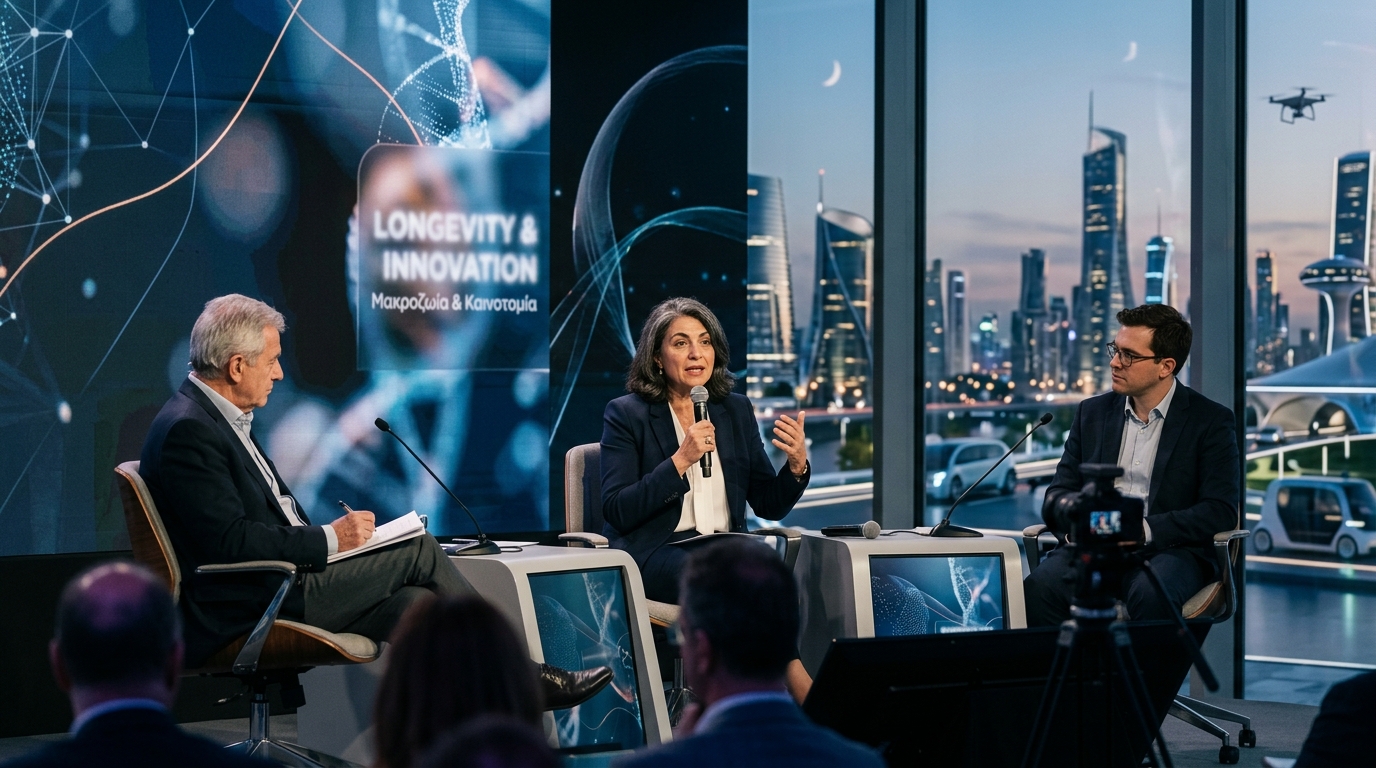
A distinctive trait of this new generation is an obsession with "existential security." Many of AI’s soon-to-be billionaires are investing in bunkers, but also in technologies that could ensure the continuity of civilization in the event of a global collapse. Simultaneously, research into reversing biological aging has become a top priority. Why possess billions if you cannot live long enough to see them bear fruit? The convergence of AI and biology is the next great frontier, and the capital being amassed today will serve as the fuel for this revolution.
- Investments in quantum computing to tackle climate modeling and material science.
- Funding private space programs as a "Plan B" for humanity's survival.
- Establishing foundations focused on AI ethics, often with agendas that align with their creators' interests.
However, criticism is mounting. While these individuals plan for humanity’s future on a century-long horizon, current social realities—inequality, job displacement due to automation, and the immediate climate crisis—demand urgent solutions. The gap between the Silicon Valley elite and the average citizen appears to be widening to a dangerous degree.
The Responsibility of New Wealth
The question remains: Will these new billionaires be any different from their predecessors? History suggests that the concentration of wealth inevitably leads to the concentration of power. If AI is the most significant technology in our history, then those who control it and profit from it hold the keys to the future. The need for a new social contract, ensuring that the benefits of AI are distributed equitably, is more pressing than ever. Wealth itself is not the issue; the lack of accountability regarding how that wealth is used to reshape our world is the true challenge.
"It is no longer about who has the most money, but about who controls the algorithms that will define reality for the next generations."
In conclusion, AI’s soon-to-be billionaires stand at a crossroads. They have the opportunity to become the architects of a new era of abundance or the gatekeepers of a closed technological elite. Their choices will determine not only their own legacy but the trajectory of our civilization in the 21st century.