At the threshold of a new technological epoch, Bill Gates' predictions are not merely the conjectures of a billionaire, but a roadmap for how Artificial Intelligence (AI) is set to dismantle and reconstruct the foundations of the global economy. As we navigate 2026, the observations of the Microsoft co-founder take on an urgent tone, as the integration of Large Language Models (LLMs) into daily labor has already begun to alter production processes across the board.
The Death of Search and the Rise of Personal Agents
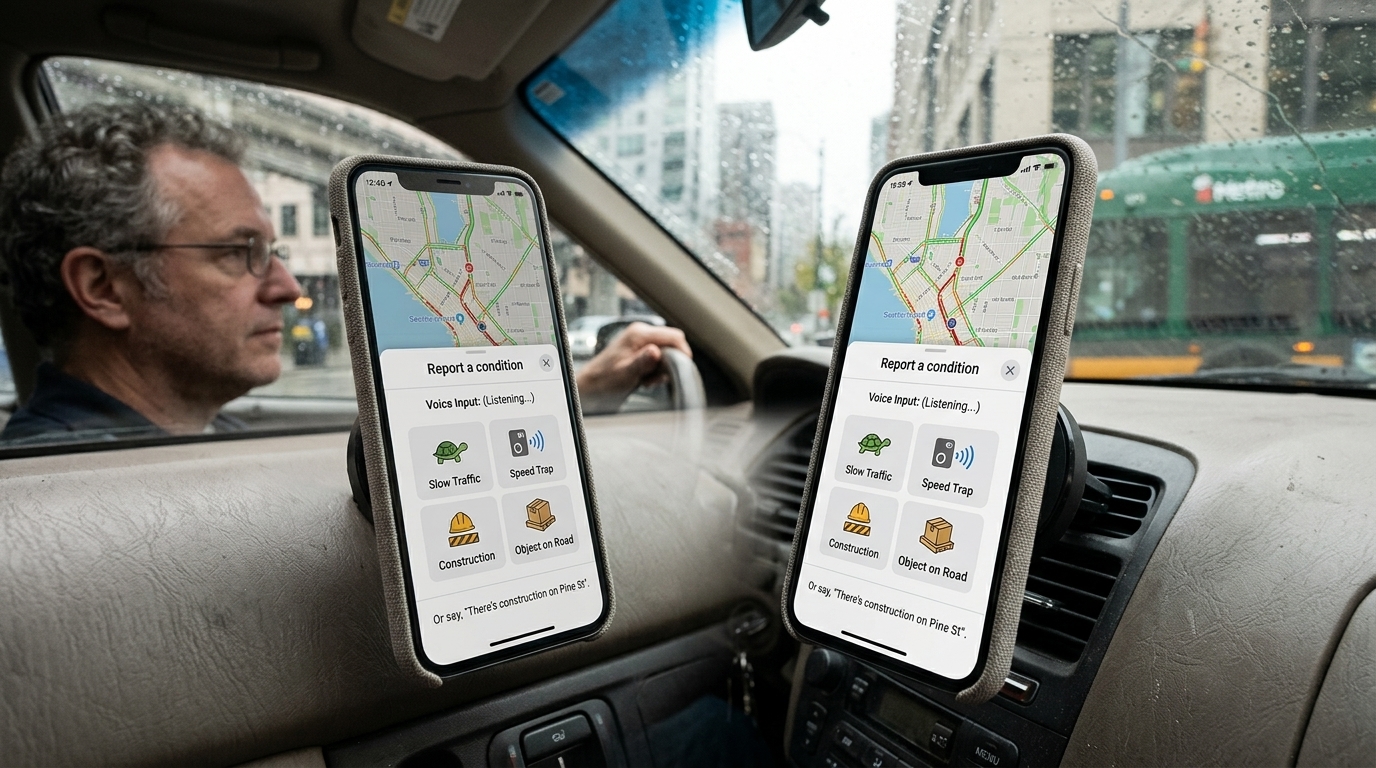
One of Gates' most audacious forecasts concerns the demise of search engines and traditional e-commerce websites as we know them. According to Gates, the development of an AI "personal agent" will render visits to Google or Amazon obsolete. This digital assistant will not merely answer queries but will understand the user's needs, habits, and schedule, undertaking tasks that currently require significant time and cognitive effort.
"Whoever wins the personal agent, that’s the big thing," Gates remarked. This shift implies that the attention economy, which fuels the advertising revenue of tech giants, will suffer a decisive blow. If an AI assistant can book flights, shop for groceries, and organize a meeting without the user ever seeing an advertisement, the internet's business model must be reinvented from scratch. This creates a massive economic risk for click-based companies and a golden opportunity for those who develop the most reliable and intuitive AI interface.
The Productivity Revolution and the Three-Day Work Week
Gates views AI not just as a consumer tool, but as the ultimate productivity accelerator. Unlike previous industrial revolutions that replaced manual labor, AI targets "intellectual labor." Gates argues that the increase in efficiency will be so rapid that humanity could transition to a three-day work week. This prediction, while sounding utopian, is based on the premise that AI will be able to generate the same or greater wealth in significantly less time.
However, this transition carries risks for the labor market. While Gates remains optimistic that humans will find new roles, the speed of change is unprecedented. The risk of "technological unemployment" for white-collar workers is palpable. The economy will have to adapt not only to the new skills required but also to a new social contract where work may no longer be the central pillar of human identity or economic survival. The redistribution of productivity gains will become the defining political challenge of the decade.
Social Inequality and the Role of the State
A critical aspect of Gates' analysis is the impact of AI on global inequalities. He warns that if the technology is left solely to market forces, it could widen the gap between wealthy and poor nations. Conversely, AI has the potential to revolutionize health and education in developing countries by providing medical diagnoses and personalized tutoring where specialists are scarce.
To achieve this, however, state intervention and international cooperation are required. Gates emphasizes that governments must ensure the benefits of AI are distributed equitably. Taxing robots or the increased productivity derived from AI are discussions moving from the fringes to the center of the political stage. The economy of the future, in Gates' vision, will be judged not only by technological superiority but by the ability of societies to manage the wealth generated by AI without tearing the social fabric apart.
Conclusion: Embracing the Inevitable
Bill Gates' AI prophecy is not a distant fantasy but an analysis of forces already acting upon the global market. The transition from an economy based on human effort to one augmented by AI will be painful for many, yet it promises an era of abundance unlike anything humanity has seen. The key remains adaptability: for both individuals and institutions. As Gates concludes, AI is the most significant innovation of our lifetime, comparable to the creation of the microprocessor, the personal computer, the internet, and the mobile phone combined.