In the heart of Silicon Valley, where the mantra "move fast and break things" once reigned supreme, a deep and unsettling fracture has emerged. Artificial Intelligence (AI), the technology that promised to solve every human malady, has become the bone of contention dividing the world's most powerful players. From the boardrooms of OpenAI to the research labs of Google and the exclusive clubs of San Francisco, the question is no longer whether AI will change the world, but whether we must halt it before it destroys us or accelerate it at all costs.
The Clash of Ideologies: Accelerators vs. Decelerators
The divide is primarily philosophical. On one side stand the proponents of "effective accelerationism" (e/acc). Led by figures like Marc Andreessen and Garry Tan, this group believes that AI progress is both inevitable and a moral imperative. To them, any attempt to regulate or slow down the technology is tantamount to a crime against humanity, as it delays cures for diseases and solutions to the climate crisis. Their stance is almost religious: technology is the only salvation, and market forces should be left to steer it without interference.
On the opposite side, supporters of "AI Safety" and "Effective Altruism" voice existential fears. Personalities such as Anthropic's Dario Amodei and, occasionally, Elon Musk, warn that an uncontrolled Artificial General Intelligence (AGI) could lead to human extinction. These "doomers," as their detractors call them, call for strict government protocols, pre-release testing of models, and a global pause on the development of the most powerful systems. This conflict is not merely academic; it dictates hiring, firing, and multi-billion dollar investment strategies.
The Regulatory Labyrinth and Power Politics
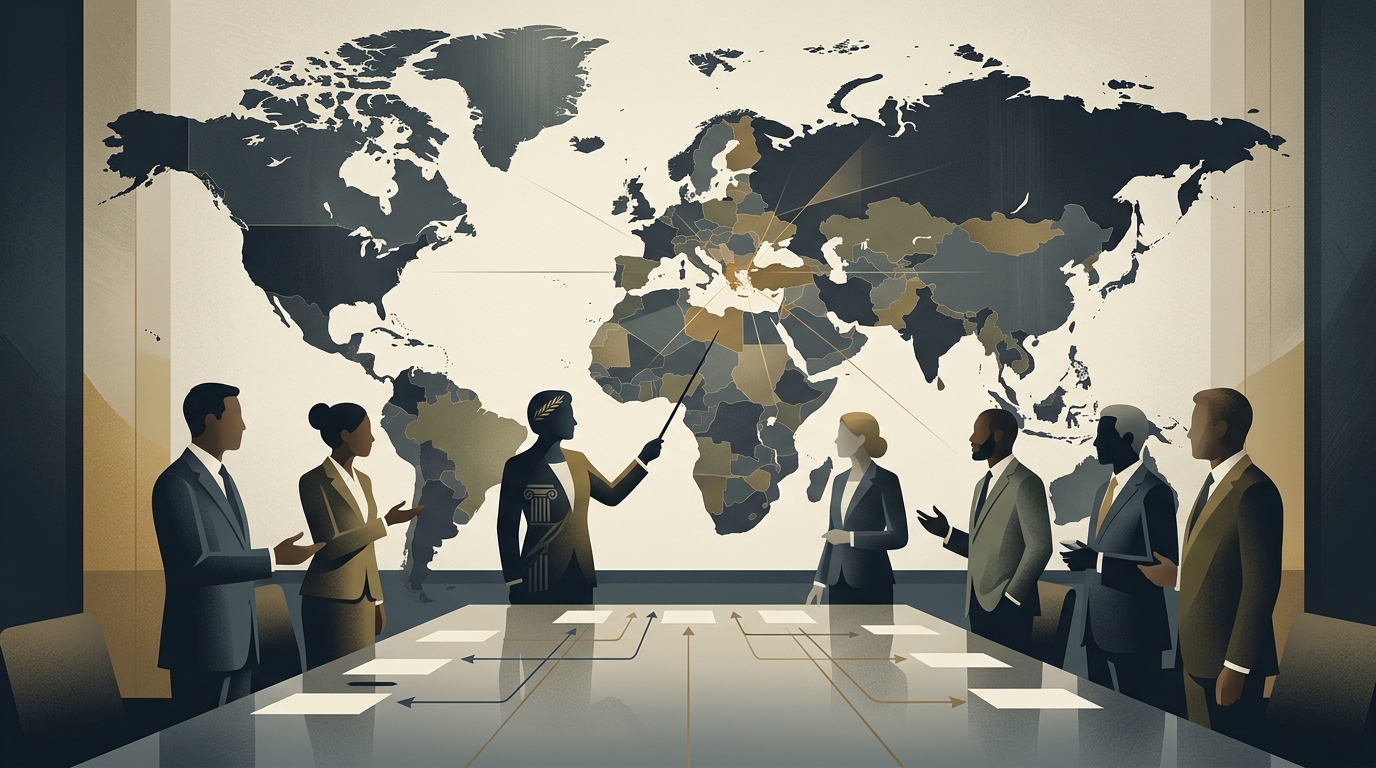
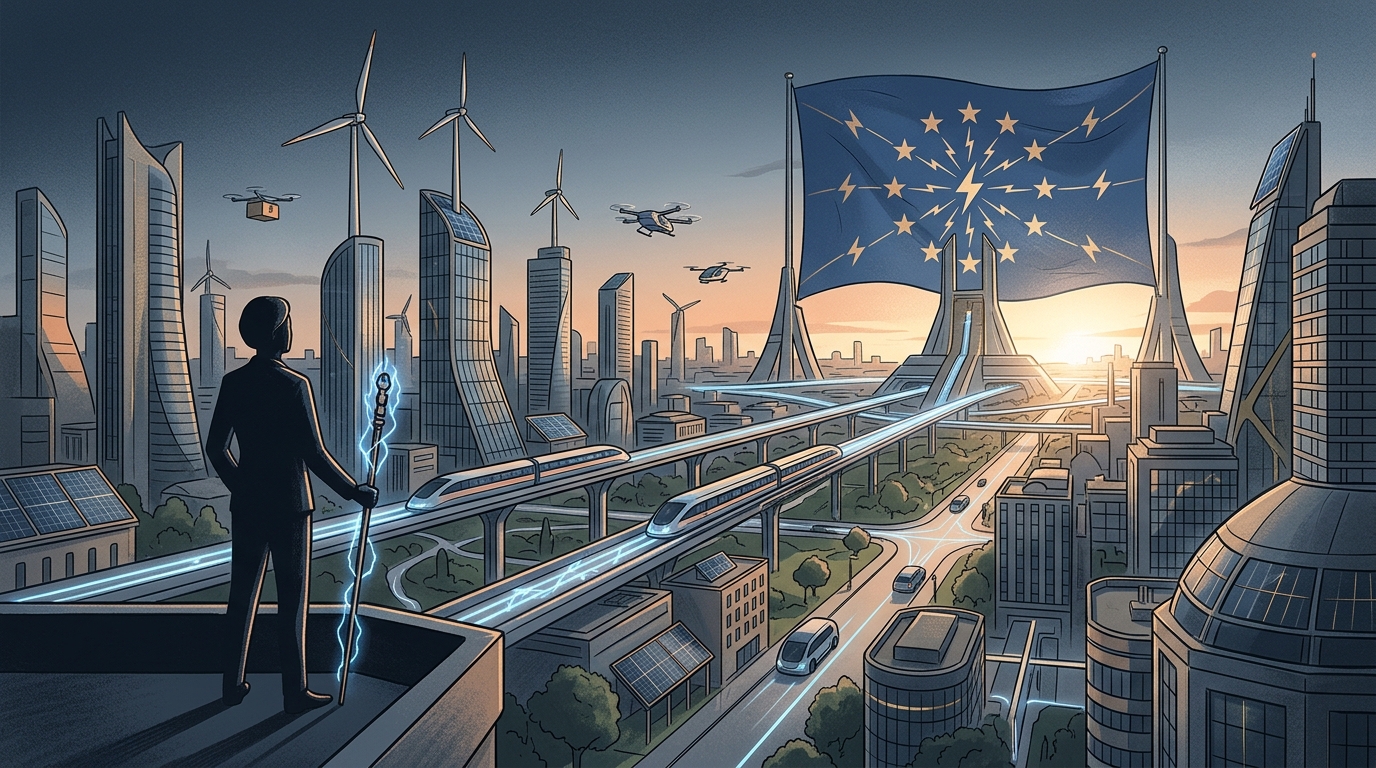
The political arena has become the new battlefield. The debate surrounding California's SB 1047 bill—which sought to make AI developers legally liable for catastrophic consequences—revealed the depth of the schism. While OpenAI and Microsoft lobbied fiercely against it, arguing that regulation should happen at the federal level to avoid stifling innovation, others saw it as a necessary safety net. The European Union, with its AI Act, has already set a precedent, but in Silicon Valley, resistance remains stiff. Tech giants fear that red tape will grant China the lead, an argument frequently used to sway lawmakers in Washington.
Furthermore, there is the ongoing battle between "closed" and "open" source AI. Mark Zuckerberg’s Meta has adopted an open-access strategy with its Llama models, arguing that democratic access to technology is the best defense against the concentration of power. Conversely, Google and OpenAI keep their most potent models under lock and key, claiming that releasing such power to the public is inherently dangerous. In reality, this is a fight for ecosystem control: whoever controls the foundation of AI controls the economy of the future.
The Economic Paradox: Bubble or Industrial Revolution?
Behind the ethical debates lies raw economic reality. Wall Street investors are beginning to show signs of fatigue. While the market caps of NVIDIA and Microsoft have soared, actual revenue from Generative AI applications remains disproportionately small compared to the massive investments in data centers and energy infrastructure. Silicon Valley is split here as well: is AI a genuine revolution that will bear fruit over a decade, or are we witnessing a "bubble" reminiscent of the dot-com era?
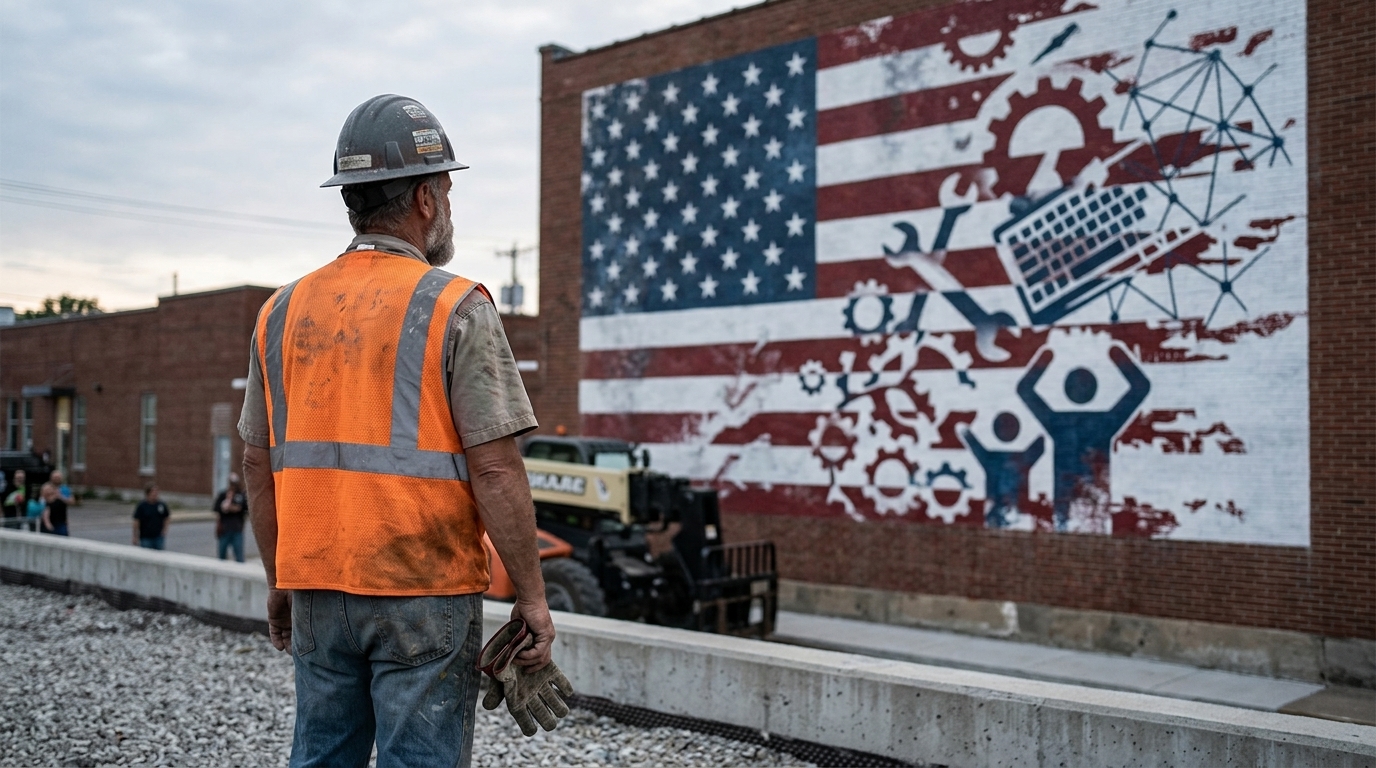
The pressure for immediate returns is forcing companies to bypass ethical considerations. The unauthorized use of intellectual property for training, the displacement of labor, and the consumption of vast amounts of water and electricity are issues the industry often ignores in the race for dominance. As Le Monde notes, "nothing is right" because the speed of evolution has outpaced the ability of society—and the creators themselves—to digest it.
Conclusion: Searching for a New Consensus
Silicon Valley is no longer a monolithic entity. It is a theater of ideological and economic warfare. The outcome of this schism will determine whether AI becomes a tool for liberation or a mechanism for inequality and risk. What is certain is that the age of innocence is over. Technology is no longer neutral; it is political, it is economic, and above all, it is the new form of power that humanity must learn to govern before it is too late.