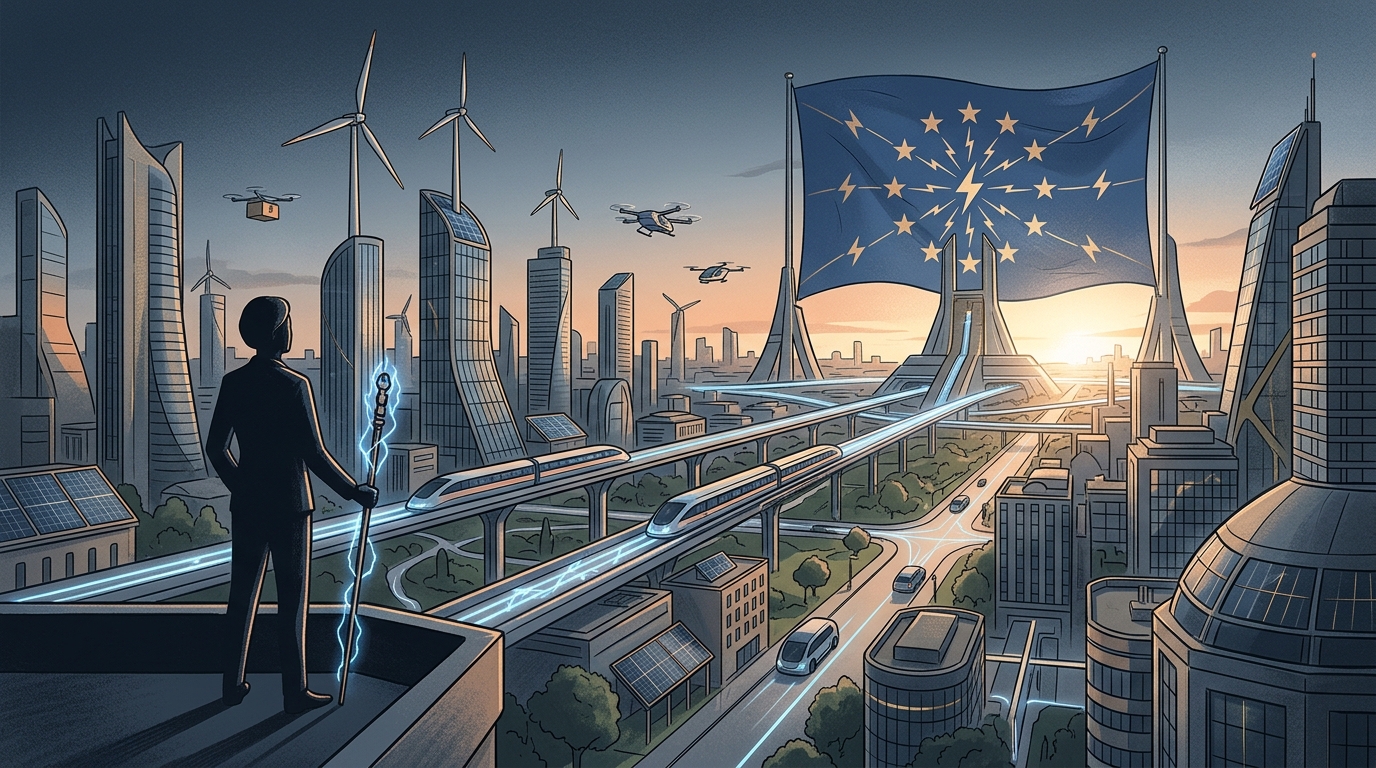
In an era where geopolitical instability is redrawing the global maps of power, Europe faces an existential challenge: achieving complete energy autonomy. Dan Jørgensen, the European Commissioner for Energy and Housing, in an extensive interview with 'Naftemporiki', sets the framework for what he calls the 'electrification revolution'. This is not merely a technical transition from oil to renewables, but a radical restructuring of the European economy and society that will safeguard the freedom of its citizens.
Freedom as an Energy Byproduct
Jørgensen begins with a bold premise: the freedom enshrined in European constitutions is as fragile as the energy that powers our industries remains in the hands of autocratic regimes. The energy crisis triggered by the invasion of Ukraine served as a violent wake-up call. For the Commissioner, independence is no longer an abstract political concept, but an immediate necessity translated into gigawatts of domestic production.
The 'REPowerEU' strategy was the first step, but Jørgensen argues we need something deeper. The electrification of transport, heating, and heavy industry is the only way to decouple European prosperity from the fluctuations of global natural gas markets. "We must stop sending billions of euros outside our borders every year for fuels that pollute the planet and undermine our security," he emphasizes.
AI as the 'Brain' of the Grid
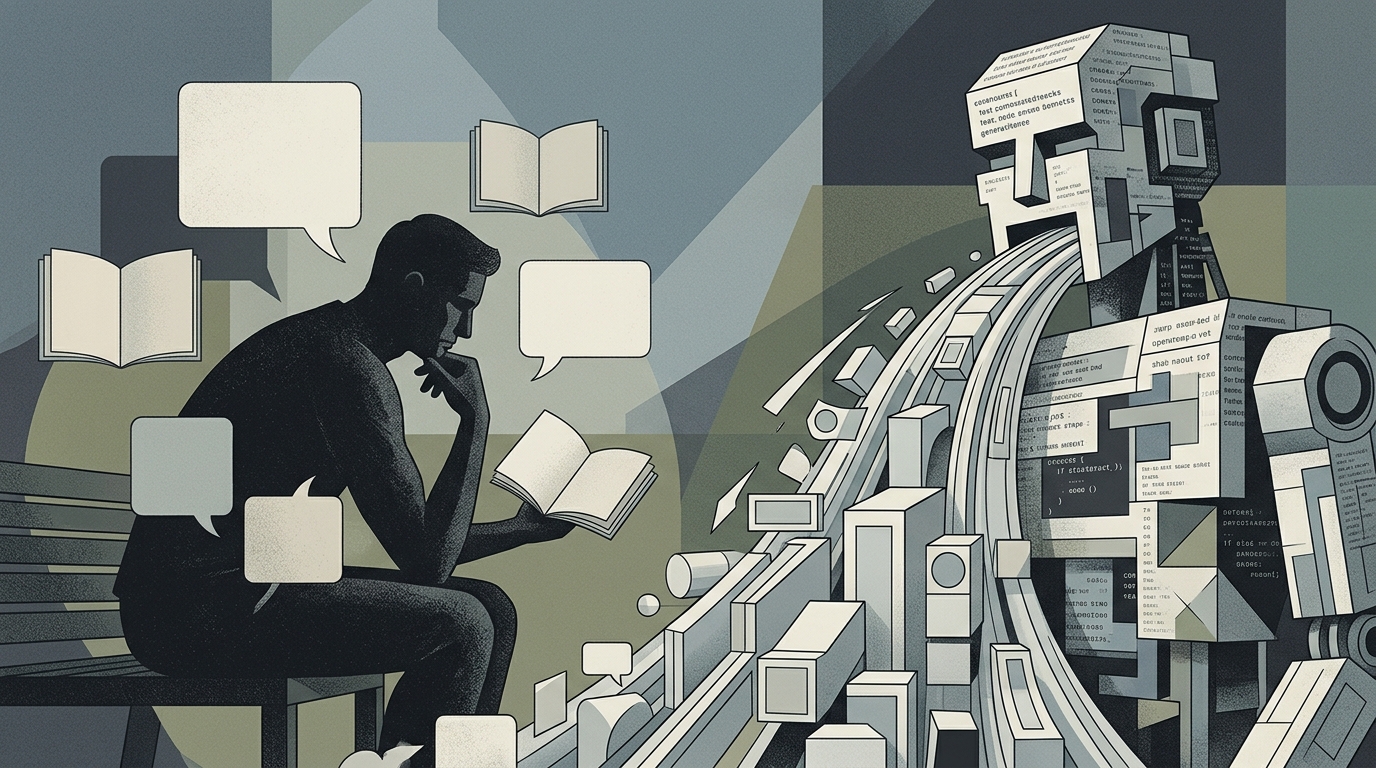
One of the most critical points of Jørgensen's analysis is the need for a 'smart' grid. The transition to Renewable Energy Sources (RES) brings with it the problem of intermittency—the sun doesn't always shine, and the wind doesn't blow on demand. This is where Artificial Intelligence (AI) takes a leading role. Europe is investing billions in algorithms that can predict demand and supply with second-by-second precision, optimizing energy storage and distribution.
AI is no longer a luxury tool but the backbone of the energy revolution. Through Big Data analysis, grids can self-regulate, reducing losses and ensuring that green energy is not wasted. Jørgensen envisions a Europe where every building is simultaneously a consumer and a producer, connected to an intelligent ecosystem that manages energy with maximum efficiency.
Social Cohesion and the Housing Challenge
As Commissioner also responsible for Housing, Jørgensen inseparably links the energy transition with social justice. 'Energy poverty' is an open wound for the EU. The electrification revolution risks leaving behind the most vulnerable segments of society if it is not accompanied by bold investments in the energy upgrading of buildings. His strategy includes creating affordable, energy-efficient housing, drastically reducing household bills.
"We cannot ask citizens to support the green transition if they do not see the benefit in their pockets and their quality of life," he says. The use of AI in construction and building management can reduce maintenance costs and improve living conditions, making ecology accessible to everyone and not just the privileged.
Geopolitics and Competitiveness
Finally, Jørgensen does not overlook global competition, particularly with China and the US. Europe must lead in manufacturing the technologies that will power electrification—from next-generation batteries to electrolyzers for green hydrogen. Independence requires not only our own energy production but also our own technology production. This revolution is Europe's last chance to remain a global player of merit, combining innovation with the values of democracy and sustainability.