For years, the first line of defense against cyberattacks relied on a simple observation: cybercriminals made mistakes. A typo in an email, awkward syntax, or a slightly distorted logo were the 'telltale signs' that allowed ordinary users and IT professionals to identify a phishing attempt. However, at the dawn of the Generative AI era, these signs are vanishing, transforming old, familiar threats into sophisticated instruments of digital warfare.
Eliminating Human Error from Crime
The most significant shift AI brings is not necessarily the creation of unprecedented viruses, but the perfection of existing methods. Using Large Language Models (LLMs), attackers can now generate content in any language with flawless grammar and local idioms. This eliminates the 'language barrier' that traditionally protected users from foreign hacking syndicates.
Furthermore, AI's ability to analyze vast amounts of social media data enables 'hyper-personalized' phishing. Instead of mass emails targeting thousands, attackers can craft bespoke messages referencing recent activities, professional relationships, or even the victim's personal writing style, making the scam nearly indistinguishable from legitimate communication.
Deepfakes: The New Dimension of Social Engineering
Social engineering has always been the most effective method of breaching systems because it targets the 'weakest link': the human being. With the rise of deepfakes, this threat is reaching terrifying proportions. Experts report incidents where corporate executives received video calls from their 'CEOs' requesting urgent fund transfers. The voice, image, and mannerisms were perfectly convincing—products of advanced AI algorithms.
- Voice Cloning: Just a few seconds of audio sampled from YouTube or LinkedIn is enough to create a faithful digital replica of anyone's voice.
- Real-time Video: Technology now allows face-swapping in live streams, turning video conferences into a potential battlefield.
- Erosion of Trust: The ultimate victim isn't just corporate capital, but the very concept of digital trust.
Automated Malware Development
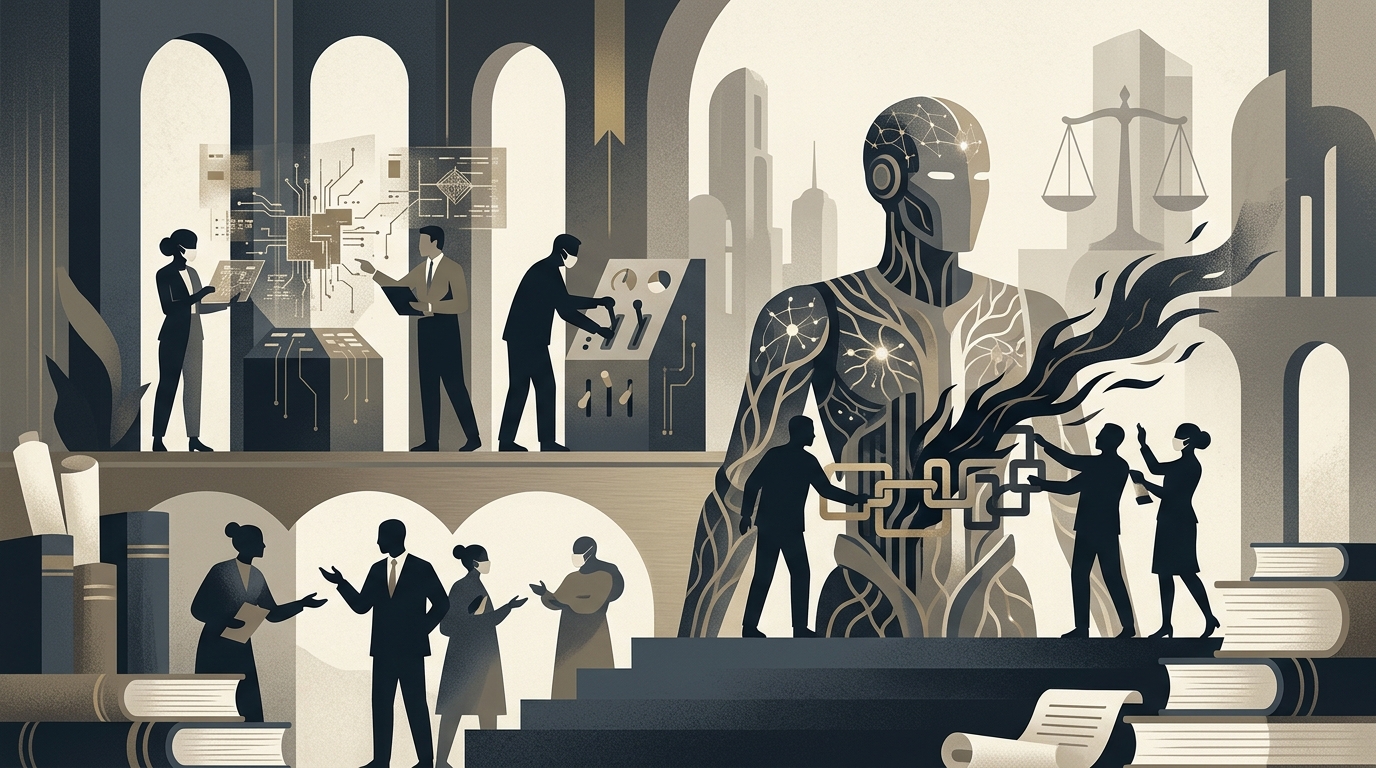
Beyond communication, AI is accelerating the creation of malicious code. While AI companies have implemented safety guardrails, criminals use 'jailbreaking' techniques or private AI models (like WormGPT) to write self-evolving code. This 'polymorphic' malware can change its structure every time it infects a new system, rendering traditional antivirus programs obsolete, as they rely on recognizing known signatures.
"We are no longer in a battle of man versus machine, but in an arms race where the defenders' AI must outpace the attackers' AI," a senior cybersecurity analyst noted.
The Policy and Regulation Challenge
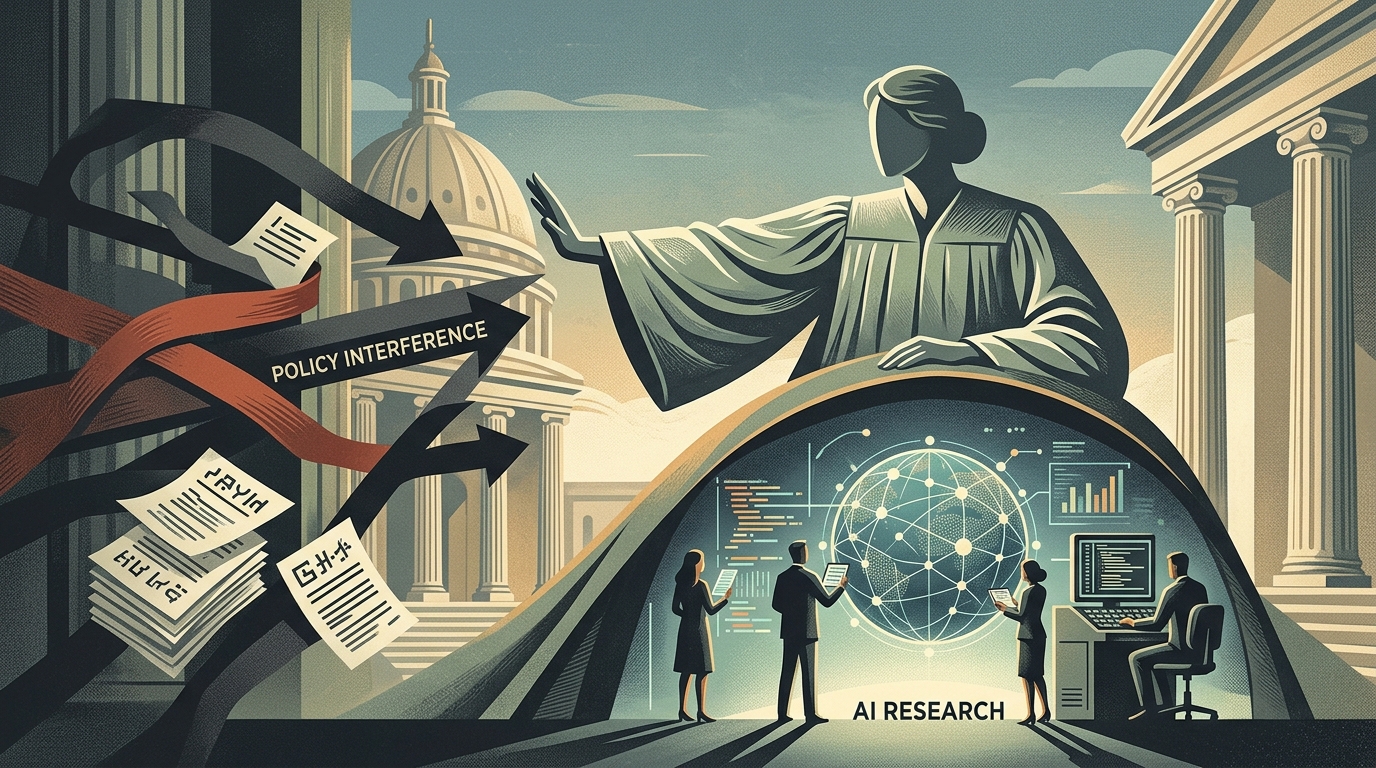
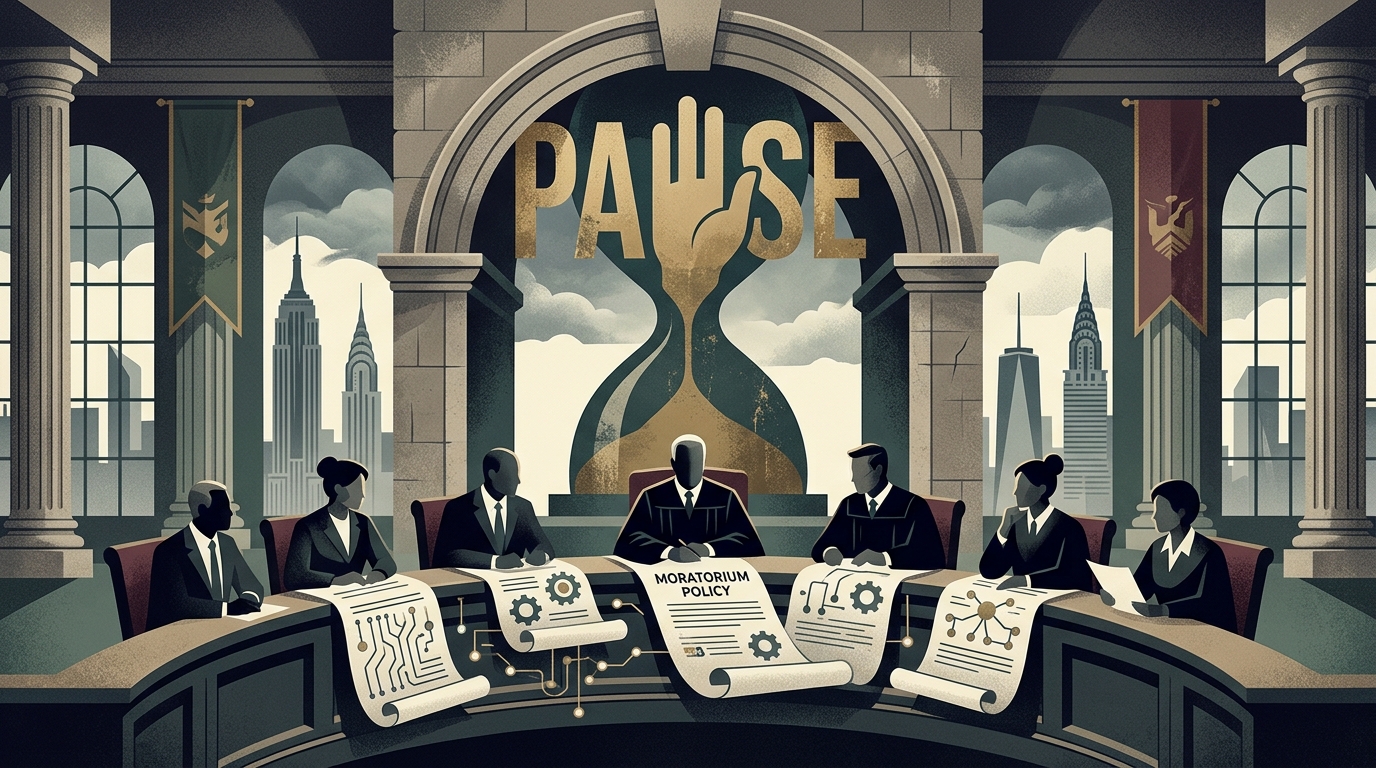
Legislative responses, such as the EU AI Act, attempt to set rules, but technology moves at a speed that bureaucracy struggles to match. The challenge for policymakers is twofold: they must restrict access to dangerous AI tools without stifling the innovation necessary for developing defensive systems.
In the future, cybersecurity will require a holistic approach. Companies can no longer rely solely on technical solutions. Continuous staff training, the implementation of 'Zero Trust' protocols, and, above all, a culture of healthy skepticism toward every digital interaction—no matter how familiar it seems—are now mandatory.