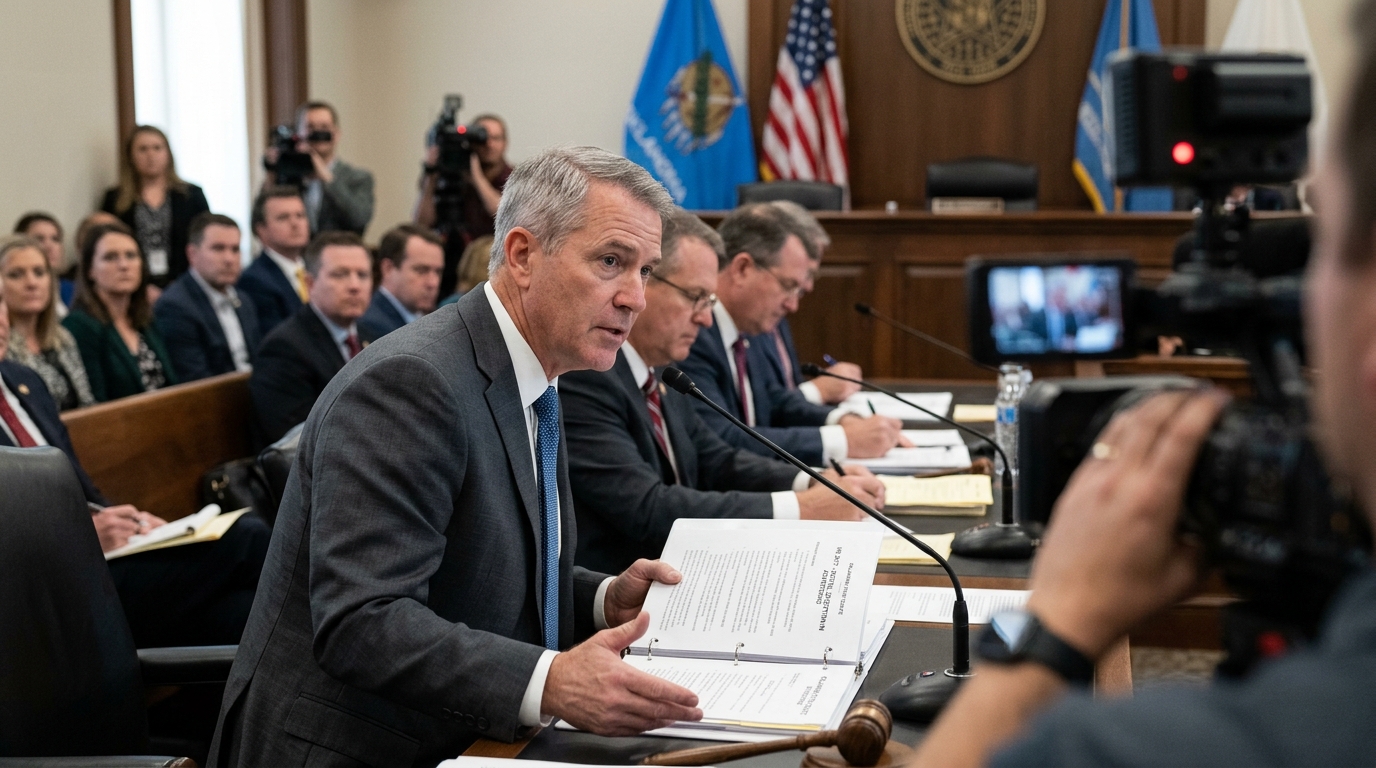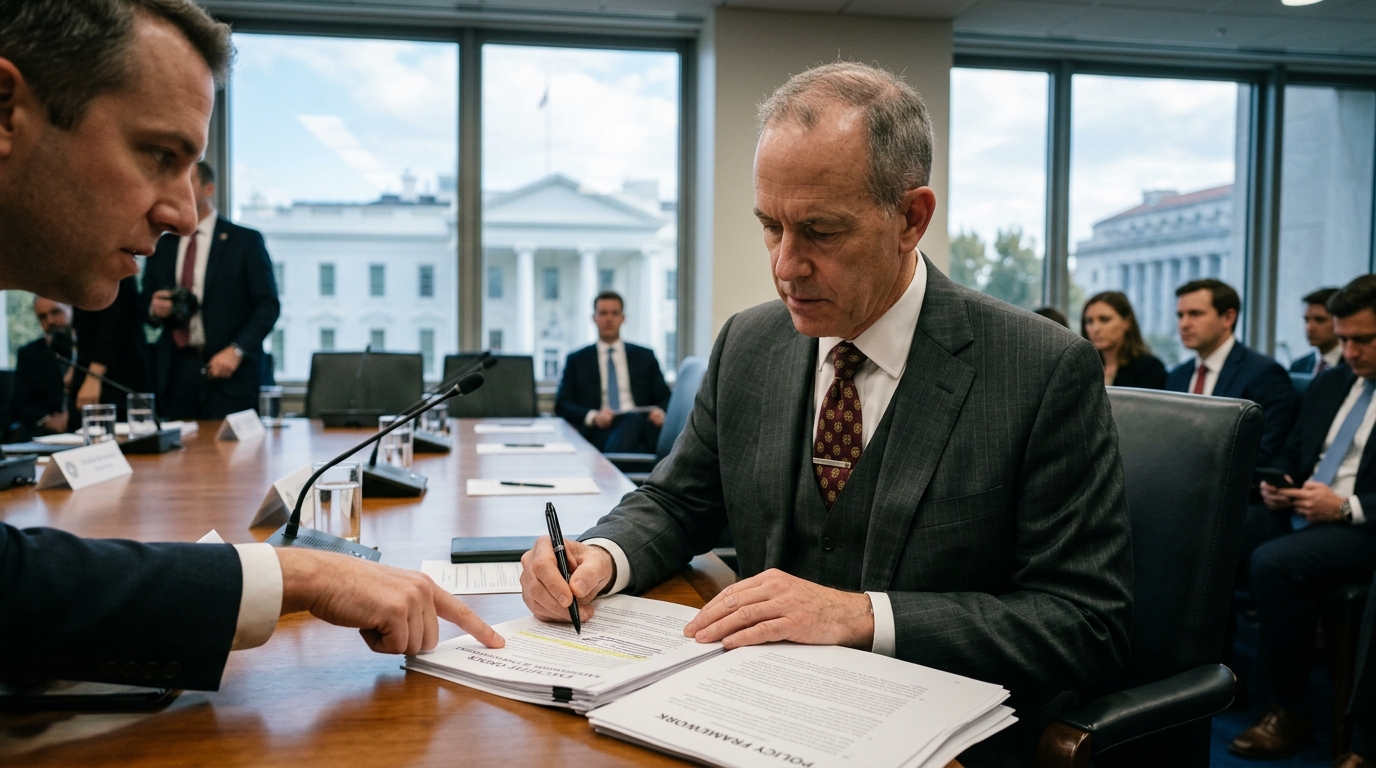
The era of "digital innocence," where social media was viewed merely as a tool for connection and creativity, has permanently given way to a period of intense skepticism and regulatory intervention. Today, in April 2026, we find ourselves at the peak of a global wave of restrictions aimed at distancing minors from their smartphone screens. What began as a series of recommendations from psychologists has transformed into a harsh political reality, with governments worldwide erecting digital walls to protect the so-called "Generation Alpha."
Australia: The Vanguard of Digital Exclusion
The movement gained significant momentum with Australia, which set a high bar by adopting the world's strictest legislation: a total ban on social media for children under 16. This measure is not merely a guideline but imposes heavy penalties on tech companies that fail to verify their users' ages. The government in Canberra argued that the damage caused by cyberbullying, exposure to harmful content, and algorithmic addiction is now irreversible without state intervention.
Australia's example has acted as a catalyst. In the United States, states like Florida have already implemented laws prohibiting account ownership for children under 14, while requiring parental consent for ages 14 and 15. Despite legal challenges from trade associations citing First Amendment free speech rights, public opinion appears to be shifting in favor of mental health protection over absolute digital freedom.
The European Strategy and the Greek Context
In Europe, the approach is more multi-layered but equally stringent. France pioneered the concept of "digital majority" at age 15, requiring platforms to block younger users unless explicit guardian approval is provided. In the United Kingdom, the Online Safety Act grants the regulator Ofcom the power to levy multi-billion pound fines on Big Tech if they cannot prove they are actively protecting children from harmful algorithms.
In Greece, the conversation has moved from theory to practice. Following the successful implementation of a mobile phone ban in schools, the Greek government is now considering stricter protocols for accessing platforms like TikTok and Instagram. Concerns over "phubbing" (ignoring someone in favor of a phone) and the rise in youth violence recorded and shared online have made regulation a top political priority for the current administration.
The Scientific Backdrop: The "Anxious Generation"
The foundation of this global backlash lies in the research of social scientists, most notably Jonathan Haidt, whose work on "The Anxious Generation" has deeply influenced policymakers. Data shows a clear correlation between the rise of smartphones (around 2012) and a sharp increase in rates of depression and anxiety among adolescents. Algorithms designed to maximize screen time exploit the vulnerable dopamine response of the teenage brain, creating a vicious cycle of social comparison and isolation.
Challenges and the Future of Digital Governance
However, implementing these laws remains a formidable technical challenge. Age verification without violating user privacy is the "holy grail" of current legislation. Technologies such as AI-driven biometric age estimation and digital passports are being tested, but they raise significant surveillance concerns.
Furthermore, there is a risk that minors will turn to less regulated, darker corners of the internet or use VPNs to bypass national restrictions. The solution, according to many experts, lies not only in bans but also in digital literacy. Governments must balance the role of "digital guardian" with the need to educate future citizens to live in a world that will always be hyper-connected.
- Australia implements a blanket ban for those under 16.
- Europe focuses on "digital majority" and platform accountability.
- The US faces legal battles over free speech versus minor protection.
- Age verification technology is the next major regulatory frontier.