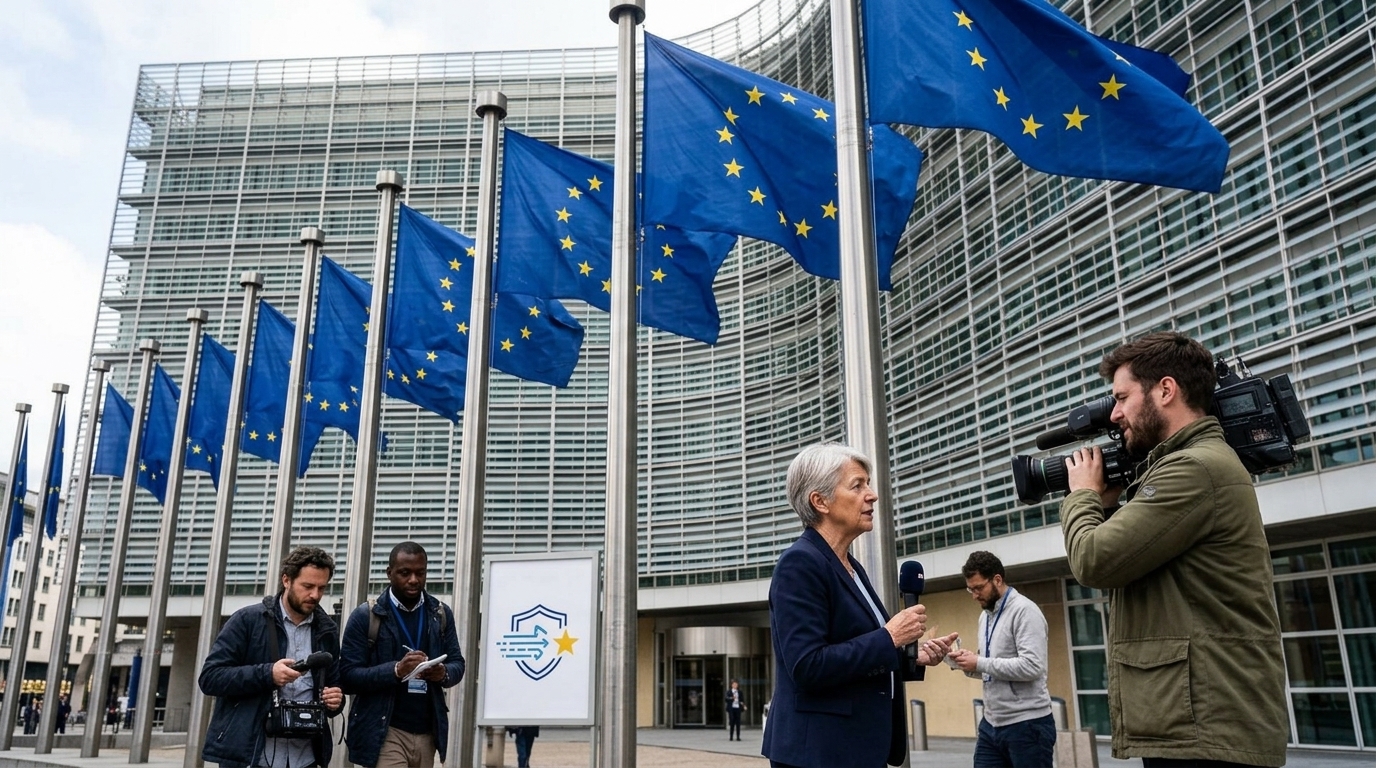
The European Union, in a move highlighting growing concerns over the integrity of its democratic fabric, has announced the imposition of stringent sanctions on two Russian entities. This decision, ratified by the European Council, is not merely a bureaucratic reaction but a strategic choice in the evolving "war of narratives" being waged on the continent's digital borders. As we move through 2026, disinformation is no longer viewed as a side effect of the internet, but as a central weapon in the arsenal of hybrid warfare, capable of destabilizing governments and eroding social cohesion.
The Anatomy of Digital Manipulation
The two entities targeted by Brussels are accused of operating as arms of the Russian state, disguised as news platforms or think tanks. According to the official statement, these organizations were actively involved in the "Doppelgänger" campaign—a sophisticated operation using cloned websites of reputable media outlets to spread fake news. The use of generative AI to create content that appears authentic has made detecting these campaigns exceptionally difficult for the average citizen.
Their strategy is multi-layered: from questioning the effectiveness of European institutions to stoking social tensions surrounding migration and energy policy. The sanctions include freezing assets within the EU and banning the provision of funds or economic resources to these entities. Furthermore, European internet service providers are required to restrict access to their content, a move that invariably sparks debates about the boundaries of freedom of speech.
The Legal Framework and the FIMI Strategy
This move is part of the broader framework for tackling Foreign Information Manipulation and Interference (FIMI). The EU has developed a "toolbox" that allows for a rapid response to such threats. The legal basis for the sanctions is rooted in protecting the sovereignty of member states and the security of the Union. Analysts point out that Moscow has invested billions in constructing a parallel informational universe, where truth is relative and confusion is the ultimate goal.
- Freezing of assets and bank accounts within EU jurisdiction.
- Travel bans for the executive members of the sanctioned entities.
- Mandatory content removal by social media platforms operating in the EU.
- Enhanced cooperation between member states' intelligence services to identify new threats.
The effectiveness of these measures remains a subject of debate. While sanctions make it harder to fund and operate official channels, disinformation often migrates to less regulated networks, such as Telegram or encrypted messaging apps. The challenge for the EU is to stay one step ahead of the algorithms used for the automated dissemination of propaganda.
Geopolitical Implications and the Future of Democracy
The imposition of sanctions is not just a technical measure; it is a powerful political signal. It sends the message that Europe's digital sovereignty is non-negotiable. However, Russia has already warned of retaliation, accusing the EU of "censorship" and violating the very democratic values it claims to uphold. This rhetorical inversion is typical of Russian diplomacy, which seeks to exploit internal disagreements within the West.
"Protecting the truth in the digital age is the most important battle for the survival of liberal democracy," stated a high-ranking Commission official.
In the future, the EU is expected to increase pressure on Big Tech companies, demanding greater transparency in content promotion algorithms. The fight against disinformation requires a holistic approach: from media literacy for citizens to strict policing of the financial flows that fuel "troll factories." Europe now seems determined not to remain a passive observer of its own undermining.