In the heart of the "navel of the earth," where ancient wisdom meets contemporary geopolitical and economic challenges, the 11th Delphi Economic Forum (2026) once again confirmed its status as the preeminent center for dialogue in Southeast Europe. This year, the presence of RSM, one of the leading global networks of audit, tax, and consulting firms, was far from a mere formality; it was a resounding statement of strategic intent. With an impressive delegation of 14 executives from eight different countries, RSM placed Artificial Intelligence (AI) at the forefront, analyzing how technology is transforming the foundations of business, defense, and investment.
AI as a Catalyst for Global Transformation
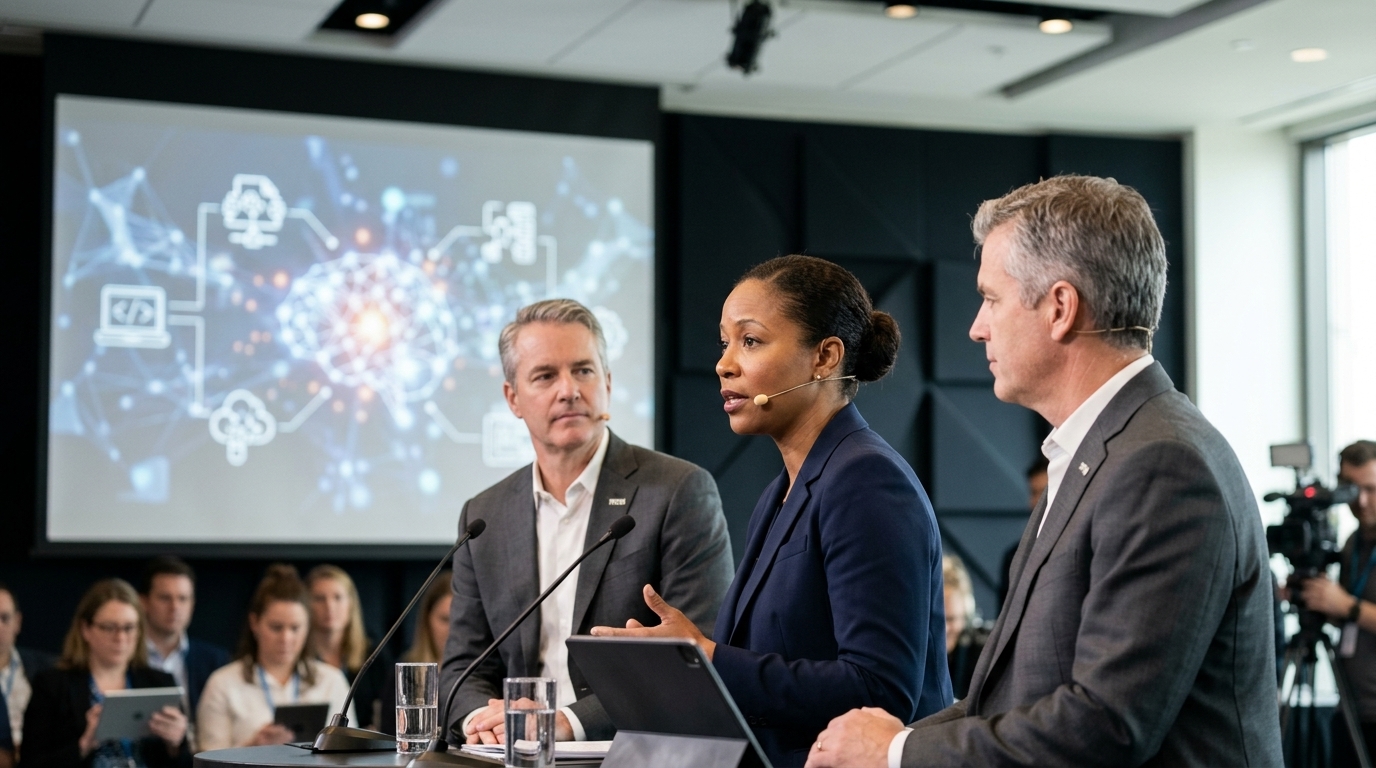
RSM’s thematic focus at Delphi was not limited to theoretical approaches. The network's executives participated in critical panels, emphasizing that 2026 marks the year when AI moves from the stage of experimentation to full operational integration. The discussion centered on how businesses can navigate an environment where Generative AI is reshaping supply chains, real-time decision-making, and risk management.
According to the positions shared by RSM executives, the challenge for Greece and Europe is not just the adoption of tools, but the creation of an ethical and regulatory framework that allows for innovation without undermining data security. The presence of experts from various jurisdictions allowed for a comprehensive analysis of best practices applied internationally, offering attendees a rare opportunity to view the "roadmap" for the next five years.
Investments, Defense, and the New Geopolitical Landscape
One of the most interesting elements of RSM's participation was the connection between technology and the defense sector. In an era of increased geopolitical instability, AI is emerging as a critical factor in national power. The panels featuring company executives highlighted the need for synergies between the private sector and state defense industries, aiming at cybersecurity and the protection of critical infrastructure.
Concurrently, the discussion on Foreign Direct Investment (FDI) demonstrated that investors are now seeking destinations with "digital readiness." According to RSM, Greece is in an advantageous position, provided it continues reforms that facilitate the establishment of tech giants and the development of local innovation ecosystems. The presence of executives from eight countries acted as a bridge, connecting the Greek market with international capital seeking stability and high technological expertise.
Human Capital and the Skills of the Future
Beyond numbers and algorithms, RSM placed a strong emphasis on the human element. The "skill of adaptability" emerged as the most important asset for a business in 2026. The need for reskilling and upskilling no longer concerns only IT technicians but the entire workforce, from boardrooms to the production line.
RSM representatives stressed that Artificial Intelligence will not replace professionals, but professionals who use AI will replace those who do not. This realization sets the stage for a new educational agenda, which RSM actively supports through its own internal structures and its consulting services for clients. This strategy focuses on creating a culture of continuous learning, which is essential for survival in the rapidly changing digital world.
Conclusions and the Path Forward
RSM's presence at the 11th Delphi Economic Forum was not just a display of strength, but a substantive contribution to the public discourse on the future of the global economy. With 14 executives bringing expertise from different corners of the globe, the firm proved that understanding technology is now inseparable from understanding the market. The message from Delphi is clear: Artificial Intelligence is the new engine of growth, and those who manage to harness it with responsibility and strategic vision will be the ones to define developments at the dawn of the next decade.