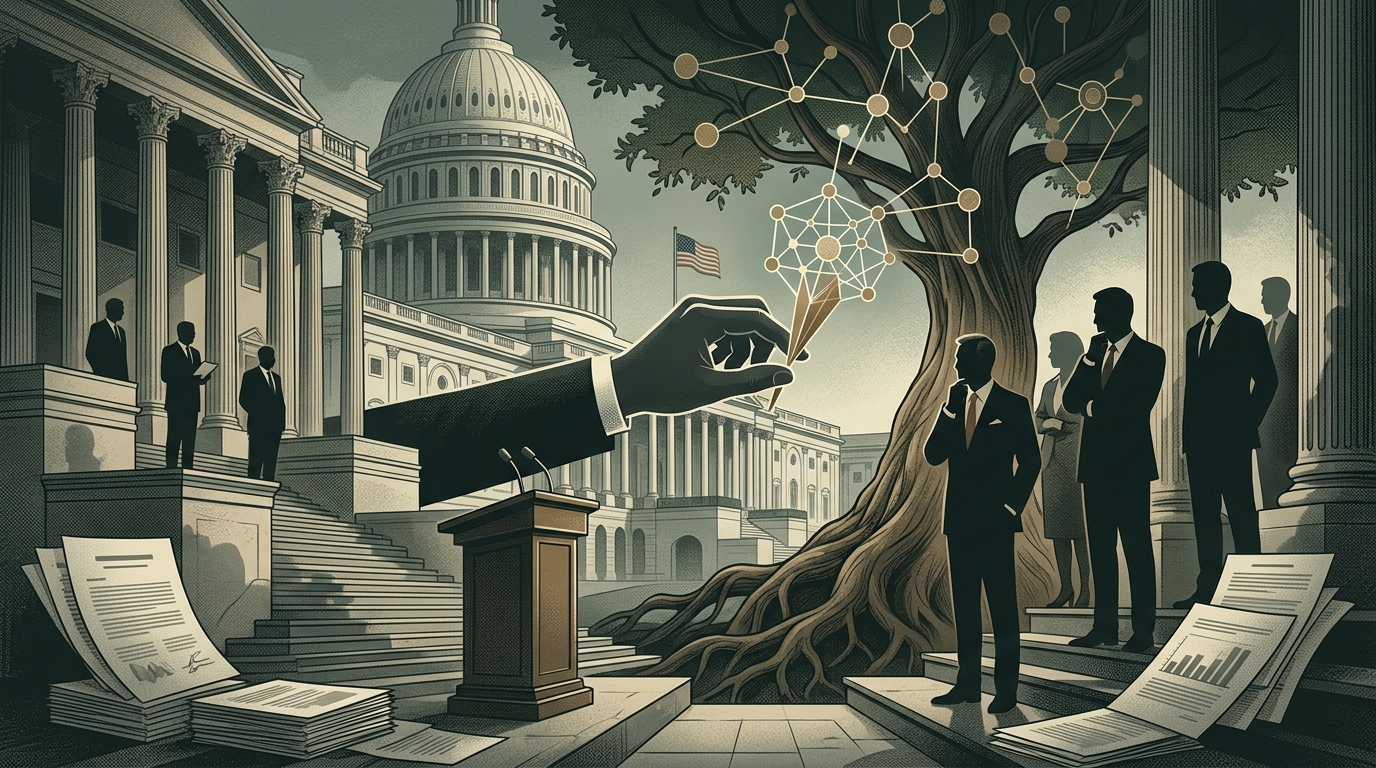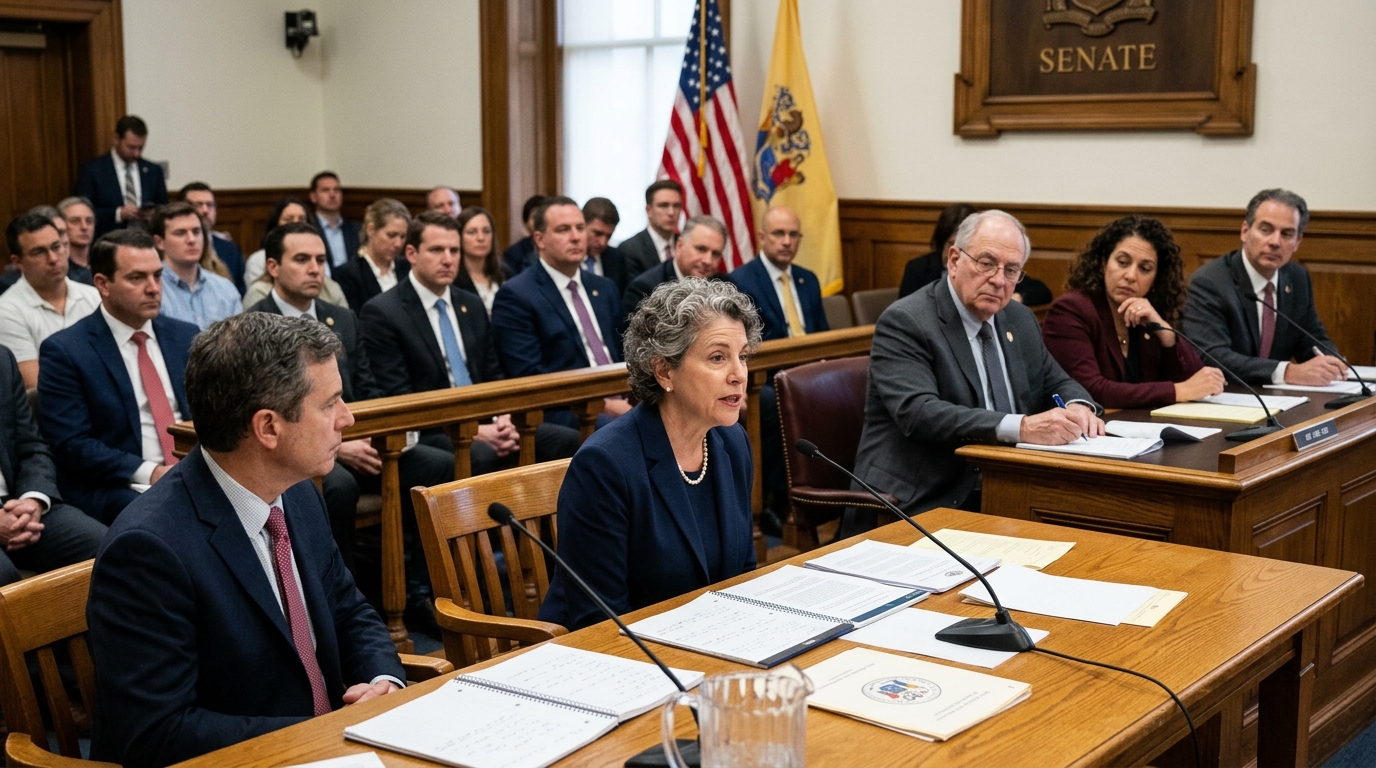
In an era where Artificial Intelligence (AI) has transitioned from science fiction to a daily utility, the state of Louisiana is taking a radical step forward. A new bill introduced to the state legislature aims to mandate "AI literacy" within the public school curriculum, starting as early as the 6th grade. This move is more than just an educational reform; it is a profound recognition that understanding algorithms is becoming as fundamental as reading and writing in the modern world.
The Legislative Framework
The bill, supported by a bipartisan group of lawmakers, seeks to prepare students for a workforce that is being rapidly reshaped by automation and machine learning. According to the proposal, students will be taught not only how to use AI tools but also the ethical implications, the risks of misinformation, and how algorithms influence societal decision-making. Louisiana, a state that often faces challenges in traditional educational rankings, seems to be choosing a forward-leap strategy, investing heavily in 21st-century skills.
The choice of 6th grade as the starting point is deliberate. At ages 11 and 12, students are beginning to develop critical thinking skills and are already heavy users of social media and digital platforms powered by AI. Educating them at this stage is considered vital for fostering responsible digital citizenship before they enter the more complex social dynamics of high school.
Defining AI Literacy in the Classroom
The term "AI literacy" is broad, and implementing it in a classroom setting presents a unique challenge for educators. The proposed curriculum is expected to cover three core pillars:
- Technical Proficiency: Understanding the mechanics behind Large Language Models (LLMs) and generative AI.
- Ethics and Society: Identifying data bias and understanding how AI can either exacerbate or mitigate social inequalities.
- Practical Application: Utilizing AI tools for problem-solving, creativity, and enhancing productivity in academic assignments.
"We can no longer afford to bury our heads in the sand. AI is here, and our students must know how to control it, rather than be controlled by it," stated one of the bill's primary sponsors.
Challenges and Potential Pitfalls
Despite the optimism, implementing such a program is fraught with obstacles. The primary question remains: "Who will teach the teachers?" The shortage of specialized educational personnel is a global phenomenon, and Louisiana will need to invest significant resources into professional development. Furthermore, there is a legitimate concern that focusing on AI might detract from core subjects like mathematics or classical literature, which are already under pressure.
There is also the persistent issue of the digital divide. If schools in affluent districts have access to high-end tools and high-speed internet while rural or underfunded schools lag behind, the introduction of AI education could inadvertently widen the opportunity gap. Critics of the bill emphasize that without robust funding for infrastructure, the mandate could become an unfunded burden on local school boards.
Global Context and the Road Ahead
Louisiana’s move is being watched closely by other U.S. states and education ministries globally. While many regions are still stuck in a defensive posture—focusing primarily on how to prevent students from using ChatGPT to cheat—Louisiana’s approach suggests a paradigm shift: moving from prohibition to empowerment.
In a future where the labor market will demand constant interaction with intelligent systems, a student's ability to grasp the "logic" of the machine will be the ultimate competitive advantage. By integrating these concepts early, Louisiana aims to produce a workforce that is not just tech-savvy, but tech-literate—capable of navigating the nuances of a world where the line between human and machine creativity is increasingly blurred. Whether this bold experiment succeeds will depend heavily on the execution, funding, and the ability of the curriculum to keep pace with the blistering speed of technological change.