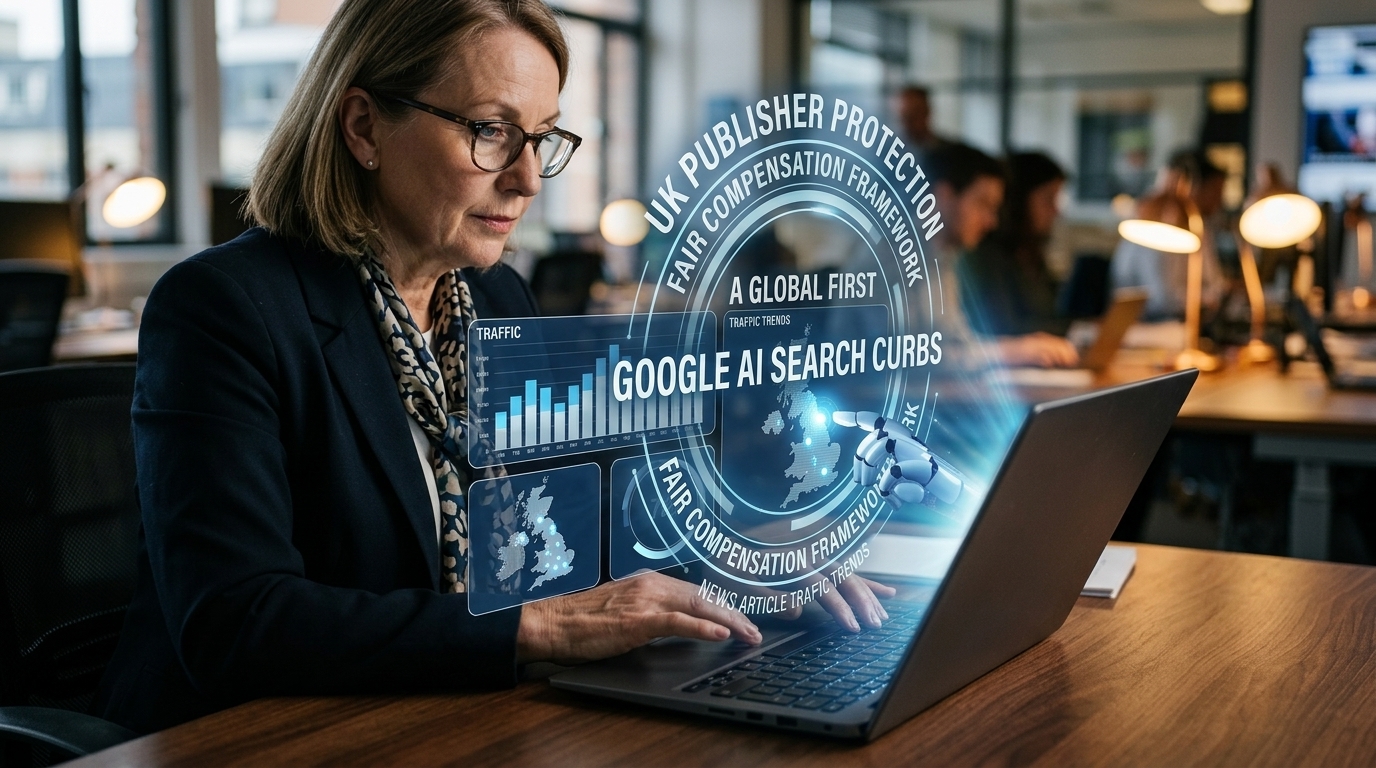
The dawn of 2026 does not merely signal another election cycle; it marks the first true confrontation in the era of ubiquitous Artificial Intelligence integration. While previous contests were characterized by the experimental use of algorithms, the 2026 elections are expected to be the first where Generative AI serves as a central pillar of political strategy, communication, and, unfortunately, disinformation. Recent analysis from the Rutland Herald highlights the urgent need for a new regulatory framework to protect the integrity of the vote without stifling free speech.
Micro-targeting and Personalized Persuasion
In the past, political campaigns relied on broad demographic groups to deliver messages. In 2026, AI enables "hyper-personalization." Algorithms can now analyze vast datasets to create thousands of variations of a single message, tailored to the specific concerns, biases, and psychological states of individual voters. This capability creates a risk of "algorithmic manipulation," where the voter interacts not with a political platform, but with a mirror of their own fears, constructed by code.
The use of Large Language Models (LLMs) allows campaigns to conduct real-time dialogues with millions of citizens via chatbots that are now nearly indistinguishable from human representatives. This automation of political persuasion raises serious ethical questions about the authenticity of political discourse. If the communication between candidate and citizen is fully mediated by machines, what remains of the human connection that forms the bedrock of democracy?
The Legislative Arsenal and the Regulatory Challenge
Lawmakers, from Vermont to Washington and Brussels, are racing to keep pace with these developments. The primary issue for 2026 is establishing rules for transparency. Bills are already under consideration that would mandate watermarking for any AI-generated content in political advertising. However, enforcing these rules remains a technical and legal challenge. Social media platforms, the primary battlefield for these tactics, often struggle to identify content created by sophisticated AI models, especially when shared in private groups or encrypted apps.
- Mandatory disclosure of AI use in political materials.
- Banning deepfakes intended to mislead voters about the voting process.
- Liability for tech companies regarding the removal of malicious automated content.
- Strengthening election infrastructure cybersecurity against AI-enhanced attacks.
Deepfakes and the Erosion of Shared Truth
Perhaps the greatest threat to the 2026 elections is the collapse of the concept of a shared truth. The ease with which convincing deepfakes—both video and audio—can be created means any candidate could fall victim to a manufactured crisis hours before the polls open. Even more dangerous, however, is the "liar’s dividend": a situation where politicians can dismiss real, incriminating evidence as "AI-generated," exploiting general public skepticism.
"When everything can be fake, then nothing is real. And in a world without truth, democracy cannot function," note political communication analysts.
The role of local journalism, such as the Rutland Herald, becomes critical in this environment. Local newspapers remain one of the last bastions of trust, as their proximity to the community allows for fact-checking in a way that global platforms cannot replicate. Strengthening local journalism may be the most potent antidote to the toxicity of digital disinformation.
Conclusion: The Citizen's Responsibility
As we approach 2026, technology will continue to evolve faster than legislation. The final line of defense for democracy remains the informed and critically thinking citizen. Media literacy is no longer an optional skill but a democratic obligation. The 2026 elections will determine not only who governs but whether democratic institutions can survive and thrive in a world where AI is redefining reality.