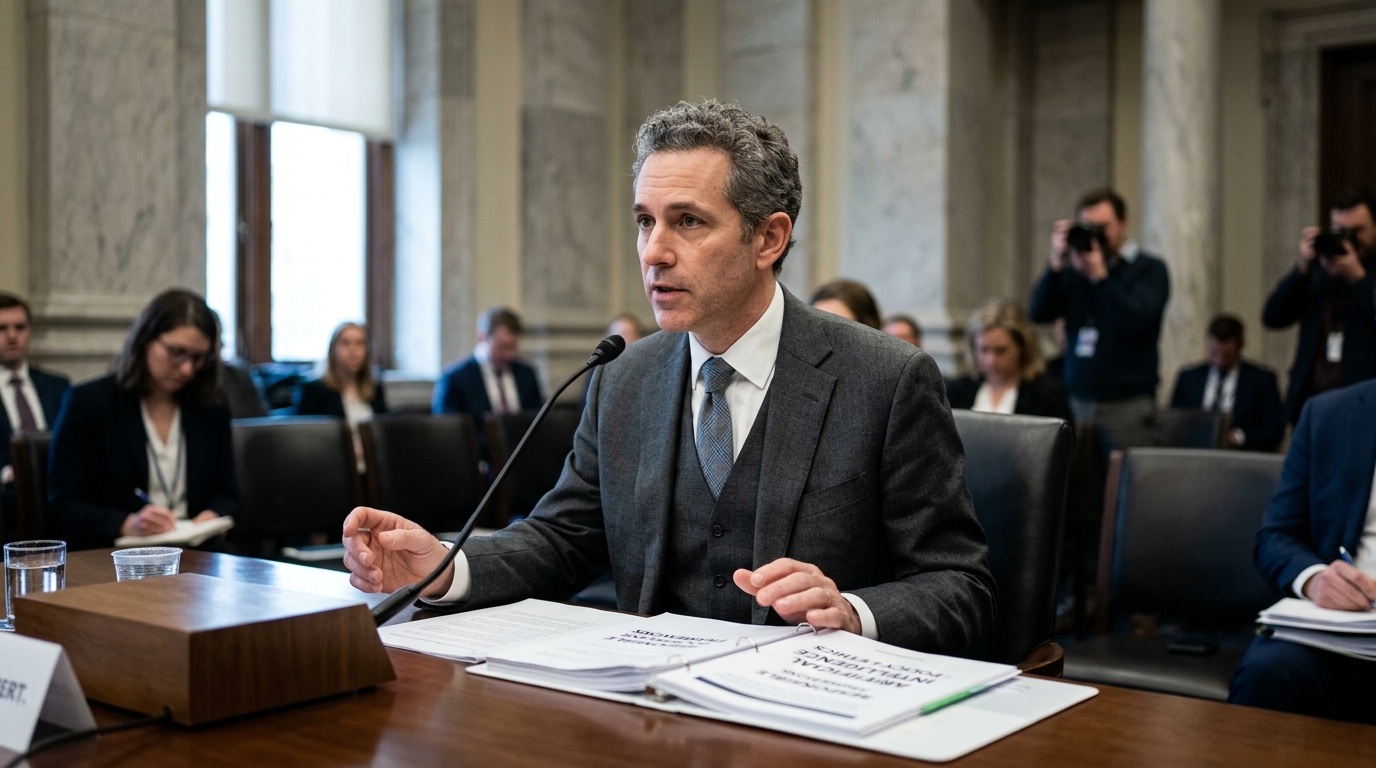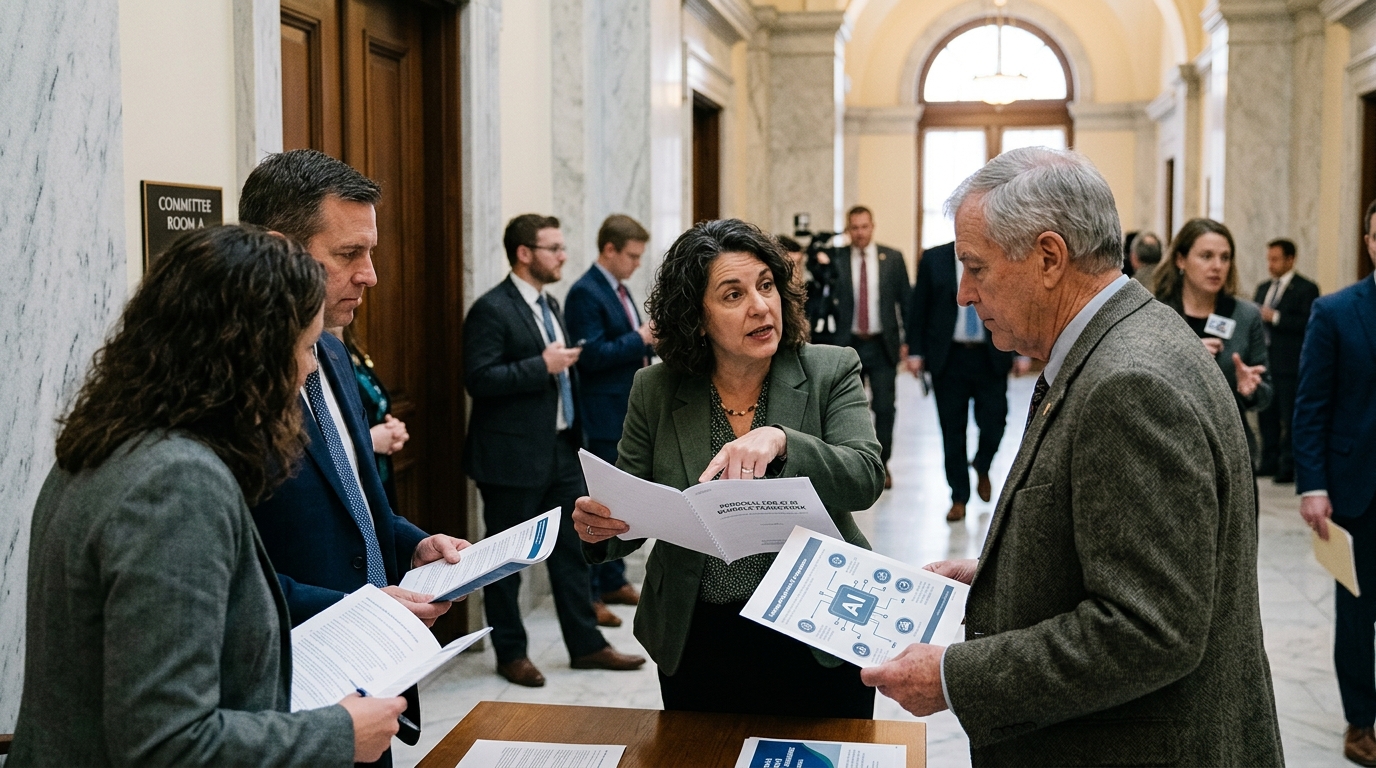
Education is at a critical crossroads. The emergence of generative artificial intelligence was not merely a technological addition; it was a seismic shift that rattled the very foundations of instruction and assessment. In Pennsylvania, a growing chorus of educators and school administrators is now issuing an urgent plea to the state: stop leaving schools to wrestle with the AI 'beast' in isolation and establish a unified state policy.
An Era of Uncertainty in the Classroom
For decades, the introduction of new technologies in schools followed a predictable cadence. From pocket calculators to the internet, there was time to adapt. AI, however, shattered that timeline. Within months, tools like ChatGPT became accessible to every student with a smartphone, leaving teachers to wonder if the assignments they grade belong to a human mind or an algorithm. The lack of central guidance has created a 'patchwork' of rules, where each school district improvises, leading to significant disparities and widespread confusion.
Data Privacy and Ethical Dilemmas
A primary argument for state intervention concerns the protection of student data. Without clear specifications from the Department of Education, schools risk adopting tools that harvest sensitive information from minors without adequate oversight. Furthermore, there is the question of ethical use: When does AI aid learning, and when does it undermine it? Educators are calling for a framework that redefines 'academic integrity' for the algorithmic age, offering not just detection tools but pedagogical methods to integrate technology into the curriculum effectively.
- The need for unified standards to protect student privacy.
- Defining clear boundaries between assisted learning and plagiarism.
- Professional development for teachers on critical AI literacy.
- Ensuring equitable access for students from lower socioeconomic backgrounds.
The Digital Divide and Social Justice
The absence of a state policy is not just a bureaucratic hurdle; it is a matter of social justice. Affluent school districts have the resources to hire technology consultants and develop their own AI curricula. Conversely, underfunded districts are often left behind, frequently banning the technology out of fear and thus depriving their students of the skills the future labor market will demand. A state-level mandate could bridge this divide, providing resources and expertise to all students, regardless of their zip code.
"We aren't asking the state to tell us exactly what to teach, but to provide the guardrails within which we can teach safely," stated a Pennsylvania education official.
Redefining the Teacher's Role
Ultimately, the debate over AI policy in schools touches the core of the educational process. If knowledge is now available with a single click, the teacher's role shifts from an information provider to a facilitator of critical thinking. Educators need state support to transform into guides who teach students how to question AI, how to recognize algorithmic bias, and how to harness these powerful tools to solve real-world problems. The time for action is now, before technological advancement renders existing school systems obsolete.