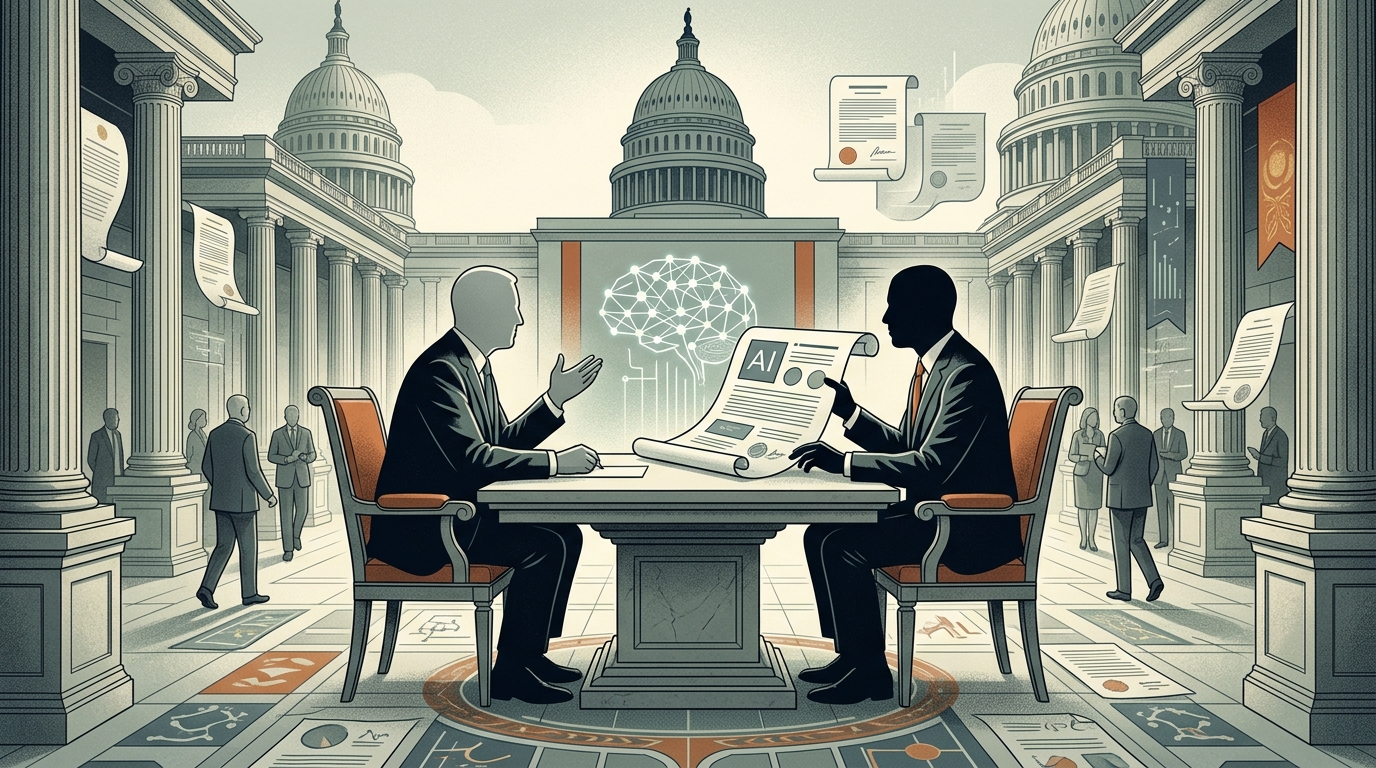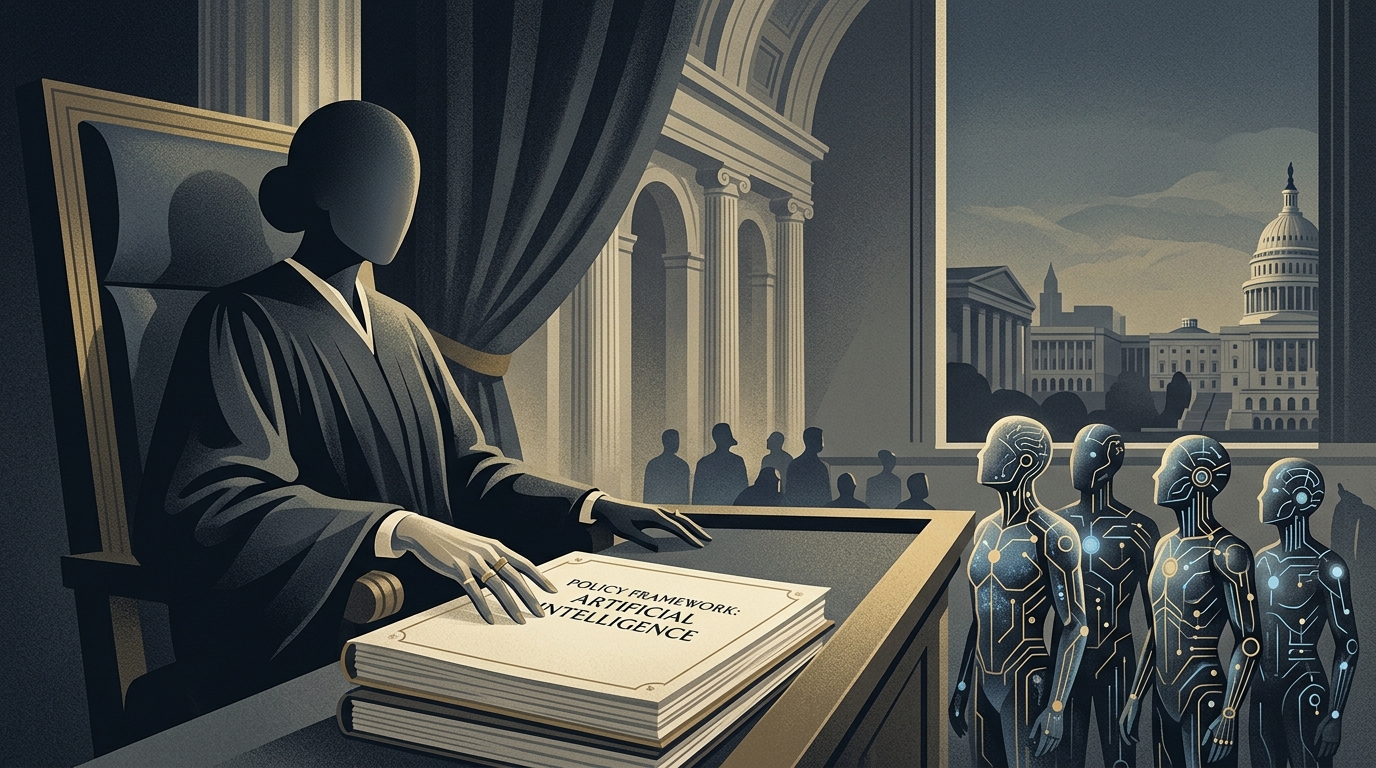
In a period where the global economy is attempting to balance between inflation and growth, a new threat is emerging on Frankfurt's horizon. According to a recent report by the Financial Times, the European Central Bank (ECB) is sounding the alarm over the rapid and often unchecked adoption of Artificial Intelligence (AI) in the financial sector. What began as a promise of unprecedented efficiency is now turning into a potential systemic risk that could shake the foundations of European economic stability.
The Concentration Trap and Dependence on Big Tech
The ECB's greatest fear is not the technology itself, but how it is distributed. The development of advanced AI models requires massive computing power and data, which are controlled by a very small number of companies, primarily in the US. This "oligopolistic" structure creates a dangerous dependency. If a major banking institution bases its critical functions on the cloud services and AI models of a specific company (such as Microsoft, Google, or Amazon), any malfunction in these infrastructures could cause a domino effect of collapses across the entire banking system.
As ECB analysts point out, this concentration creates "single points of failure." Unlike in the past, where banks had different systems and protocols, today's trend toward homogeneity through AI means that an error in one algorithm can be repeated simultaneously by dozens of institutions, leading to what economists call "herding behavior."
Algorithmic Instability and the "Black Box" Phenomenon
Another critical issue raised by the ECB is the lack of transparency in decisions made by AI. Machine learning algorithms often operate as "black boxes," where even their creators find it difficult to explain why a specific decision was made—for example, the rejection of a loan or a massive sale of stocks. In financial markets, the speed of AI can exacerbate volatility. High-frequency trading algorithms enhanced by AI can cause "flash crashes," where asset prices collapse within seconds without an obvious external cause.
"Artificial intelligence can improve productivity, but if it is not placed under strict supervision, it risks turning markets into an environment where logic is lost behind the speed of code," an ECB official noted.
Impact on Monetary Policy and Employment
Beyond financial stability, the ECB is concerned about macroeconomic implications. AI is expected to drastically change the labor market, which affects consumption and, consequently, inflation. If AI leads to mass layoffs in the service sector, purchasing power will decrease, forcing the ECB to revise its monetary policy tools. Furthermore, AI may make product prices more "flexible," as businesses use algorithms to change prices in real-time, complicating the work of central banks in maintaining price stability.
Towards a New Regulatory Framework
Europe's response is not limited to warnings. The ECB, in collaboration with the European Banking Authority (EBA), is working to integrate AI risks into bank stress tests. The message is clear: banks must prove they understand the models they use and that they have contingency plans in case of AI system failure. The implementation of the EU's AI Act will play a decisive role, but the ECB argues that financial risks require a more specialized and rigorous approach.
In conclusion, Artificial Intelligence in banking is a double-edged sword. While it can reduce costs and improve the customer experience, its systemic nature requires a new security architecture. The ECB is not seeking to stop progress, but to ensure that the next financial crisis does not originate from a well-written but uncontrollable algorithm.