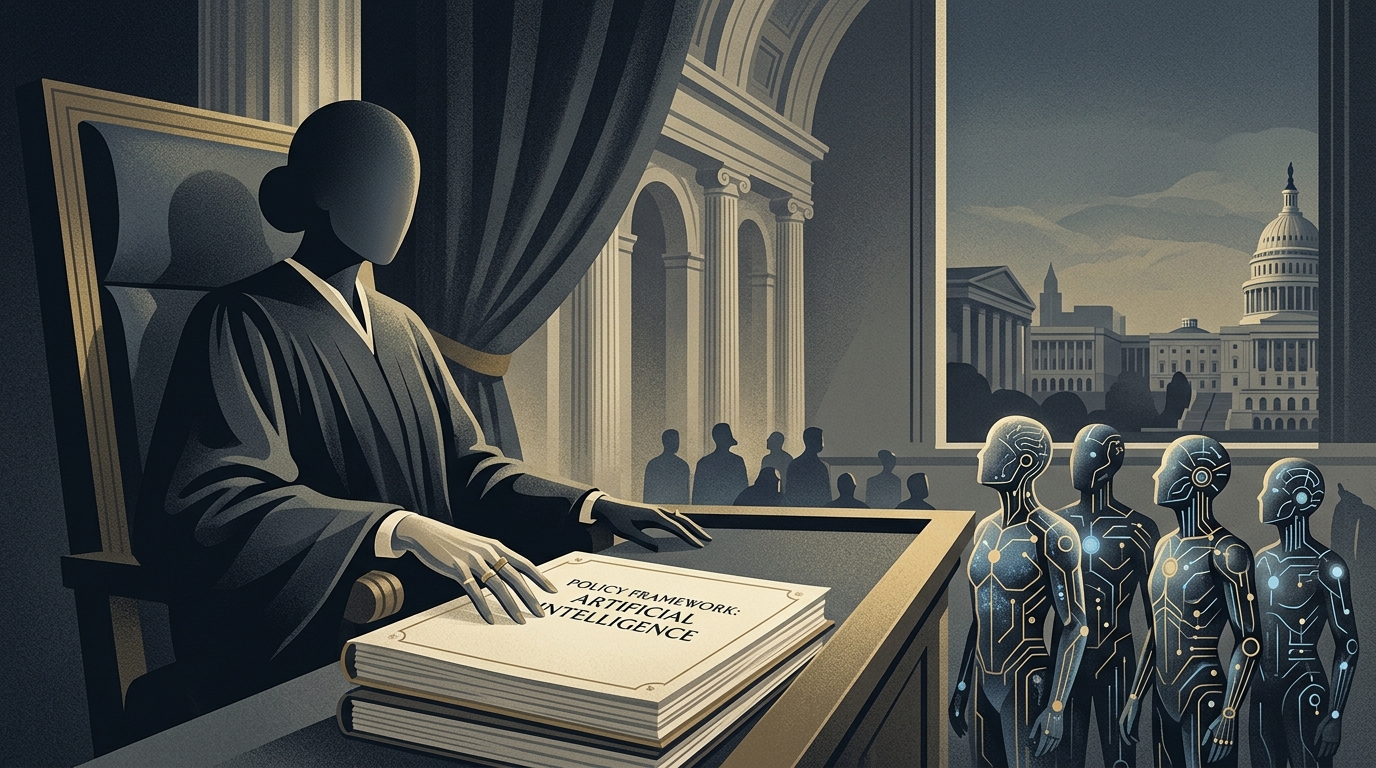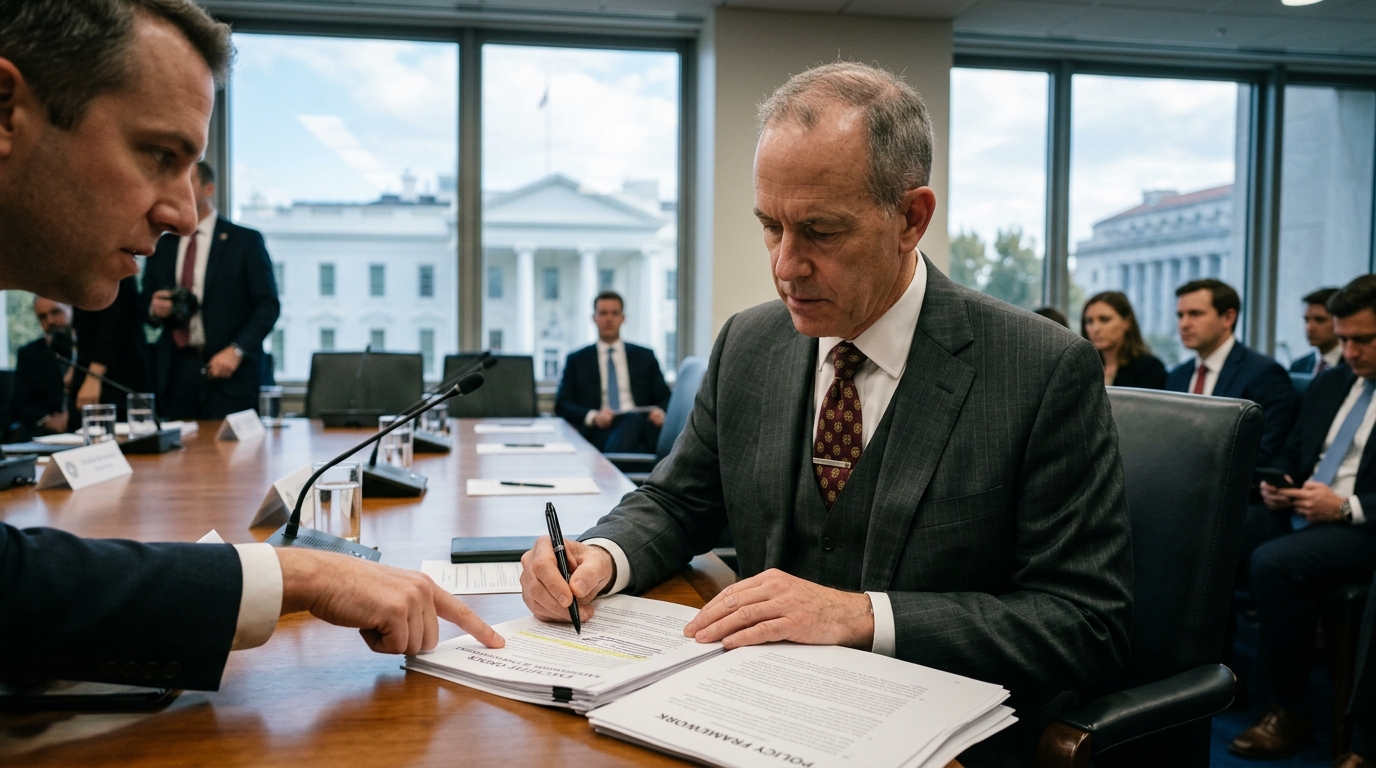
At the core of the legal system lies a principle as ancient as justice itself: attorney-client privilege. However, in 2026, this pillar is being tested by the rapid integration of Artificial Intelligence (AI) tools into legal practice. Crowell & Moring LLP, a leading international law firm, has launched a pioneering "Tracker of Court Rulings," focusing exclusively on how courts navigate legal privilege in the context of AI technologies.
The Digital Erosion of Confidentiality
The central question facing courts globally—from London to Washington—is deceptively simple yet profoundly complex: When a lawyer inputs a client’s confidential information into a Large Language Model (LLM) for analysis, does this constitute a waiver of privilege? Under traditional jurisprudence, disclosing information to a third party typically voids the privilege. Yet, AI is not a traditional "third party"; it is a processing tool.
Crowell’s tracker highlights a growing trend toward judicial scrutiny. In recent cases, judges have begun to distinguish between "closed" AI systems (where data remains within the firm’s infrastructure) and "open" systems (where data is used to further train the model). The use of the latter is increasingly viewed as negligence that jeopardizes the sanctity of the attorney-client relationship.
The Work Product Doctrine in the Algorithmic Age
Beyond communication privilege, the tracker monitors the evolution of the "work product doctrine." This protects documents prepared by a lawyer in anticipation of litigation. If a brief is 90% generated by an AI, does it merit the same protection as a human-authored text?
- Courts in the European Union tend to require "substantial human intervention" for the recognition of privilege.
- In the U.S., case law remains fluid, with some judges arguing AI is merely a "sophisticated typewriter," while others view it as an independent data processor that strips away protection.
Crowell & Moring points out that law firms lacking clear AI usage policies risk being exposed to discovery requests from adversaries for documents that would otherwise remain shielded.
Ethics and Professional Responsibility
The use of AI is not just a procedural issue; it is an ethical one. Bar associations worldwide are updating their codes of conduct. Crowell emphasizes that "technological competence" is now a core professional duty. It is no longer enough to use AI; a lawyer must understand where the data flows.
"Ignorance is no longer an excuse for the loss of privilege," the firm’s analysis states.
The tracker serves as a living map in uncharted territory. It records not just final rulings but interlocutory orders that reveal the judicial mindset regarding technology. For instance, we see a shift toward mandatory disclosure of AI use in drafting pleadings—a requirement that would have been unthinkable three years ago.
Conclusion: The Need for a New Legal Architecture
As we move further into the decade, legal science is called to redefine the concept of confidentiality. Crowell & Moring’s initiative is vital because it provides the data upon which new legislation will be built. AI may accelerate justice, but if the price is the loss of trust between a citizen and their counsel, the cost may be too high. Balancing innovation with the protection of fundamental rights remains the great challenge of our time.