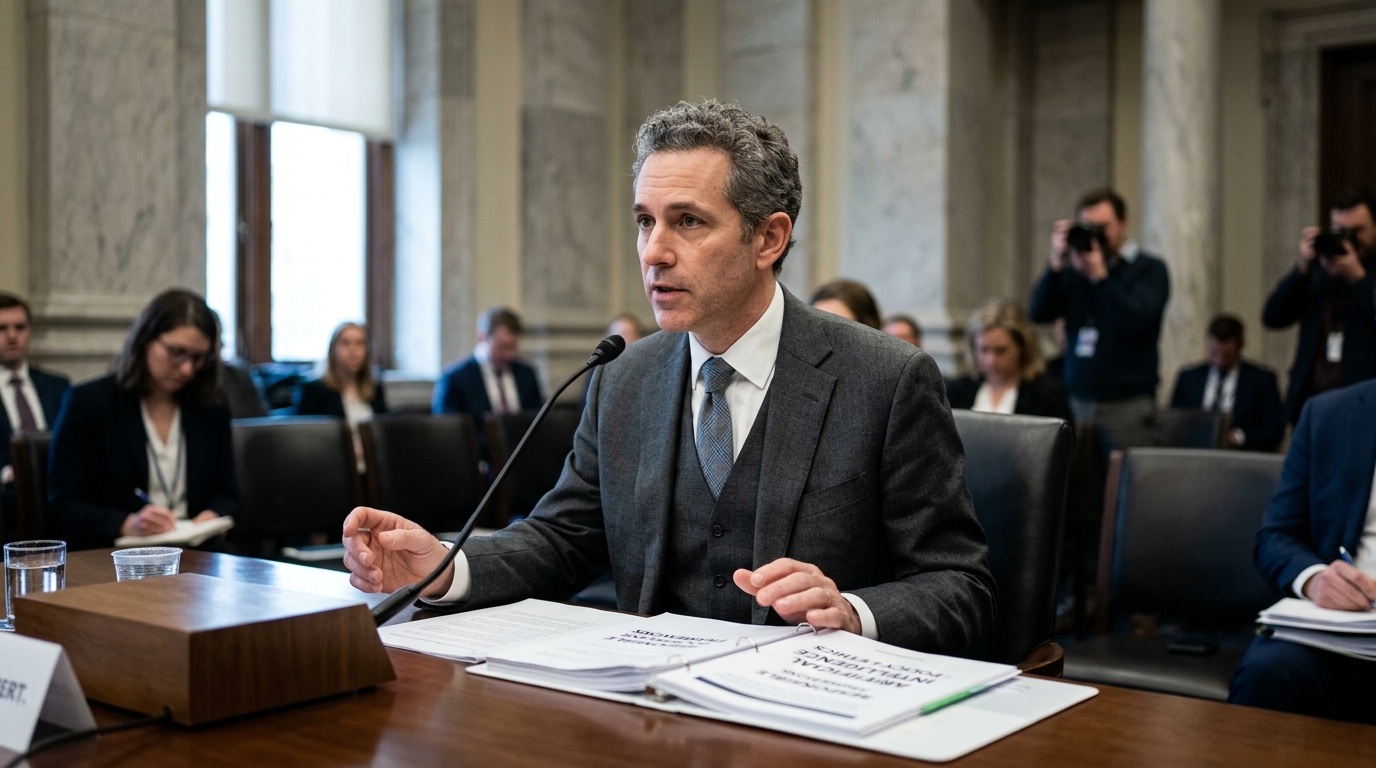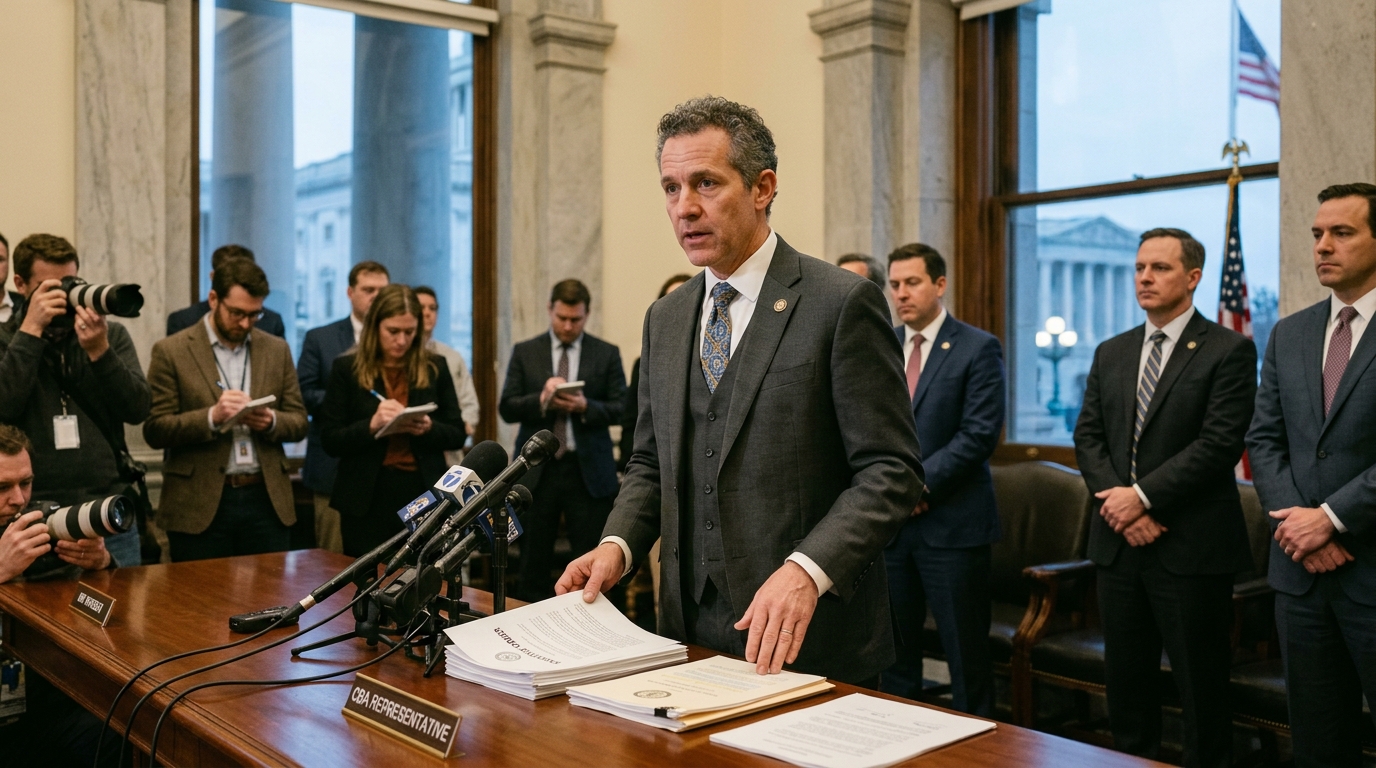
In a watershed moment for the future of the global financial architecture, the Consumer Bankers Association (CBA) has formally welcomed the latest Executive Order on Promoting Advanced Artificial Intelligence Innovation and Security. As we navigate the complexities of mid-2026, the integration of generative AI within banking services has transcended the experimental phase, becoming a foundational element of modern finance. This federal move arrives at a critical juncture, aiming to bridge a regulatory void that threatened to erode public trust in financial institutions.
The Framework for Innovation and the Quest for Clarity
The CBA, representing the leading retail banks in the United States, emphasized that the new Executive Order provides a much-needed roadmap for the responsible deployment of algorithmic models. Financial institutions are already leveraging AI for real-time fraud detection, hyper-personalized investment strategies, and automated credit underwriting. However, the absence of a unified federal framework had previously created a landscape of legal uncertainty. The order focuses on three core pillars: national security, economic resilience, and the protection of civil liberties.
According to CBA leadership, the order's emphasis on safety should not be perceived as a hindrance to progress. On the contrary, establishing standards for 'red-teaming' and transparency in training data is precisely what will allow banks to scale their AI investments with confidence. "Safety and innovation are two sides of the same coin," the association noted in its official statement. Experts suggest that AI utilization could slash bank operating costs by up to 25% over the next five years, provided that regulators avoid imposing stifling bureaucratic hurdles.
Addressing Algorithmic Bias and Cyber-Fraud
One of the most contentious issues addressed by the Executive Order is algorithmic bias. Historically, AI systems have been scrutinized for inadvertently discriminating against minority groups in loan approvals due to biased historical data. The CBA has committed to working closely with the Treasury Department to implement auditing tools that make the AI 'black box' more transparent. Fair lending is a cornerstone of social stability, and the banking sector recognizes that AI can either exacerbate systemic inequalities or become the primary tool for dismantling them.
Furthermore, the fight against financial crime is entering a sophisticated new chapter. With the proliferation of high-fidelity deepfakes, banks are facing unprecedented social engineering attacks. The Executive Order encourages public-private partnerships to develop next-generation identity verification systems. The CBA highlighted that real-time threat intelligence sharing is vital for safeguarding consumer deposits in an era where cyber-attacks are increasingly automated and intelligent.
Geopolitical Competition and Global Standards
This policy intervention is not limited to domestic concerns. In a global environment where the European Union has already implemented its landmark AI Act and China continues to funnel billions into state-led AI initiatives, the U.S. is striving to lead in setting international benchmarks. The CBA argues that the American banking industry must remain competitive by avoiding a patchwork of conflicting state-level regulations that could impede the seamless delivery of digital services.
"The Executive Order is a statement of intent: America is choosing the path of ethical innovation, ensuring that technology serves humanity rather than the other way around," a senior CBA representative stated.
In conclusion, the CBA's endorsement of the Executive Order signals a period of strategic alignment between the industry and federal regulators. While the granular details of implementation remain to be seen, the message is clear: Artificial Intelligence is the new electricity of the economy, and banks are ready to flip the switch—provided the grid is secure and the rules of engagement are transparent.