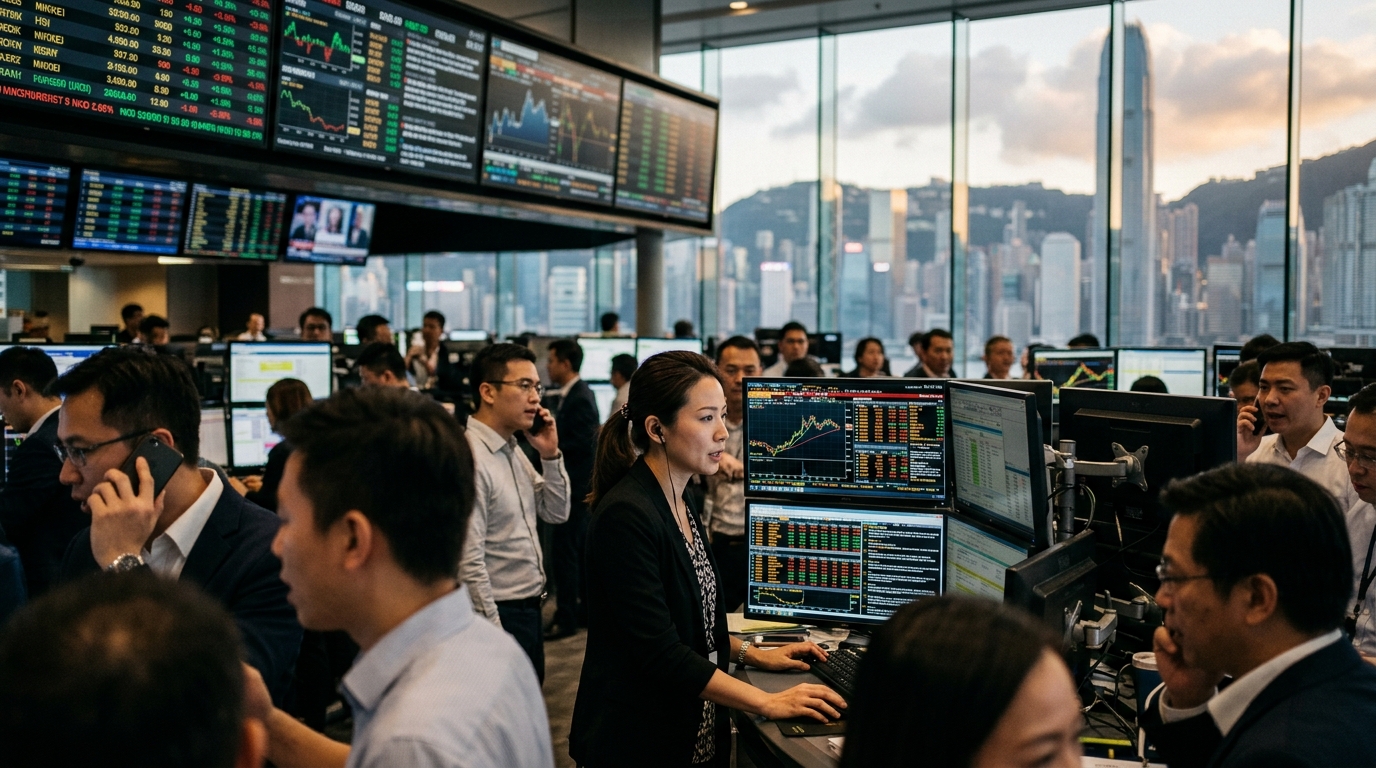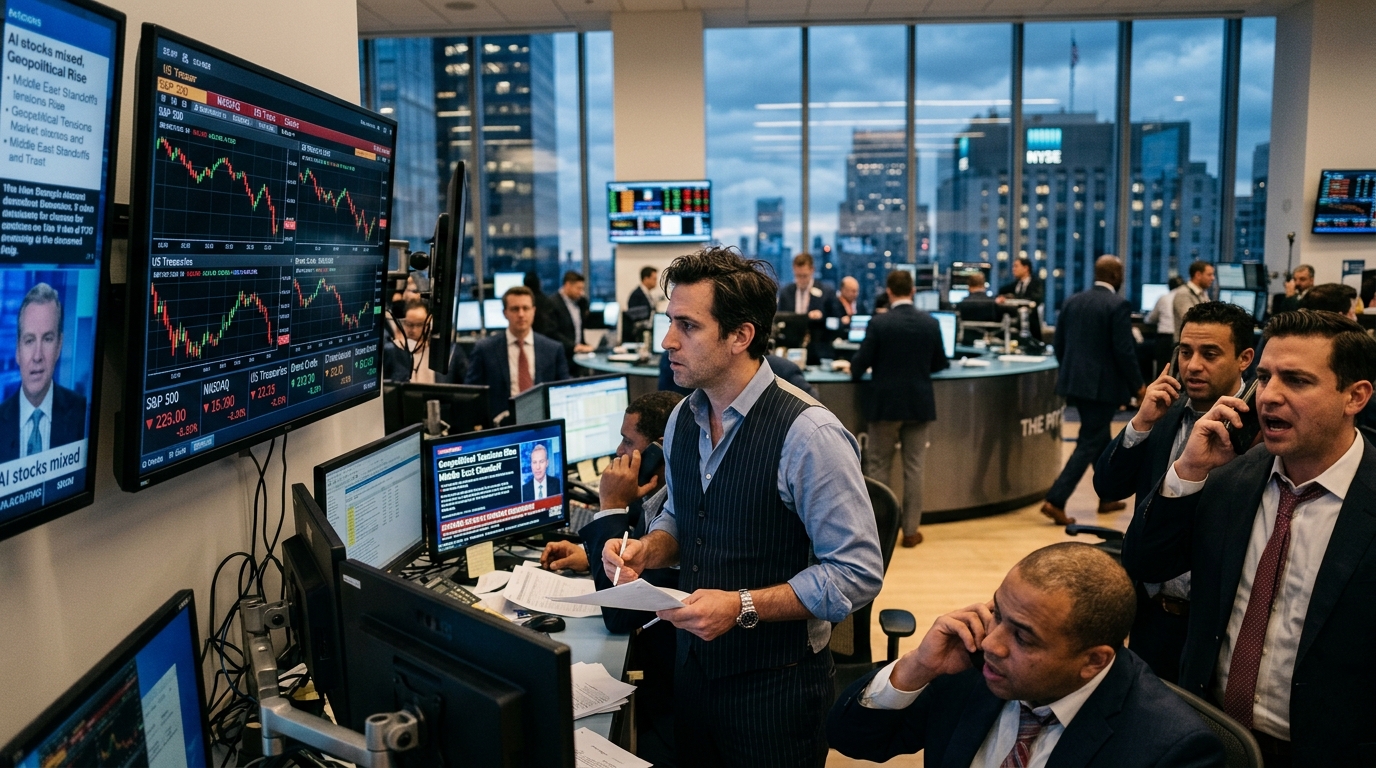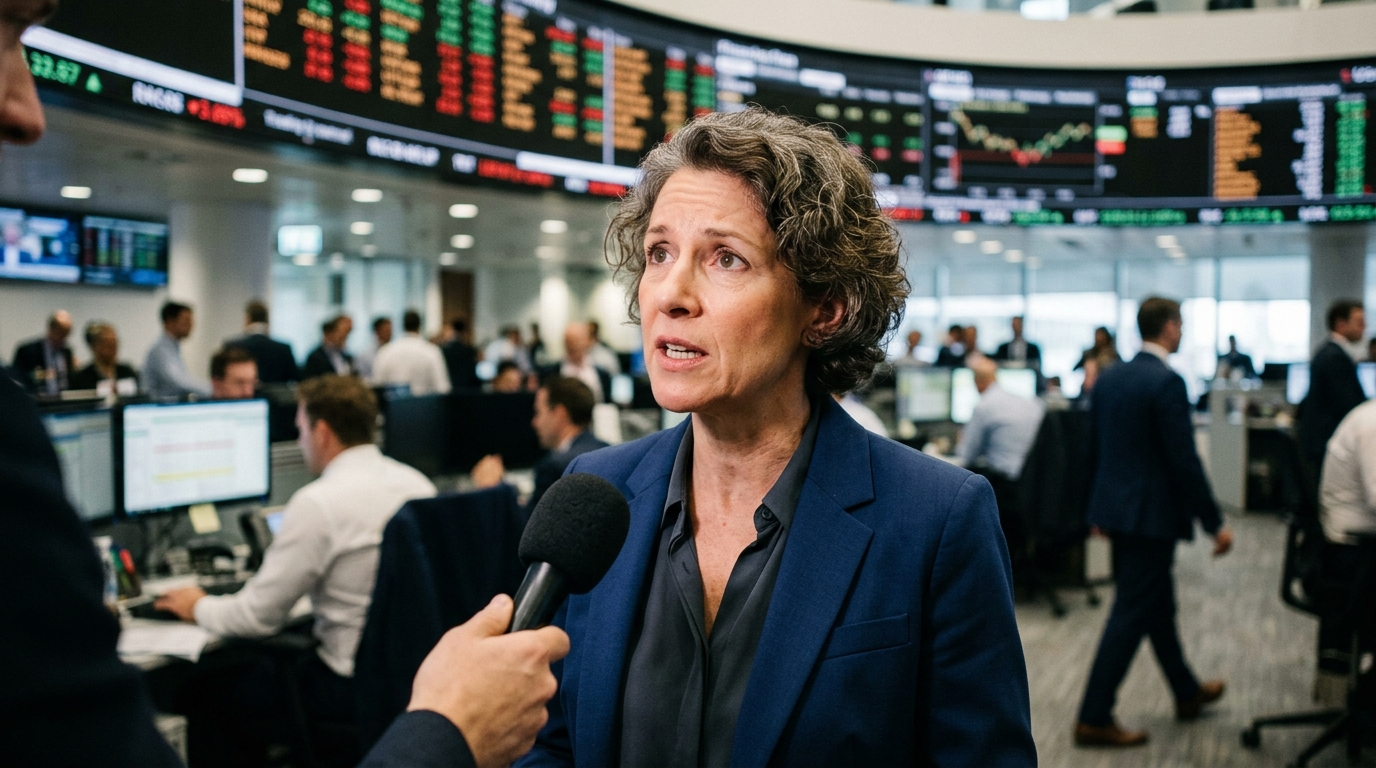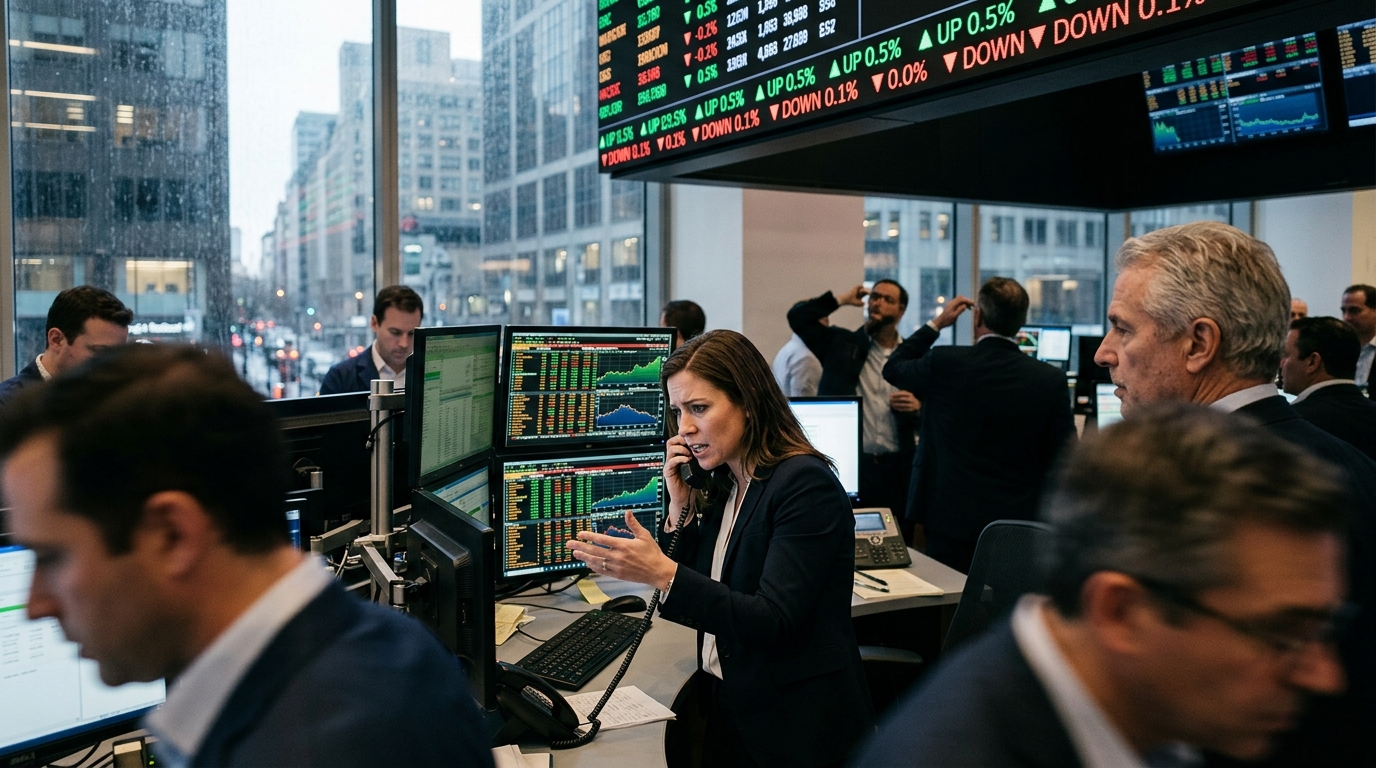
Wall Street once again found itself at the crossroads of geopolitical risk and technological optimism. In a trading session that began with palpable nervousness due to escalating events in the Middle East, the S&P 500 and Nasdaq managed to claw back into positive territory, buoyed by the relentless momentum of companies leading the Artificial Intelligence (AI) revolution.
AI as the New 'Safe Haven'
Traditionally, during times of global instability, investors flock to gold, government bonds, or the US dollar. However, 2026 is cementing a new paradigm: AI is increasingly viewed as an autonomous growth engine that transcends traditional economic cycles. Semiconductor giants and cloud infrastructure providers continue to post earnings that defy gravity, convincing the market that the demand for compute power is inelastic and structural.
"We aren't just looking at a bubble; we are witnessing a fundamental restructuring of the global economy," noted a senior analyst at Goldman Sachs. "Even when geopolitical tensions rise, the algorithms must be trained, and the data centers must run."
Nvidia, Microsoft, and Alphabet remain the pillars of this rally. Their ability to generate massive free cash flow in a high-interest-rate environment, coupled with international uncertainty, makes them attractive even to conservative fund managers who previously avoided high-multiple tech stocks.
The Shadow of the Middle East and Oil Volatility
Despite the tech-led gains, anxiety over the Middle East remains a heavy cloud over the trading floor. Crude oil prices saw significant volatility, directly impacting airline and transportation stocks. The market fears that a broader conflict could disrupt supply chains in the Strait of Hormuz, triggering a fresh wave of inflation that would force the Federal Reserve to delay much-anticipated interest rate cuts.
- Energy stocks gained as oil prices fluctuated upwards.
- Defense contractors saw increased interest as nations ramp up military spending.
- Consumer discretionary sectors showed signs of fatigue due to rising energy costs.
The balance is delicate. While AI offers long-term growth, immediate energy costs and geopolitical instability threaten the profit margins of non-tech sectors. This has created a "two-speed" market, where a few tech elites mask the underlying weaknesses in the broader industrial and consumer economy.
Inflation and the Fed: The Third Variable
Beyond wars and microchips, Wall Street is laser-focused on US employment and inflation data. The Federal Reserve is in a precarious position: it must maintain price stability without stifling the tech-driven growth that is currently the economy's primary engine. Investors are betting that the productivity gains promised by AI will eventually act as a deflationary force, allowing the central bank more room to maneuver in the coming months.
In conclusion, Wall Street is exhibiting remarkable resilience. The conviction that we are in the early stages of a new industrial revolution appears stronger than the fear of regional conflicts. However, history teaches us that geopolitical 'black swans' have a tendency to appear exactly when market confidence reaches its zenith. For now, the silicon shield is holding, but the cracks in global stability cannot be ignored indefinitely.