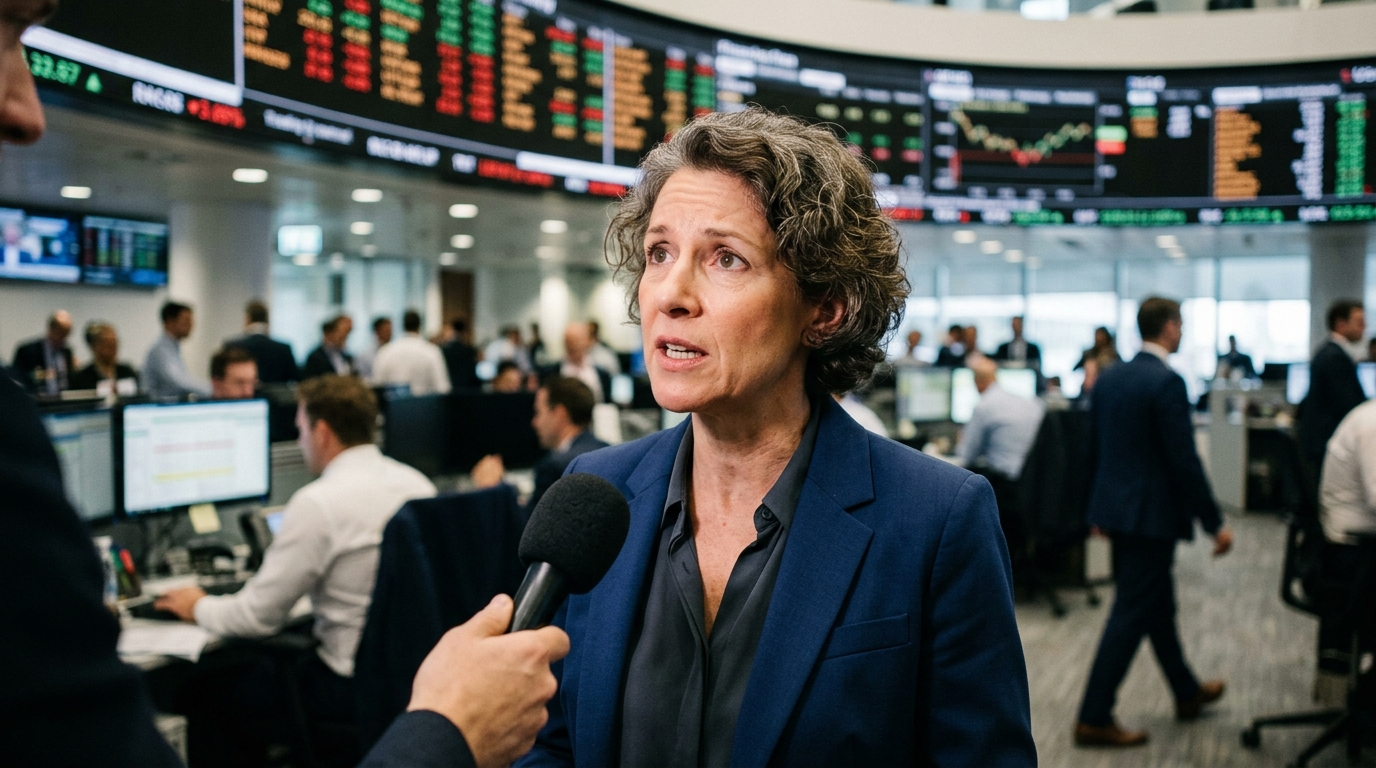
The era of "cheap" AI experimentation is officially over. As large language models become increasingly sophisticated, the capital requirements have surged to levels that dizzy even the most seasoned Silicon Valley investors. Daniela Amodei, President and co-founder of Anthropic, recently addressed this reality with stark clarity: the skyrocketing cost of training frontier models is inexorably driving AI companies toward the public markets.
The Exponential Rise of Training Costs
In the early days of the generative AI boom, training a top-tier model cost a few million dollars. Today, the conversation has shifted to billions. Amodei points out that the next generation of models—those set to succeed Claude 3.5 or GPT-4—will require investments in compute power reaching or exceeding $10 billion per model run. This unprecedented capital intensity is fundamentally reshaping the industry's landscape.
These costs aren't just about purchasing NVIDIA's coveted H100 or Blackwell chips. They encompass the construction of massive data centers, securing vast amounts of electricity, and licensing high-quality training data. For a firm like Anthropic, which brands itself as a "safety and research" company, the need for such massive capital creates an existential challenge: how to remain competitive against giants like Google and Microsoft without compromising its core mission.
The Ceiling of Private Capital
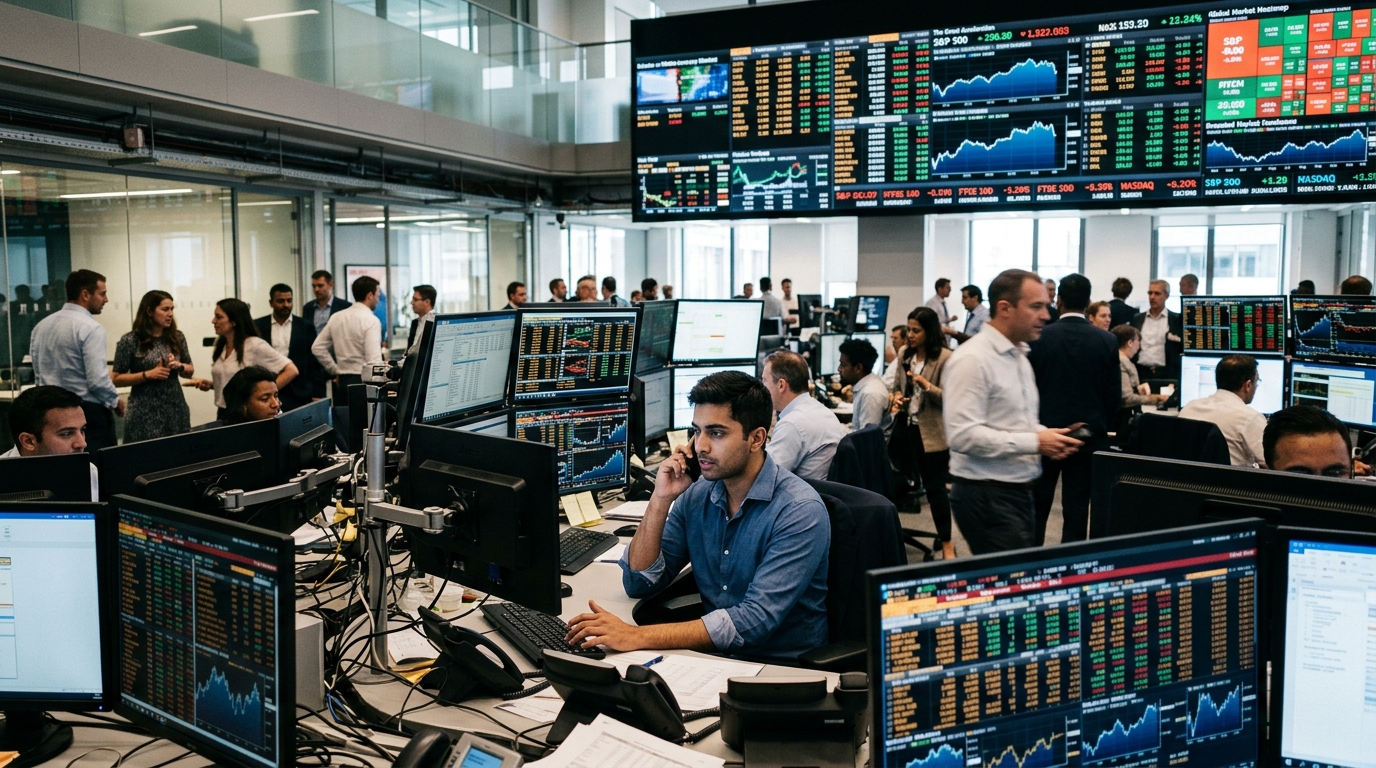
To date, Anthropic has raised billions from strategic partners like Amazon and Google. However, Amodei emphasizes that private venture capital has its limits. When a company's needs scale into the tens of billions annually, the public markets represent the only source of liquidity capable of sustaining such growth. An IPO is no longer just an "exit strategy" for early backers; it is becoming a functional necessity for continued R&D.
- Infrastructure Scaling: The demand for specialized clusters of tens of thousands of GPUs.
- Energy Costs: AI is transitioning into a heavy industry, dependent on massive power grid capacity.
- Talent Competition: AI engineer salaries remain at historic highs, adding to the burn rate.
This shift toward the public eye brings new complications. Publicly traded companies are judged by quarterly earnings and immediate profitability. For labs that burn through billions in the pursuit of future Artificial General Intelligence (AGI), the pressure from shareholders for immediate ROI could potentially clash with long-term safety protocols and research integrity.
The Geopolitical Stakes of Compute
Amodei's analysis goes beyond simple balance sheets. It reflects a new geopolitical reality where compute is the "new oil." The nations and corporations capable of financing these models will dictate the rules of the global economy for decades to come. Anthropic, structured as a Public Benefit Corporation, is attempting to walk a tightrope between this capitalistic necessity and its commitment to societal well-being.
"We are not just building software; we are building the industrial infrastructure of the next cognitive era. The costs involved are historically unprecedented," industry analysts suggest.
In conclusion, Anthropic's admission marks the end of the "romantic" phase of AI startups. Artificial Intelligence is entering its full industrial phase, where victory depends not only on algorithmic brilliance but on the depth of one's coffers and access to global capital markets. The question is no longer *if* leaders like Anthropic or OpenAI will go public, but *when*—and under what governance terms—this historic transition will occur.