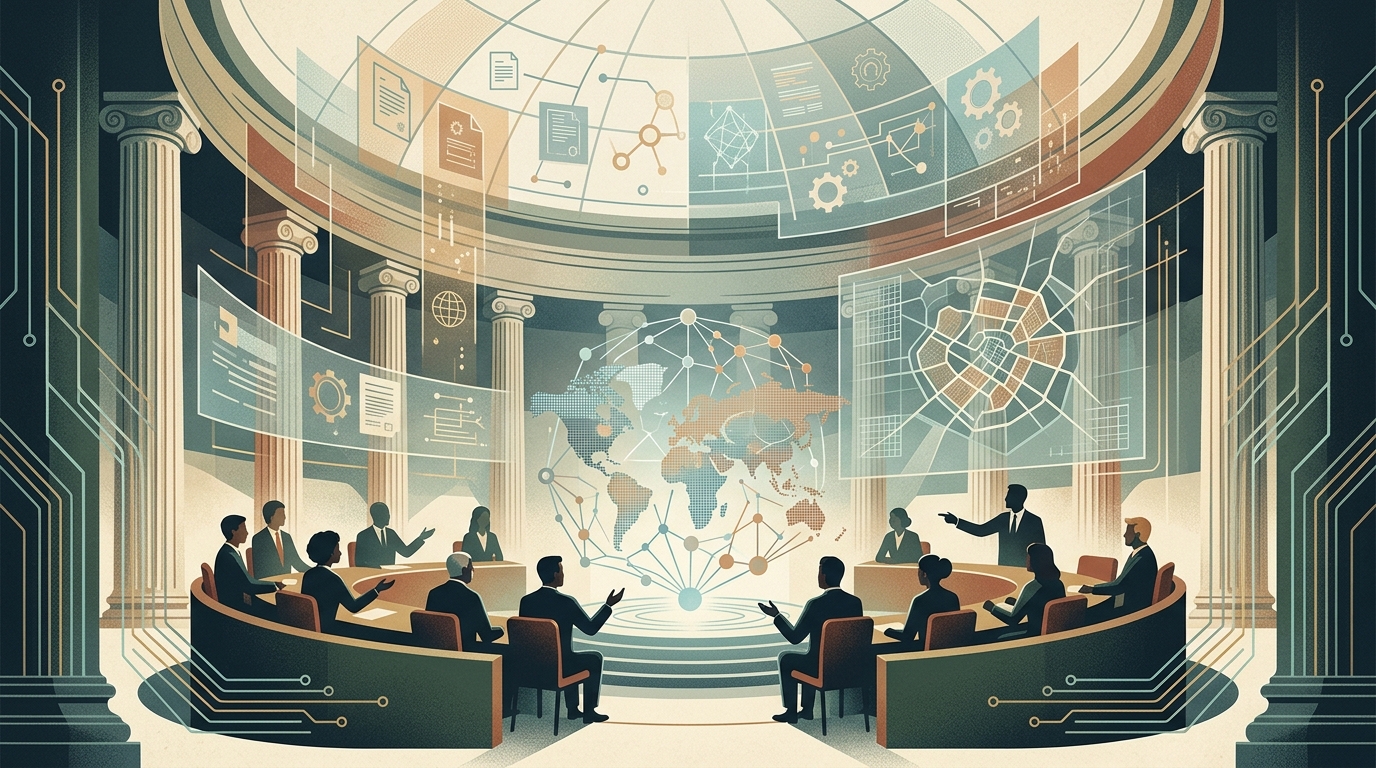
For over a century, the global educational system has operated under the "one-size-fits-all" industrial model—a relic designed to produce uniform skills for a predictable workforce. As we move through 2026, Artificial Intelligence (AI) is shattering this obsolete framework, offering the first real possibility of truly personalized instruction at scale. Recent shifts in educational methodology, highlighted by global trends and reports from emerging markets like Vietnam, underscore that AI is not merely an automation tool but a catalyst redefining the triad of student, teacher, and knowledge.
Adaptive Learning: Every Student's Digital Tutor
At the core of AI’s educational application lies adaptive learning systems. These platforms utilize sophisticated algorithms to analyze a student’s performance, struggle points, and learning pace in real-time. Instead of a student being forced to keep up with the classroom average, AI tailors the curriculum to their specific needs. For instance, if a student falters at quadratic equations, the system won't simply move to the next chapter; it will provide alternative explanations, visual aids, or supplemental exercises until mastery is achieved.
In the context of modern schooling, Large Language Models (LLMs) have evolved into 24/7 digital mentors. They can answer nuanced questions, explain complex historical events through storytelling, or provide immediate feedback on an essay draft. This democratization of high-quality educational support is perhaps the most significant social contribution of AI, potentially reducing the reliance on expensive private tutoring that has historically widened the gap between socio-economic classes.
The Transformation of the Educator's Role
A persistent fear surrounding AI is the potential displacement of human teachers. However, current evidence suggests a profound evolution rather than replacement. AI is effectively stripping away the administrative and repetitive burdens of teaching. Grading assignments, tracking attendance, and preparing standardized materials are now handled by machines. This liberation allows educators to focus on what AI cannot replicate: emotional intelligence, ethical mentorship, critical thinking, and the socialization of students.
"The teacher of the future is not a fountain of information, but an orchestrator of learning and a mentor for personal growth," notes leading EdTech analysts.
In the contemporary classroom, the teacher acts as a facilitator. By leveraging AI-driven analytics, they can immediately identify which students are at risk of falling behind or which possess exceptional talents that require further nourishment. Teaching thus shifts from a generic lecture to a series of targeted, high-impact interventions.
Ethical Minefields and the Digital Divide
Despite the utopian promises, the integration of AI in education is fraught with challenges. Data privacy for minors is the most pressing concern. Who owns a child’s learning data, and how is it utilized by tech conglomerates? There is a legitimate risk of "algorithmic labeling," where a student’s potential is pigeonholed by early-life data points, potentially limiting their future opportunities based on past struggles.
Furthermore, the digital divide remains a significant threat. If access to advanced AI tools is determined by the financial status of a school or a family, technology will exacerbate existing inequalities rather than solve them. It is imperative for national educational policies to ensure equitable access to these infrastructures, ensuring that a student in a remote rural area has the same technological advantages as one in a major metropolitan hub.
- Strict adherence to data protection regulations like the EU AI Act.
- Continuous professional development for teachers to master AI-assisted pedagogy.
- Development of transparent, bias-free algorithms to ensure fair assessment.
- Maintaining human interaction as the cornerstone of the educational experience.
In conclusion, the personalization of teaching via AI is an inevitable and largely beneficial progression. However, its success will not be measured by the sophistication of the software, but by our ability to integrate these tools into a human-centric pedagogical vision that respects and nurtures the uniqueness of every learner.