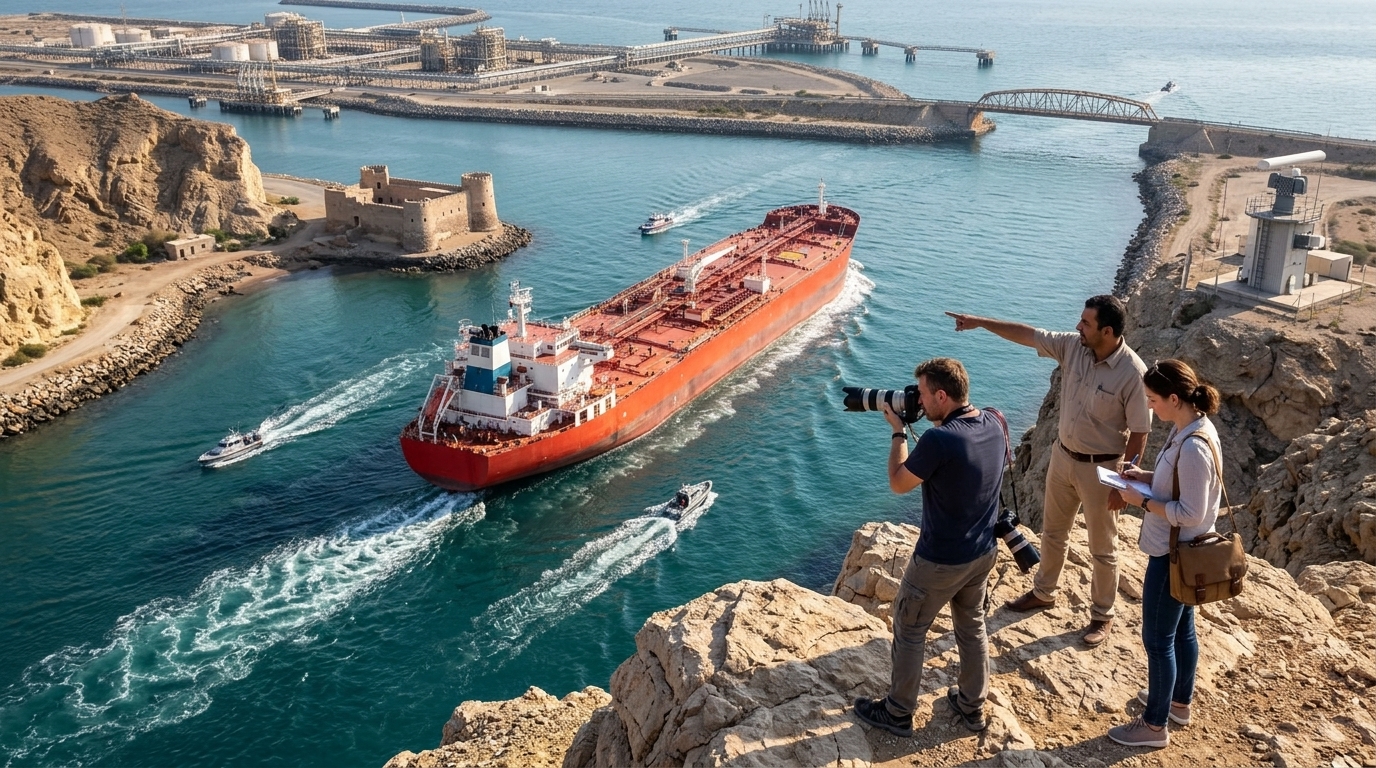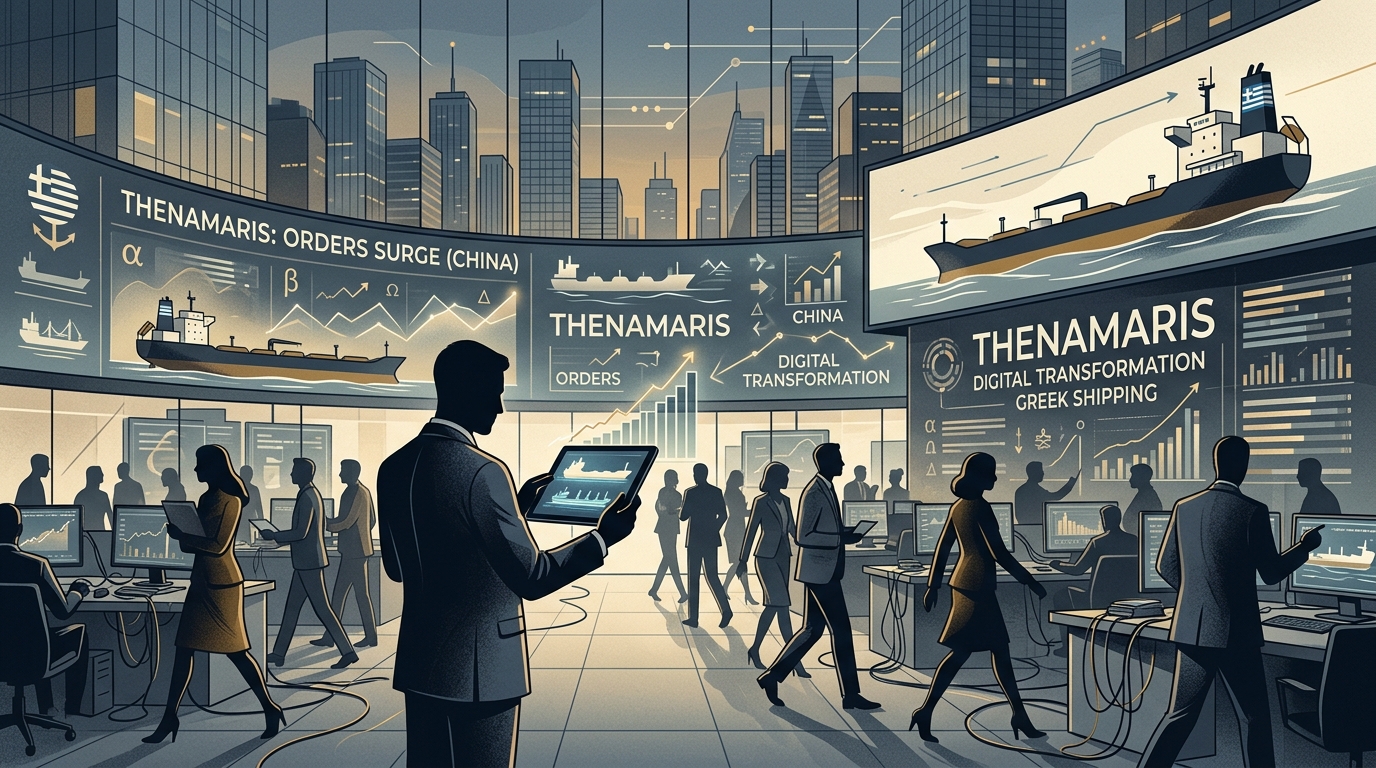
The news that Thenamaris, under the leadership of Nikolas Martinos, is embarking on a new round of orders at Chinese shipyards is not merely a routine business maneuver. In the current geopolitical and technological landscape of 2026, this move reflects a strategic shift in global shipping toward digitalization and decarbonization. Greek shipping, the undisputed leader of the seas, continues to invest billions, choosing China not only for its competitive costs but also for its increasing ability to integrate advanced Artificial Intelligence into new vessel designs.
The Thenamaris Strategy and Fleet Modernization
Thenamaris has traditionally maintained one of the most diversified and modern fleets globally. The new agreement, primarily involving Medium Range (MR) tankers and potentially bulk carriers, comes at a time when the charter market exhibits significant volatility. Nikolas Martinos appears to be betting on the long-term value of "AI-ready" vessels. Modern ships are no longer just transportation assets; they have evolved into floating data centers. By integrating the latest generation of telemetry systems, Thenamaris aims to optimize fuel consumption and reduce its environmental footprint, meeting the stringent regulations of the International Maritime Organization (IMO).
Why China is Winning the Shipyard Battle
For decades, South Korea held the crown for high-tech vessels, such as LNG carriers. However, 2026 sees China having closed the technological gap. Chinese shipyards, including New Times Shipbuilding and CSSC, have invested heavily in automation and robotics. Their ability to deliver ships with "Digital Twins" allows companies like Thenamaris to monitor every operational detail from their headquarters in Athens. The use of AI algorithms for predictive maintenance drastically reduces maintenance costs and downtime, making Chinese orders exceptionally attractive from a financial perspective.
The Challenge of Green Transition and AI
Shipping is under immense pressure to achieve net-zero emissions. The vessels ordered by Thenamaris are expected to be equipped with dual-fuel engines, ready to utilize alternative fuels such as ammonia or methanol. Here, Artificial Intelligence plays a decisive role: managing energy on a ship using multiple fuel sources is incredibly complex. AI algorithms now decide the fuel mix in real-time, considering weather patterns, fuel prices at various ports, and delivery schedules. This "Smart Shipping" is now the only path for survival in global competition.
Geopolitical Implications and the Greek-Chinese Alliance
The preference of Greek shipowners for Chinese shipyards strengthens the ties between the two nations while simultaneously causing concern in Brussels. As the EU attempts to reduce its dependency on China, the backbone of European freight—Greek shipping—becomes increasingly reliant on Chinese industrial output. Thenamaris, as a premier player, demonstrates that business logic often transcends political desires. The security of global trade depends on this fragile balance between Greek maritime expertise and Chinese manufacturing power.
Conclusion: The Future of the Seas
Thenamaris’ move is a vote of confidence in the future of the global economy, despite current headwinds. By integrating AI systems and investing in green technology, Nikolas Martinos ensures his company remains at the forefront. The shipping of tomorrow will not be judged solely by the size of the vessels but by the quality of the data they generate and the intelligence with which that data is managed. Thenamaris seems to have grasped this reality better than most.