The history of technology often follows a predictable curve: a period of explosive excitement, followed by a sharp descent into the "trough of disillusionment." Today, in June 2026, Artificial Intelligence (AI) seems to be entering exactly this phase. What began as a revolution promising to solve every human problem—from climate change to bureaucracy—is now facing a coordinated and multi-layered backlash.
The Economic Deadlock and the Pressure for Results
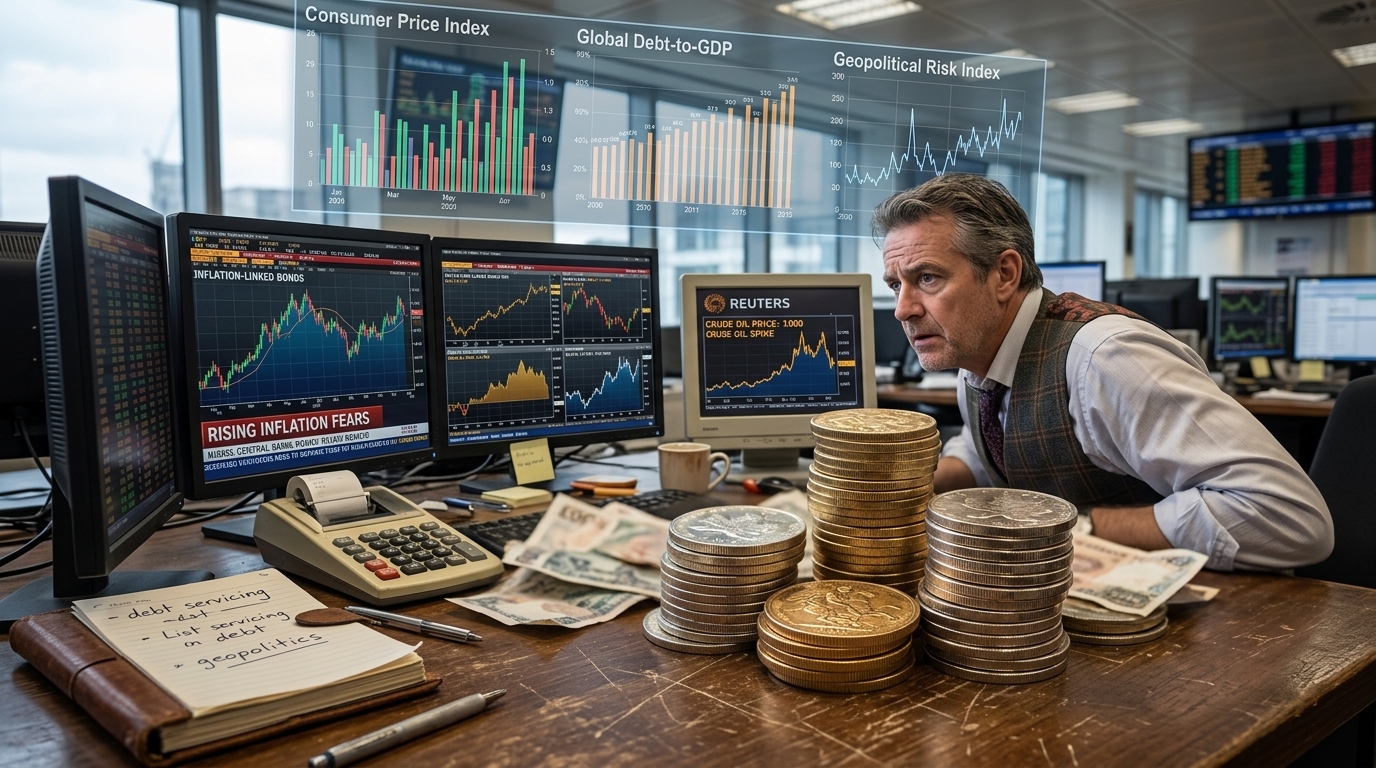
For over three years, markets were fueled by the promise that Generative AI would transform productivity. However, recent reports from Wall Street and leading analysts paint a different picture. The capital expenditures (CAPEX) of tech giants have soared to dizzying heights, with Nvidia and Microsoft investing hundreds of billions in data center infrastructure. Yet, the return on investment (ROI) remains disproportionately small.
Businesses that rushed to integrate AI tools are finding that their operational costs are often higher than the savings they provide. "We are at a point where the technology is impressive, but the business model remains fragile," says a senior financial analyst. Investor fatigue is now visible, as Silicon Valley stocks no longer react with the same euphoria to every announcement of a new large language model.
The Legal Siege: Copyright and Regulatory Scrutiny
Beyond economics, the legal front has become the primary battlefield. Lawsuits from content creators, newspapers, and artists have piled up, challenging the very foundation of AI model training. The use of data without permission is now viewed by many as the "largest theft of intellectual property in history." In the European Union, the full implementation of the AI Act has begun to create friction, as companies are required to prove the transparency of their algorithms under the threat of fines reaching 7% of their global turnover.
"Artificial Intelligence cannot be built upon the ruins of human creativity. Without fair compensation, the backlash will be universal," states a spokesperson for an international creators' union.
Furthermore, concerns over data privacy and cybersecurity have led many governments to restrict the use of public AI tools in sensitive sectors such as defense and healthcare. Trust, the most expensive currency in the digital age, appears to be running low.
Social Resistance and the "Human" Factor
Perhaps the most significant aspect of the backlash is social. Workers in many industries, from coding to advertising, view AI not as an assistant, but as a threat to their professional existence. "Algorithmic fatigue" among consumers is also a new phenomenon. People are beginning to seek authenticity, rejecting content that feels "manufactured" or impersonal. The emergence of movements promoting "Human-Made" content is gaining ground, creating a new market for products and services that guarantee the absence of AI intervention.
In conclusion, the backlash we are witnessing today is not necessarily an attempt to halt progress, but a necessary correction. Artificial Intelligence must prove its value not through impressive demos, but through its sustainable integration into society and the economy, respecting human boundaries and the rule of law.