In the high-stakes political theater of Florida, where technology and power frequently collide, a new internal rift is emerging within the Republican party. Byron Donalds, the congressman widely seen as the front-runner to succeed Ron DeSantis as Governor in 2026, has made a move that sent ripples through Washington and Miami: he has publicly broken with Donald Trump’s stance on Artificial Intelligence (AI) oversight.
A Clash of Visions: Deregulation vs. Guardrails
For months, Donald Trump’s platform has been unequivocal. The former President has repeatedly vowed to repeal President Biden’s landmark Executive Order on AI, labeling it a "bureaucratic nightmare" that stifles innovation and imposes "woke ideology" on algorithmic development. However, Donalds, a politician traditionally viewed as a staunch Trump loyalist, is now pivoting toward a more nuanced, technocratic approach.
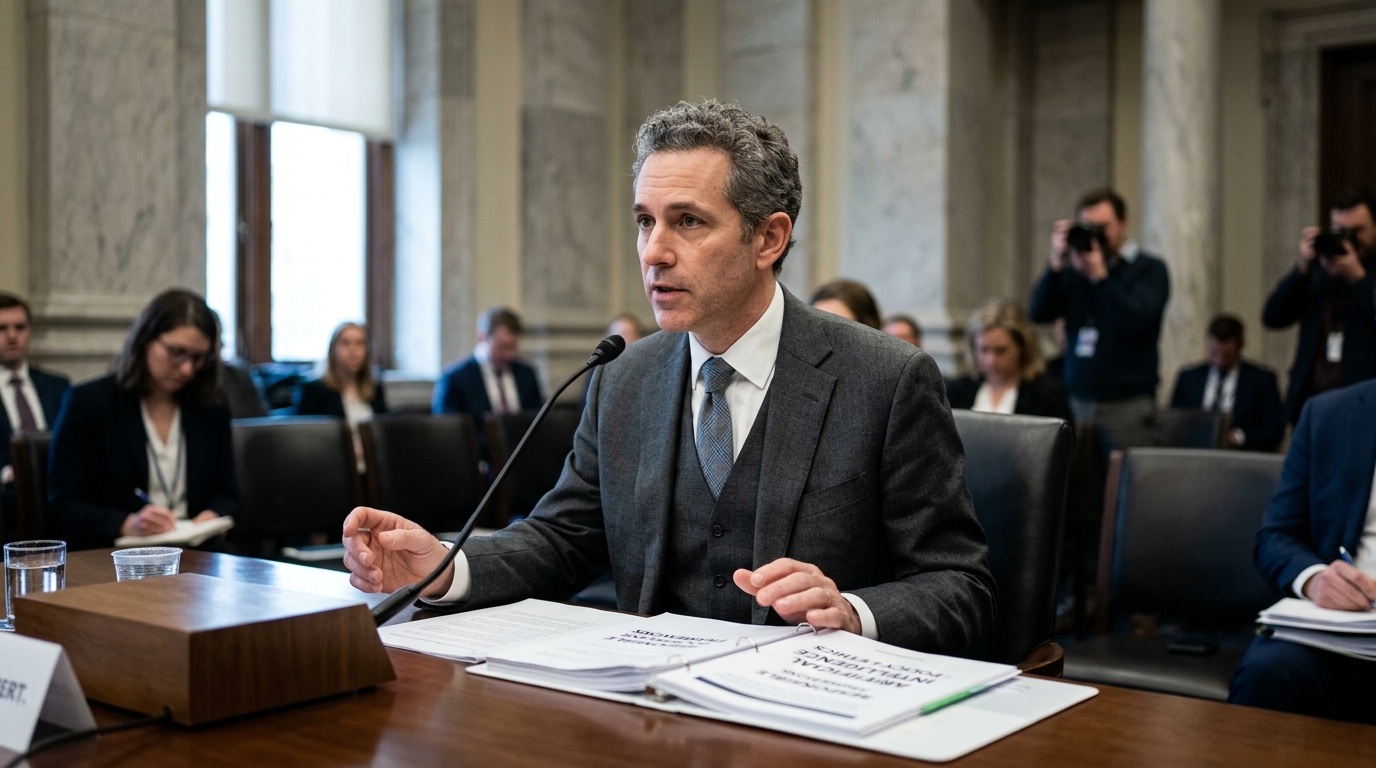
According to recent statements and reports from his inner circle, Donalds argues that a total vacuum of regulation is not only a threat to national security but also harmful to the market itself. "We cannot afford a 'Wild West' scenario when it comes to protecting intellectual property or the integrity of our critical infrastructure," Donalds reportedly told a private gathering of tech donors. This position aligns him with a growing faction of "New School" Republicans who view AI not through the lens of a culture war, but as a strategic asset requiring sophisticated guardrails.
Florida as the Next Tech Frontier
Donalds’ pivot is calculated. Florida has spent the last few years positioning itself as a haven for Silicon Valley refugees and crypto-entrepreneurs. As a gubernatorial candidate, Donalds understands that institutional stability is the ultimate currency for long-term investment. While tech giants often lobby against regulation, they simultaneously crave legal clarity to mitigate future liability and ensure a level playing field.
- Data Sovereignty: Donalds is advocating for frameworks that protect individual data rights during the training of LLMs.
- Deepfake Litigation: He supports federal and state penalties for the malicious use of synthetic media in electoral processes.
- The China Factor: He believes regulation must be "agile"—preventing Beijing from gaining an edge while ensuring American safety standards become the global norm.
"Leadership requires acknowledging that while technology moves faster than law, the law cannot simply abdicate its responsibility to the public," sources close to Donalds suggest.
Political Risk and Future Strategy
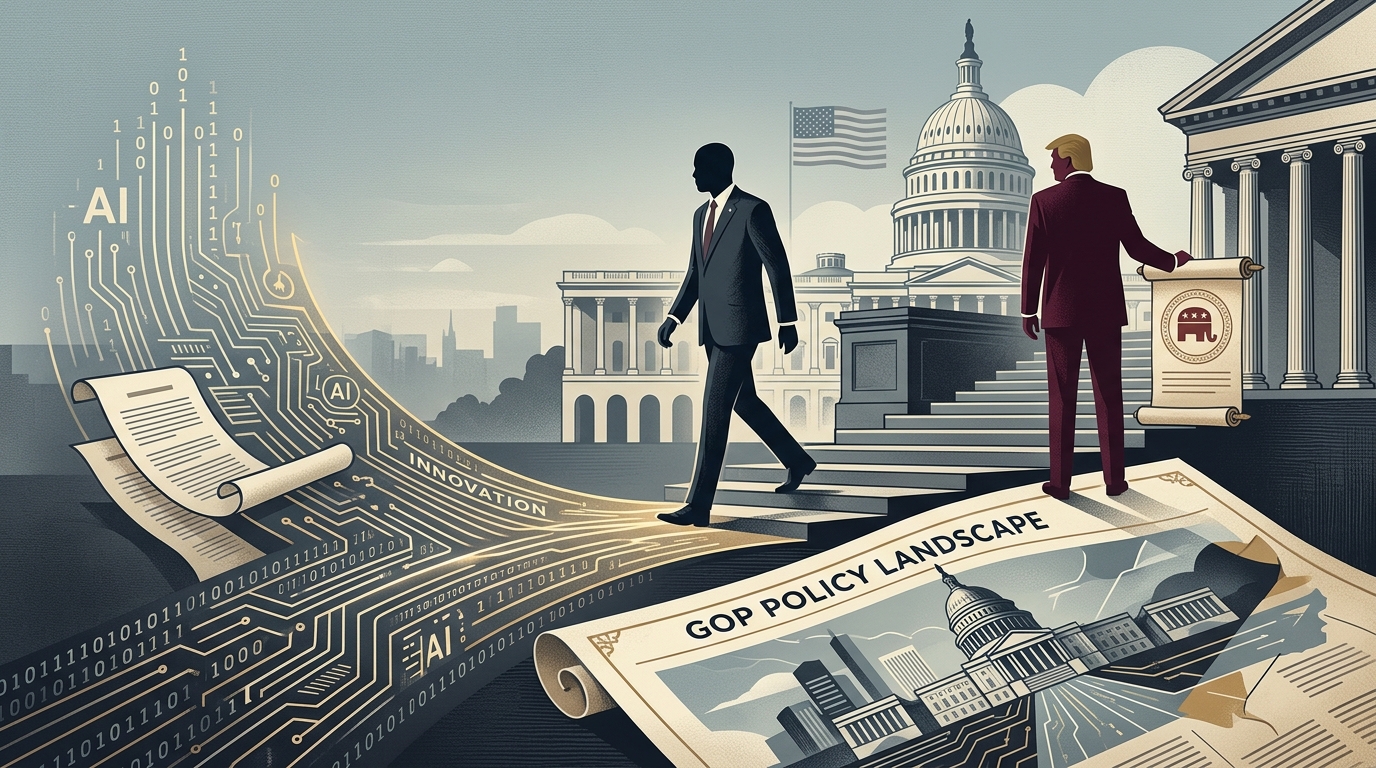
Breaking with Trump is never without risk in the modern GOP. The MAGA base remains deeply skeptical of any federal intervention, often viewing "safety standards" as a backdoor for censorship. Yet, analysts suggest Donalds is betting on a "post-Trump" policy landscape where pragmatism outweighs populism on matters of industrial survival. This friction may be the first sign of a broader ideological realignment as AI shifts from a theoretical threat to a daily economic reality.
Ultimately, Byron Donalds' stance highlights a critical truth: AI governance is too complex for bumper-sticker slogans. As the 2026 race approaches, the ability of leaders to balance market freedom with civil protection will define not only their political trajectories but the very trajectory of American innovation in the 21st century.