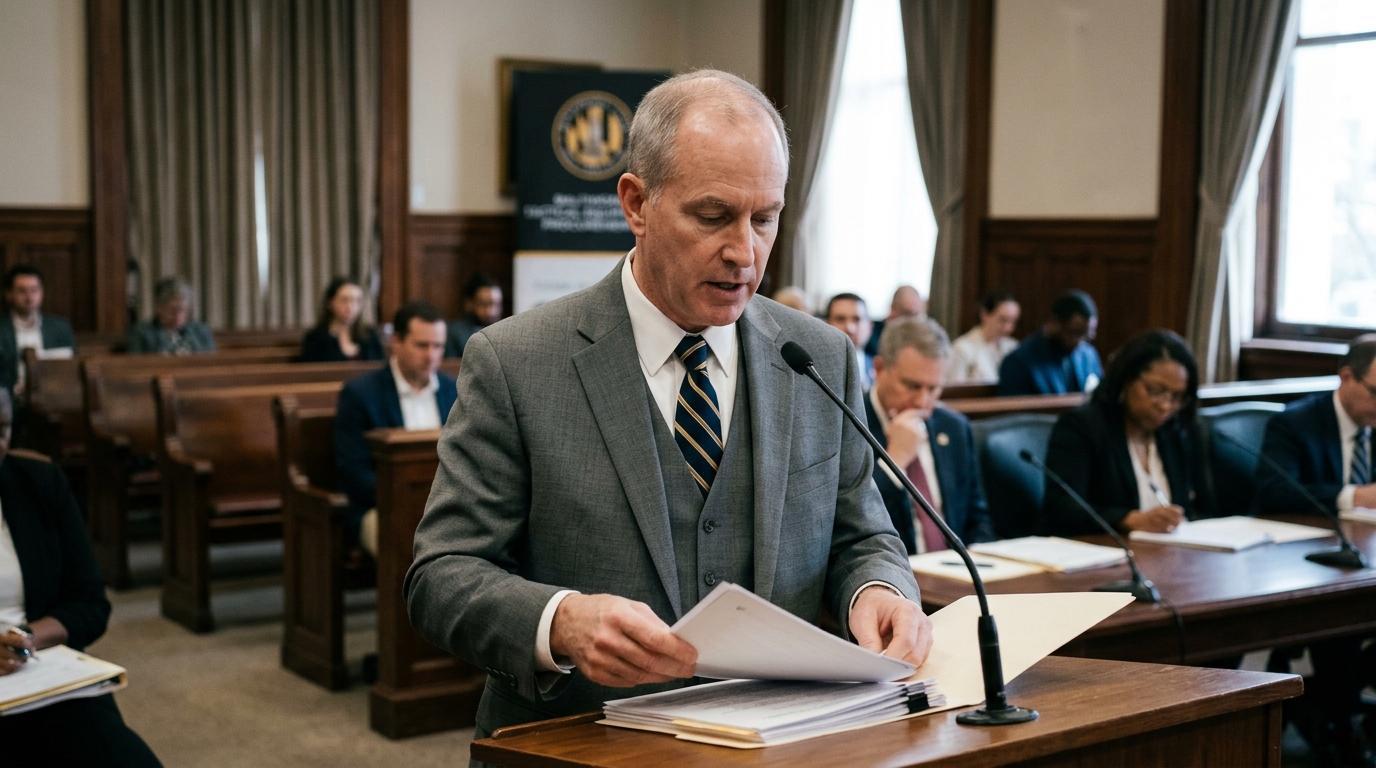
In a move that highlights the growing reliance of modern municipalities on high-tech solutions for law enforcement, the City of Baltimore has approved a massive 10-year, $153.1 million contract with Axon Enterprise. The deal, which covers the procurement of new Taser devices and AI-equipped body-worn cameras, has ignited a fierce debate—not just over the staggering price tag, but over the city's decision to bypass the traditional competitive bidding process in favor of a "no-bid" agreement.
The Axon Hegemony and the Tech Monopoly
Axon, formerly known as TASER International, has successfully positioned itself as the dominant force in the police technology market. In Baltimore, the Police Department (BPD) argued that sticking with Axon was the only pragmatic choice. They cited the benefits of a fully integrated ecosystem where cameras, conducted energy weapons, and cloud-based storage (Evidence.com) function as a single, seamless unit. However, the decision to grant a sole-source contract has raised serious questions about fiscal responsibility and transparency.
Critics argue that such contracts stifle innovation and lead to "vendor lock-in," where a city becomes so dependent on a single company's proprietary software that switching providers becomes prohibitively expensive. For Baltimore—a city still operating under a federal consent decree following years of documented police misconduct—this investment is framed as a necessary tool for accountability. Yet, many wonder if technological fixes can truly address deep-seated systemic and cultural issues within policing.
AI: The New 'Silent' Witness
The most transformative, and perhaps controversial, aspect of the contract is the integration of Artificial Intelligence into the daily routine of patrol officers. These are no longer passive recording devices; they are increasingly sophisticated sensors designed to interpret the world around them. Through AI, the Axon system can automate the tedious process of report writing by transcribing audio in real-time and flagging specific incidents for review.
- Automated transcription and categorization of police-public interactions.
- Signal technology that triggers all nearby cameras to record when a weapon is drawn.
- Advanced AI search capabilities to parse through thousands of hours of footage for specific objects or clothing.
While the BPD maintains that AI will reduce administrative burdens and keep officers on the streets, civil liberties advocates warn of "function creep." They fear that tools currently used for administrative efficiency could easily be pivoted toward real-time facial recognition, gait analysis, or predictive behavioral modeling—often without adequate public oversight or legal frameworks.
The Fiscal and Social Opportunity Cost
Committing $153 million over a decade is a significant policy choice. In a city grappling with underfunded schools, a housing crisis, and aging infrastructure, the scale of this police contract has re-energized the debate over municipal priorities.
"We cannot buy community trust with expensive hardware,"one local advocate noted during the Board of Estimates meeting.
The challenge for Baltimore is twofold: it must modernize a department plagued by past scandals while ensuring that this modernization doesn't evolve into a pervasive surveillance state. As AI becomes standard issue for the "digital constable," the Baltimore-Axon deal serves as a high-stakes case study for the rest of the world. The question remains: is this a path toward true transparency, or simply a more efficient way to manage a status quo of surveillance?