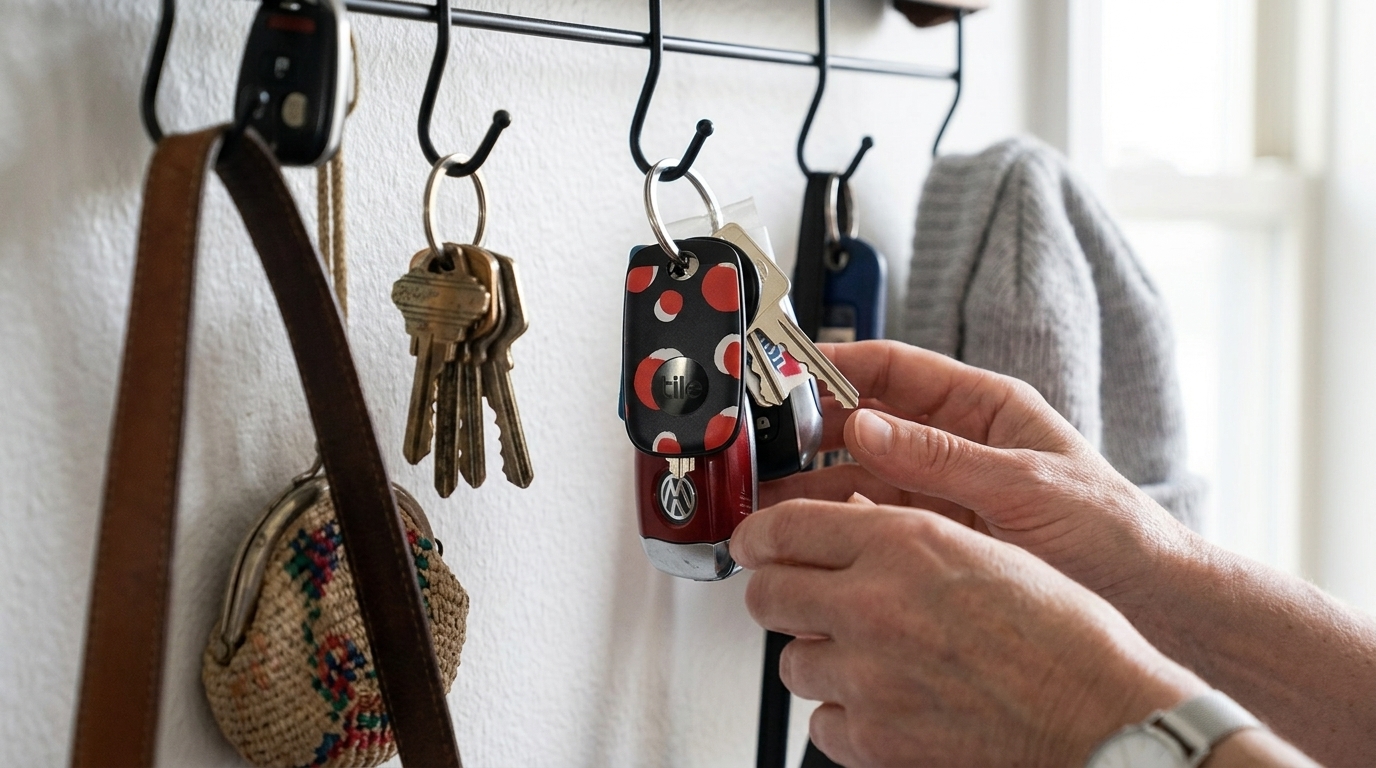
As Mother’s Day 2026 approaches, the consumer electronics market is being flooded with deals aimed at practicality and daily convenience. Perhaps the most notable case this year is the significant price drop for the Tile Pro, the flagship tracking device from Tile (now a subsidiary of Life360). The device, which traditionally retails near $35, is now available for $24.99 via Amazon and the company’s official website. While this may seem like a standard retail promotion, the move reveals deeper trends in the location tracker sector and the battle for dominance within the Internet of Things (IoT) ecosystem.
Technical Superiority and Market Differentiation
The Tile Pro is more than just a basic tracker. In its 2026 iteration, it remains the most powerful device in the company's lineup, boasting a Bluetooth range of up to 400 feet (120 meters). Unlike the Apple AirTag, which relies exclusively on the closed 'Find My' network, the Tile Pro follows a more 'open' philosophy, working seamlessly with both Android and iOS devices. This makes it the ideal solution for households with mixed operating systems—a need often overlooked by the tech giants of Silicon Valley.
One of the strongest advantages of the Tile Pro is its replaceable battery (CR2032), which offers a one-year lifespan. In an era where sustainability and the 'Right to Repair' are becoming central issues in the EU and the US, the user's ability to refresh their device without discarding it is a serious competitive edge. Furthermore, its design featuring a built-in keyhole eliminates the need for additional accessories, a practice that Apple has turned into a highly profitable secondary market.
The Network Clash: Tile vs. AirTag vs. Google
The real battle, however, is not fought over technical specs but over network density. Apple’s AirTag leverages hundreds of millions of iPhones globally to locate lost items with centimeter-level precision. Google, for its part, has fully activated its own 'Find My Device' network for Android, creating a similar infrastructure. Tile, relying on the Life360 network, attempts to compete with these titans through partnerships and a massive user base focused on family safety.
The $25 price point is a strategic move to turn the Tile Pro into an impulse buy. In the current economic climate, where inflation has squeezed discretionary spending on tech, the $25 psychological threshold acts as a magnet. Tile knows that if it can get its device onto a user’s keychain, it is much more likely to funnel them into its subscription services, such as Tile Premium, which offers 'Smart Alert' separation notifications and item reimbursement guarantees.
Privacy and Security: The New 2026 Standard
We cannot discuss trackers in 2026 without addressing security. After years of concerns regarding the malicious use of these devices for stalking, the industry has finally adopted common standards. The Tile Pro incorporates the 'Scan and Secure' feature, allowing anyone to check for unknown trackers nearby. Tile’s collaboration with Google and Apple to send alerts to all smartphones, regardless of brand, when a 'foreign' tracker is detected moving with the user, has mitigated much of the backlash from privacy advocacy groups.
However, the challenge remains: how does one balance the need to find keys with the risk of constant geographical logging? Life360 has committed to stricter data management protocols following past criticism regarding the sale of location data to third parties. For the average consumer, the Tile Pro at $25 represents the peak of a technology that has now become a commodity—a common item that is as essential as it is controversial.
Conclusion: Is It Worth the Investment?
For those seeking a gift that combines utility with affordability, the current deal is undoubtedly attractive. The Tile Pro remains the 'king' of durability and volume (its ringtone is significantly louder than its competitors). While Apple and Google offer deeper integration into their respective operating systems, Tile offers freedom of choice. In a world increasingly divided into software 'camps,' Tile’s insistence on platform neutrality is a refreshing, albeit difficult, stance to maintain.